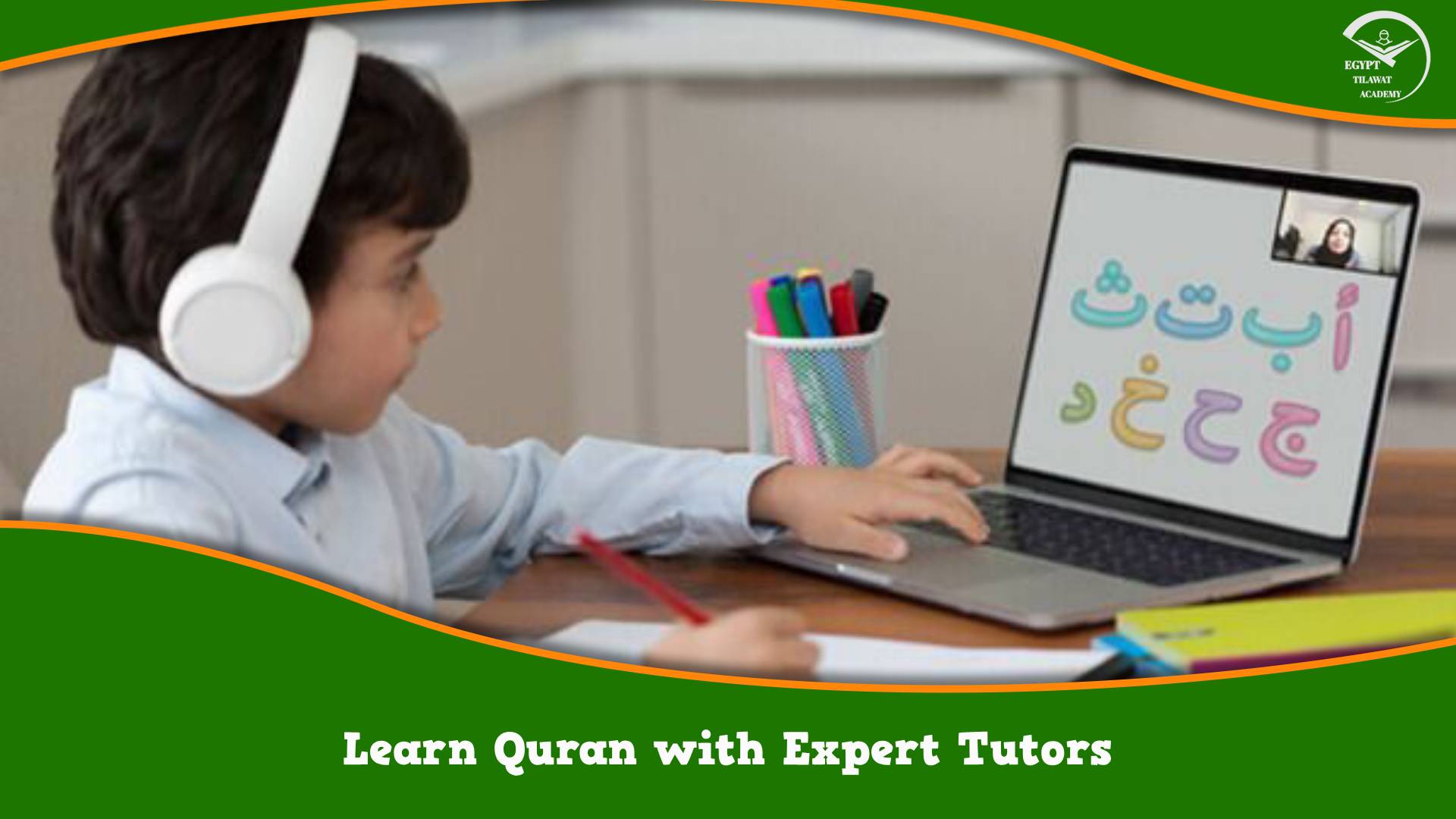
Arabic Alphabet for Kids
Learn the Arabic alphabet for kids with fun games, videos, and printable worksheets and easy step-by-step Arabic letters learning for children.
Learning a new language is one of the greatest gifts we can give to
children, and starting with the Arabic alphabet for kids opens the door to
understanding Arabic, the Quran, and a rich cultural heritage.
While Arabic may look unfamiliar at first, children can learn the Arabic
alphabet easily when it is introduced step by step in a fun, engaging, and
interactive way.
Many parents choose trusted educational platforms like the Leading platform
Egypt Tilawat Academy to help their children learn Arabic letters correctly,
confidently, and joyfully.
With the right teaching approach, colorful worksheets, interactive games,
videos, and regular practice, kids can master the Arabic alphabet faster than
you might expect.
This complete guide will walk you through everything you need to know about
teaching the Arabic alphabet for kids, from pronunciation and worksheets to
games, songs, and the best age to start.
What Is the Arabic Alphabet for Kids?
The Arabic alphabet for kids involves
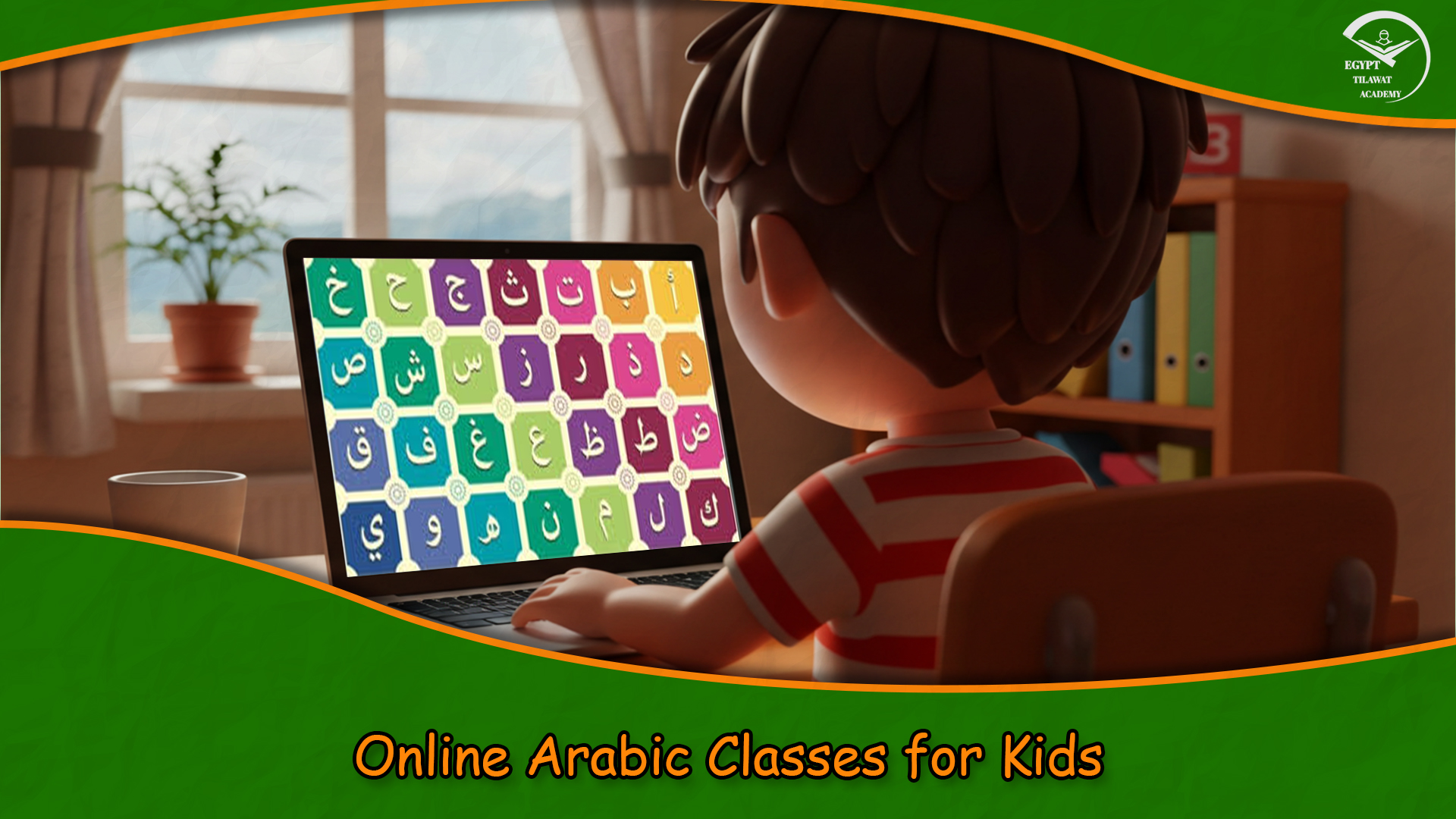
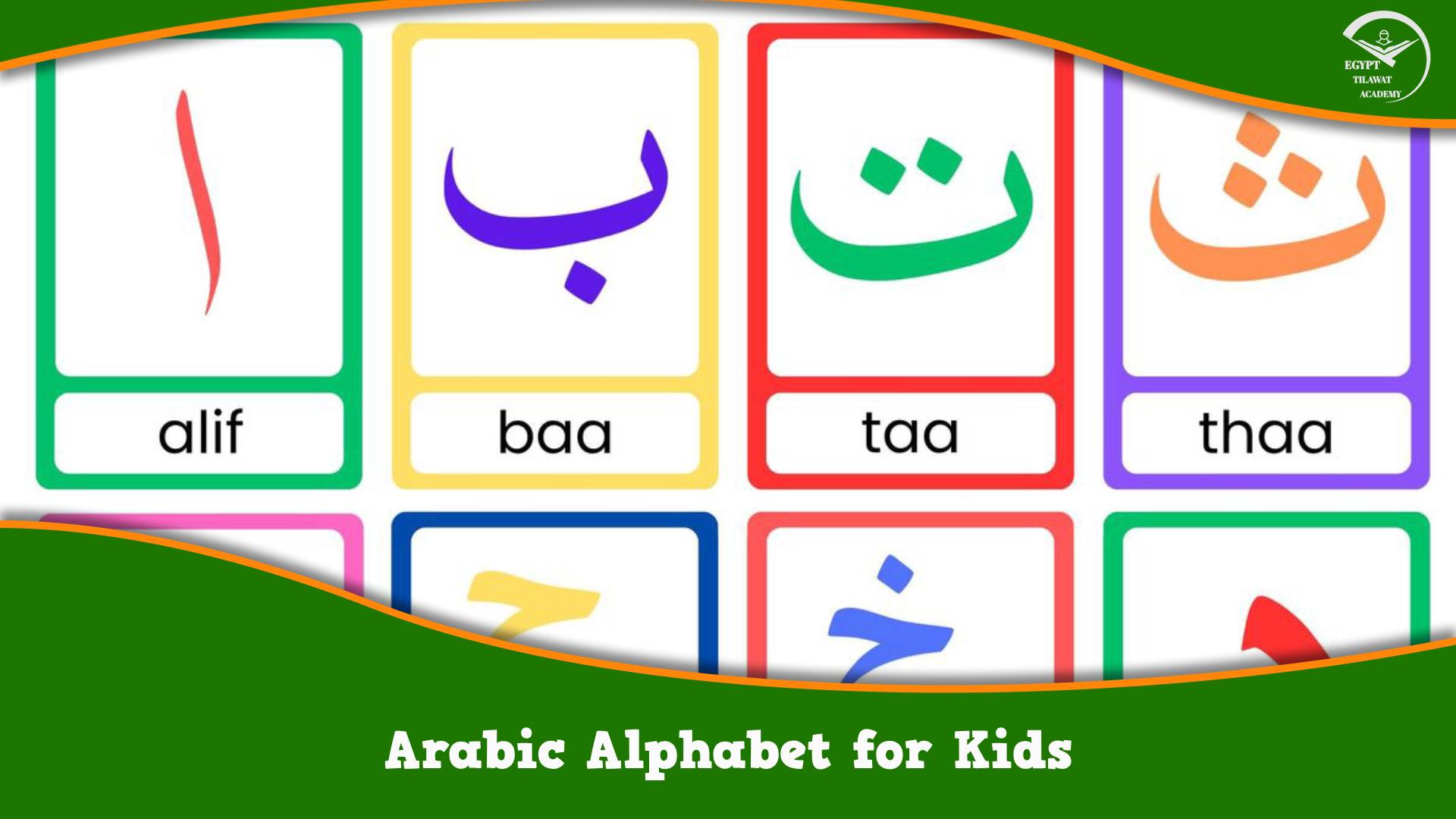
learning the 28 letters (like Alif, Baa, Taa, Jeem) with their names, sounds,
and visual shapes (isolated, initial, middle, final forms) from right to left.
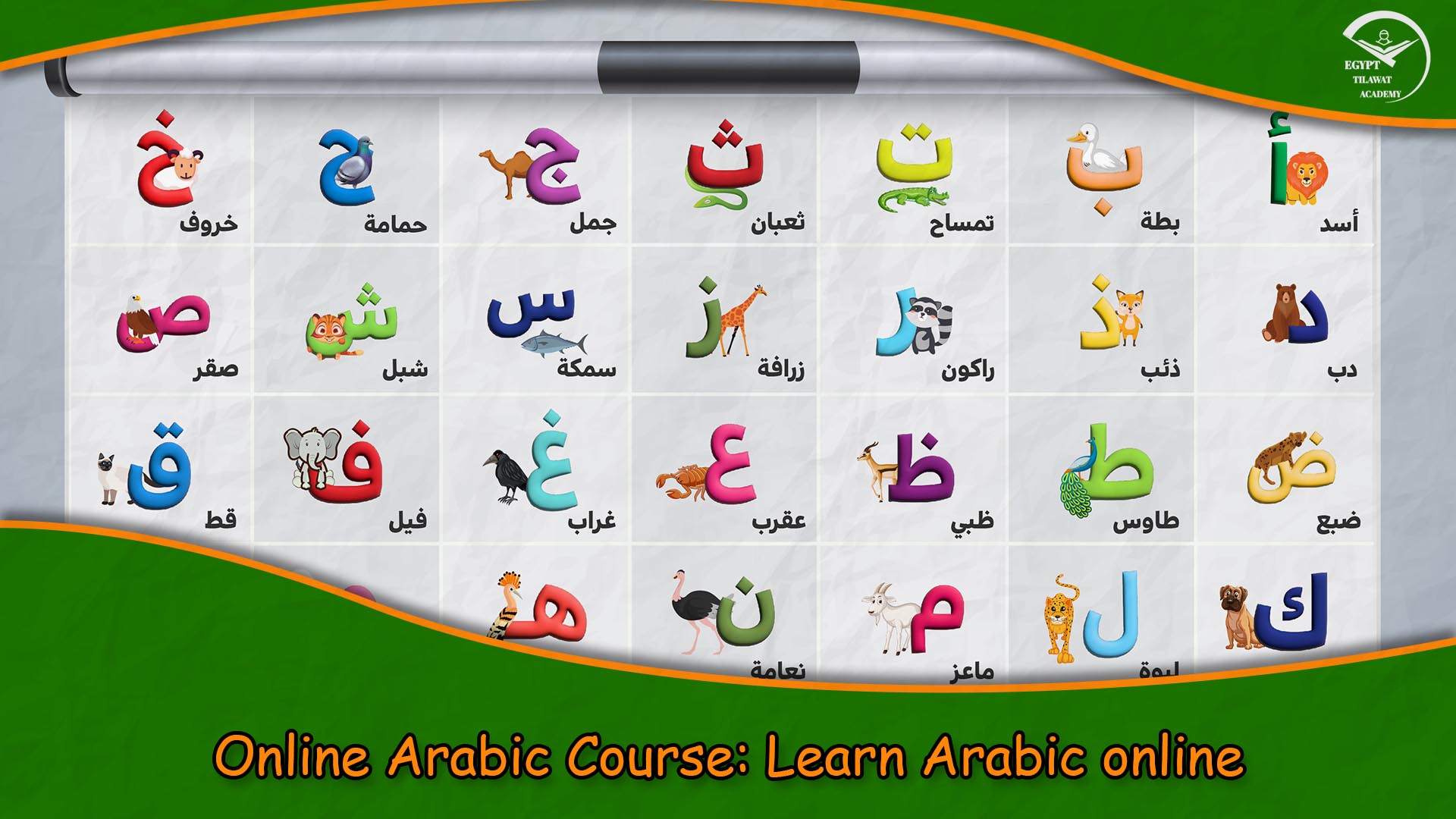
Using colorful charts, songs, and animal
examples (e.g., 'Asad' for Lion) to make learning fun and memorable, focusing
on pronunciation with throat and lip sounds.
The Arabic alphabet for kids is a simplified
and child-friendly introduction to the Arabic writing system. Which consists of
28 Arabic letters, each with a unique shape and sound.
Unlike the English alphabet, Arabic letters
change their shape depending on whether they appear at the beginning, middle,
or end of a word. However, children do not need to learn everything at once.
Arabic alphabet for kids learning means:
- Recognizing Arabic letters visually
- Learning letter sounds clearly
- Connecting letters with pictures and words
- Practicing writing through simple worksheets
The goal is not perfection at the start but familiarity and confidence.
When children are introduced to Arabic
letters using fun examples, stories, and visuals, the learning process becomes
natural and enjoyable.
Programs offered by the Leading platform,
Egypt Tilawat Academy, focus on introducing the alphabet gradually, helping
children feel excited rather than overwhelmed.
Why Learning the Arabic Alphabet Is Easy and Fun for Kids
Learning the Arabic alphabet for kids is fun because
Egypt Tilawat Academy uses engaging visual tools.
Like colorful flashcards and animations,
incorporates music for easy memorization, leveraging the brain's natural
ability to absorb languages early on.
Also, introduces unique features like
right-to-left writing and phonetic consistency, making it a stimulating and
accessible journey through hands-on activities, storytelling, and games.
Learning the Arabic alphabet for kids is presented
as an enjoyable and rewarding experience for children, moving beyond
traditional rote memorization.
It's crucial for establishing a foundation
for reading and reinforcing cultural and religious identity.
Introducing Arabic early on is key for children aiming to become bilingual.
Many parents worry that Arabic is difficult
for children.
In reality, kids learn languages faster than
adults, especially when learning is playful and interactive.
Here’s why learning the Arabic alphabet for
kids is easy and fun:
Children love repetition, and Arabic letter
sounds are consistent.
Each letter has a clear sound, which helps
kids remember it easily.
When learning is supported with videos,
songs, games, and printable worksheets, children stay engaged longer.
Another reason is curiosity.
Kids enjoy learning new symbols and sounds.
Arabic letters look artistic and unique,
which sparks interest and imagination.
With the right teacher or platform, children
feel proud every time they recognize a new letter.
The Leading platform, Egypt Tilawat Academy,
uses child-friendly methods that combine visual learning, listening, and
hands-on practice, making Arabic learning a joyful experience.
Step-by-Step Guide to Teaching Arabic Alphabet for kids A to Z.
Teaching the Arabic alphabet to kids involves
a structured approach.
The process typically begins with teaching
the names of each letter, followed by their individual forms.
Subsequently, short vowels, known as Harakat,
are introduced to help with pronunciation.
Practice is essential throughout, including
writing the letter shapes and learning how to connect them to form words.
Resources like beginner's guides with sound
are available to aid in learning to read, write, and pronounce Arabic
effectively.
Teaching the Arabic alphabet for kids A to Z
works best when done step by step.
Rushing the process can confuse children,
while a gradual approach builds confidence.
Start by introducing 2–3 Arabic letters at a
time.
Show each letter clearly, say its sound, and
connect it with a familiar object or picture.
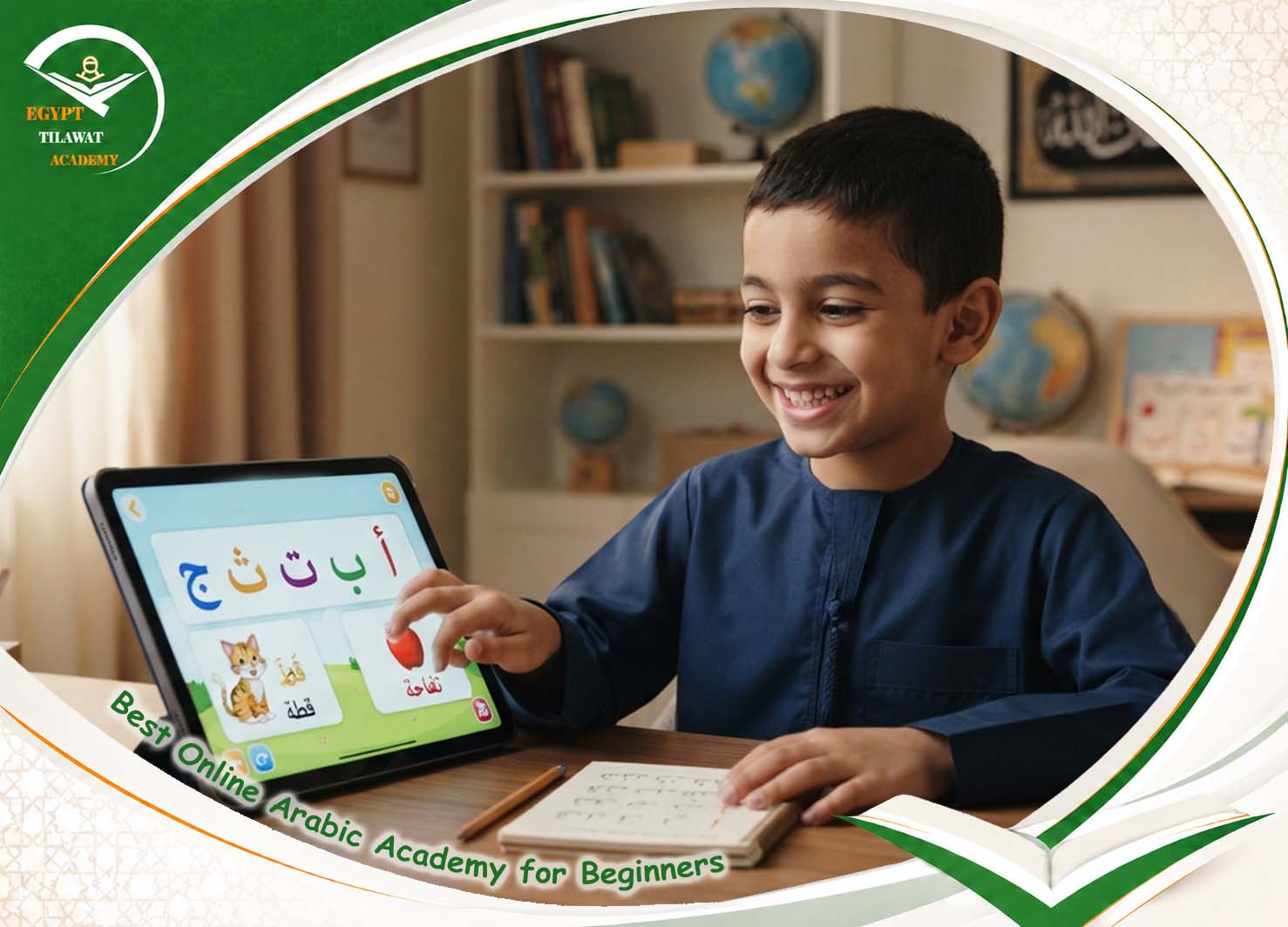
For example, “Alif” with “Asad” (lion).
Repetition is key.
Next, allow children to trace and write
letters using alphabet worksheets.
Printable worksheets help kids practice
letter shapes while improving motor skills.
Always encourage them and celebrate small
achievements.
After that, let kids hear the letters in
short words and sounds through videos and interactive lessons.
Listening helps children understand
pronunciation naturally.
Finally, revise regularly.
Go back to previous letters using games and
practice sessions.
Platforms like Egypt Tilawat Academy provide structured lessons that help kids move from one level to the next smoothly.
Arabic Alphabet Pronunciation for Kids Made Simple.
Teaching kids Arabic pronunciation involves
using simple English equivalents.
Visual aids, songs, video, and focusing on
unique sounds.
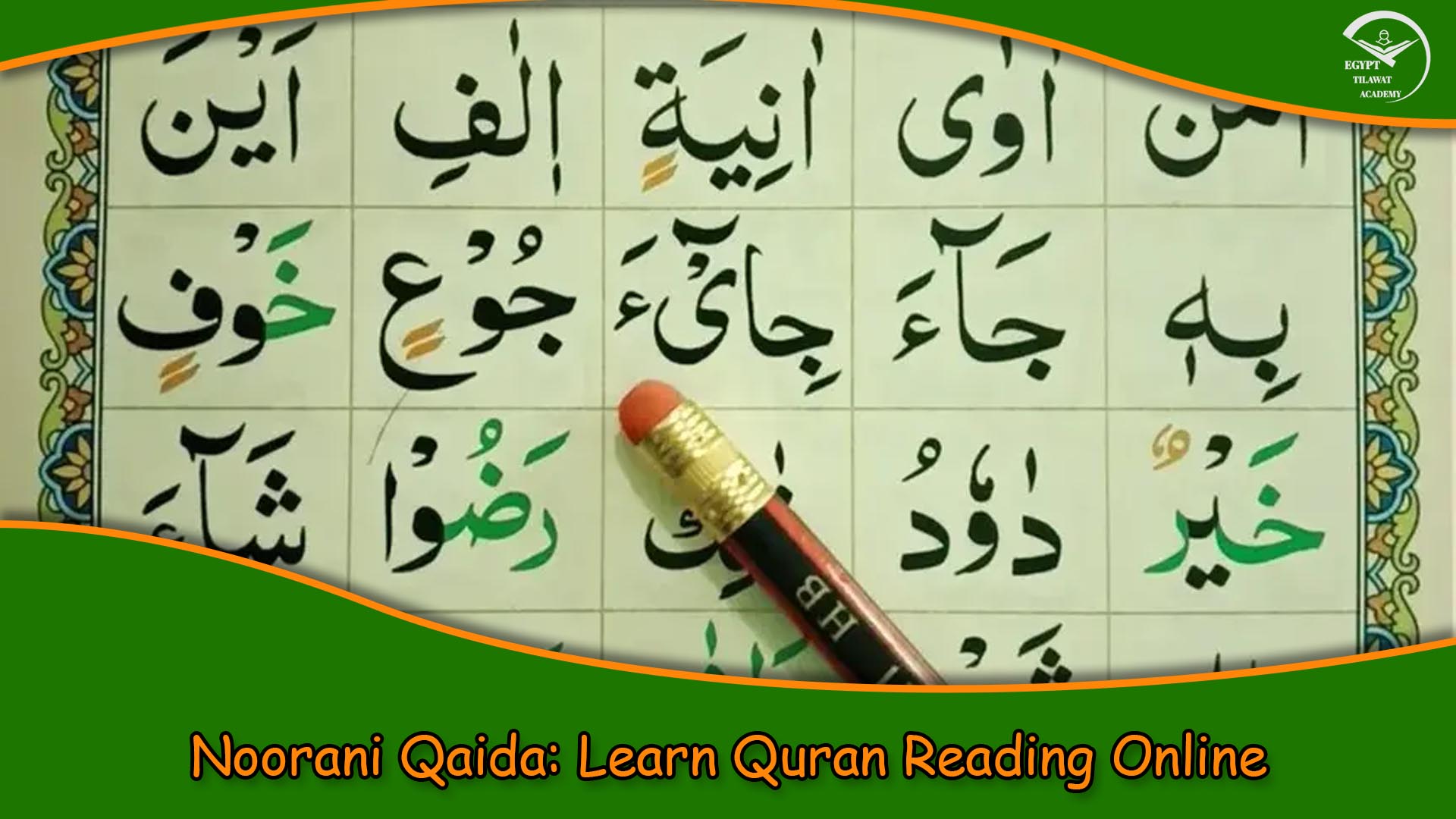
Like throat letters (ع, ح) and emphatic sounds (ص, ض, ط, ظ)
with relatable examples (Alif as 'A' in apple, Baa as 'B' in bat, Jeem as 'J'
in jam).
While also introducing the right-to-left flow
and connecting letters through engaging, often video-based, lessons.
Correct pronunciation is an important part of
learning the Arabic alphabet for kids.
Some Arabic sounds do not exist in English,
but children can learn them easily when taught properly from the beginning.
The best way to teach pronunciation is
through listening and repetition.
Kids should hear each letter clearly from a
teacher or video before trying to say it themselves.
Short daily listening sessions work better
than long lessons.
Using visual cues, mouth movements, and fun
sound games also helps.
For example, exaggerated pronunciation makes
it easier for children to copy the sound accurately.
The Leading platform, Egypt Tilawat Academy,
focuses strongly on correct Arabic sounds, helping kids develop clear
pronunciation that supports Quran reading later.
Arabic Alphabet for Kids with English.
Using fun visuals, flashcards, and example
words like 'Alif (ا) for Asad (lion)' or
'Baa (ب) for Bab (door)', focusing on letter
shapes, pronunciation (throat vs. lip sounds).
And grouping similar letters like 'ba, ta,
tha' (ب, ت, ث) to build recognition
and basic vocabulary.
Learning the Arabic alphabet for kids with
English can be approached through various methods, including songs and
structured guides that pair Arabic letters with simple English words.
Resources focus on a systematic introduction
from Alif to Ya, emphasizing pronunciation and the basics of Arabic script.
Visual and auditory aids, like alphabet
songs, are particularly effective for young learners.
These approaches aim to make the learning process engaging and accessible for children who are new to the Arabic language.
Learning the Arabic alphabet for kids with English support is especially helpful to Learn Arabic Alphabet for Beginners.
English explanations help children understand letter sounds and meanings while building confidence.
For example, showing Arabic letters alongside
English transliteration makes learning smoother.
Kids can connect new Arabic sounds with
familiar English letters while gradually transitioning to full Arabic reading.
This bilingual approach helps parents who do
not speak Arabic assist their children at home.
Worksheets, videos, and lessons that include
English guidance make learning accessible and stress-free.
Many parents choose platforms like Egypt
Tilawat Academy because they provide Arabic lessons online designed
specifically for non-Arabic-speaking children.
Fun Activities to Help Kids Learn Arabic Letters Faster
To help children learn Arabic letters faster,
engaging and creative activities are key.
Molding letters with playdough, dabbing them
with dot markers, or even baking alphabet cookies can make learning a tactile
and enjoyable experience.
learn the alphabet in Arabic for kids with
flashcards, especially for arranging letters in order, is another effective
method.
Games, such as 'find the match' for Arabic
alphabet letters, can also significantly boost engagement and retention.
These varied approaches cater to different
learning styles and make the process of acquiring Arabic literacy more dynamic
and memorable.
Children learn best through fun and play.
Adding activities to lessons helps kids remember
Arabic letters faster and enjoy the learning process.
Simple activities include:
- Matching letters with pictures
- Coloring Arabic letters
- Singing letter songs
- Tracing letters with fingers or crayons.
Interactive activities keep children engaged and motivated.
When learning feels like a game, kids
naturally want to practice more.
Online platforms that offer interactive
videos and games make Arabic learning exciting.
The Leading platform, Egypt Tilawat Academy,
combines structured lessons with fun activities to maintain children’s
interest.
Arabic Alphabet for Kids Worksheet.
Several resources offer Arabic alphabet
worksheets for children, with platforms like Egypt Tilawat Academy featuring a
variety of options.
Some sites, like Egypt Tilawat Academy,
provide free printable worksheets for individual letters, such as 'Yaa,' 'Waw,'
and 'Ha.'
Other resources may offer more comprehensive
sets, like a 15-page Arabic letters game or a 5-page Arabic letter worksheet
collection, though these might require membership or login to access.
Arabic alphabet worksheets are essential
tools for learning and practice.
Worksheets help children recognize letter
shapes, practice writing, and reinforce memory.
Good worksheets are:
- Clear and colorful
- Age-appropriate
- Easy to print and download
- Designed for step-by-step learning.
Printable worksheets allow kids to practice offline, which is especially useful for daily revision.
Parents can download worksheets and guide
children at home, reinforcing what they learn online.
Many parents prefer platforms like Egypt
Tilawat Academy because they offer printable alphabet worksheets designed
specifically for kids.
Best Age for Kids to Start Learning the Arabic Alphabet
The best age to start teaching the Arabic
alphabet is often cited as 3 to 6 years old.
A prime window for language acquisition when
kids' brains are highly receptive.
But learning can begin as early as the
toddler years (0-3) through immersion or formally around 4-5 with play-based
methods.
While the younger years are ideal for sound
and exposure, primary school age (6+) is also excellent for grasping grammar
and reading/writing skills through structured lessons.
The best age for kids to start learning the
Arabic alphabet is between 3 and 6 years old.
At this age, children are curious, absorb
sounds easily, and enjoy learning through play.
However, it is never too late to start.
Older children can also learn Arabic letters
successfully with the right teaching method.
The key is readiness.
If a child shows interest in letters, sounds,
or languages, it is a good time to introduce Arabic in a gentle and fun way.
Arabic Alphabet Games and Songs for Kids
Games and songs are powerful tools for
teaching the Arabic alphabet to kids.
Music helps children remember sounds, while
games reinforce learning through repetition.
Popular activities include:
- Alphabet matching games
- Letter sound games
- Arabic alphabet songs
- Interactive online games
Songs make learning joyful, and kids often repeat them on their own.
Games encourage healthy competition and
practice without pressure.
Platforms like the Leading platform Egypt
Tilawat Academy use games and songs as part of their teaching strategy, helping
kids learn faster while having fun.
in conclusion: Make Arabic Alphabet for kids Learning a Joyful Journey.
Teaching the Arabic alphabet for kids does
not have to be difficult.
With the right approach, children can learn
Arabic letters easily, confidently, and happily.
Using fun activities, engaging videos,
printable worksheets, and interactive lessons makes a huge difference.
Trusted educational programs like the Leading
platform Egypt Tilawat Academy provide structured, child-friendly Arabic
learning that supports children every step of the way.
By starting early, practicing regularly, and
keeping lessons fun, you give your child a strong foundation in Arabic that
will benefit them for life.
Start today, make learning enjoyable, and watch your child grow with confidence in the Arabic language.