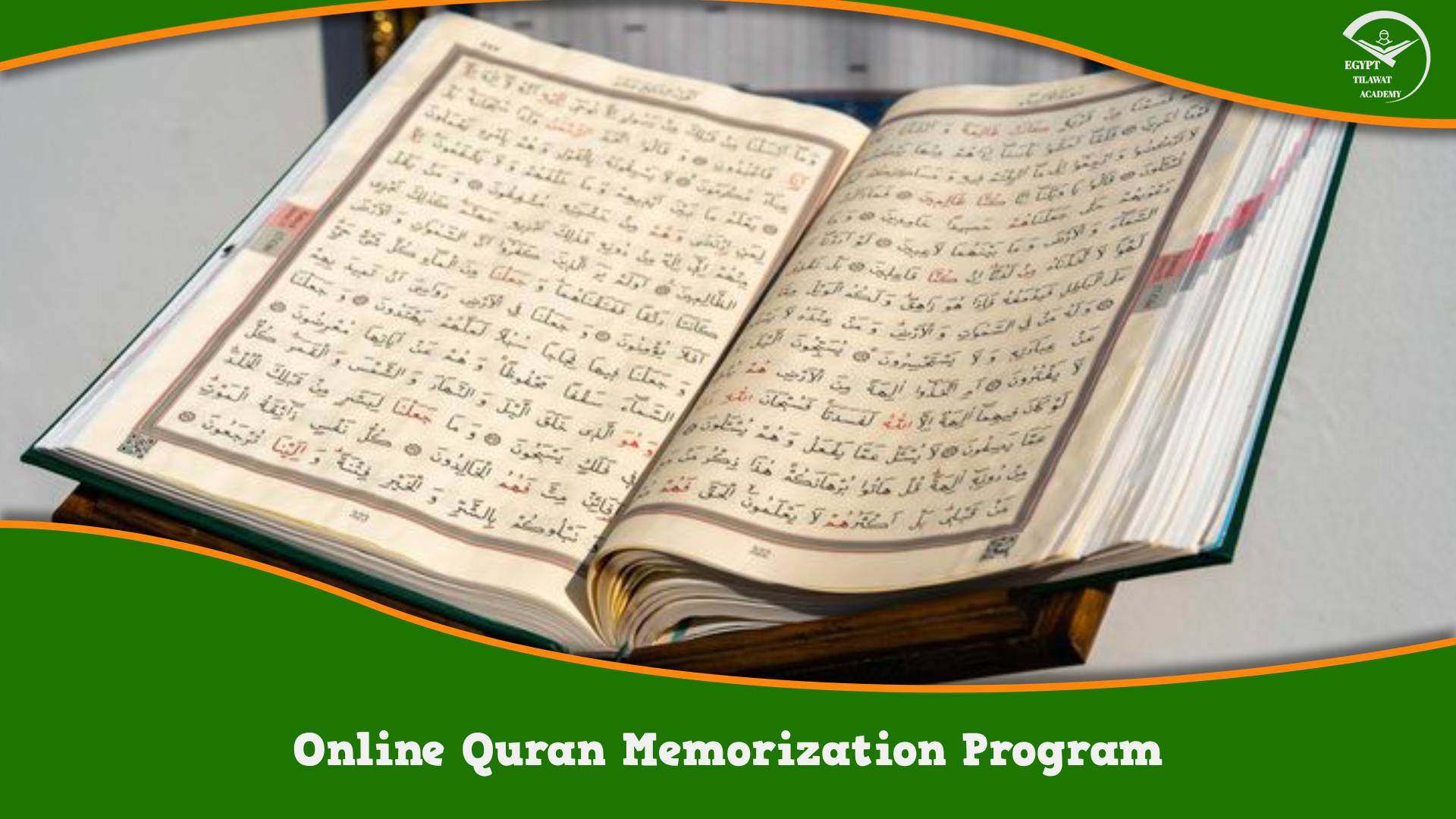
How To Learn Quran With Tajweed
Tajweed is the set of rules that governs how the Quran should be pronounced, and for many new learners it feels like the hardest part of the whole journey. The good news is that Tajweed is not a mystery reserved for scholars. It is a skill, and like any skill it can be broken down into small habits that build on each other week after week, until correct recitation starts to feel automatic rather than forced.
What Tajweed Actually Means
At its core, Tajweed means giving every letter its correct place of articulation (makhraj) and its correct characteristics (sifaat). Arabic letters that look similar on paper can sound completely different when pronounced correctly, and a small mistake in pronunciation can change the meaning of a word entirely. This is why Tajweed is not treated as an optional extra in Quran education, it is treated as part of reciting the Quran properly, in the same way pronunciation matters when learning any language with precision.
Many beginners assume Tajweed is only about following a long list of technical rules, but in practice it starts with listening. Before a student can apply a rule correctly, they need to have heard it applied correctly many times by someone who already recites well. This is why the earliest stage of learning is less about memorizing terminology and more about training the ear.
Start With the Letters, Not the Rules
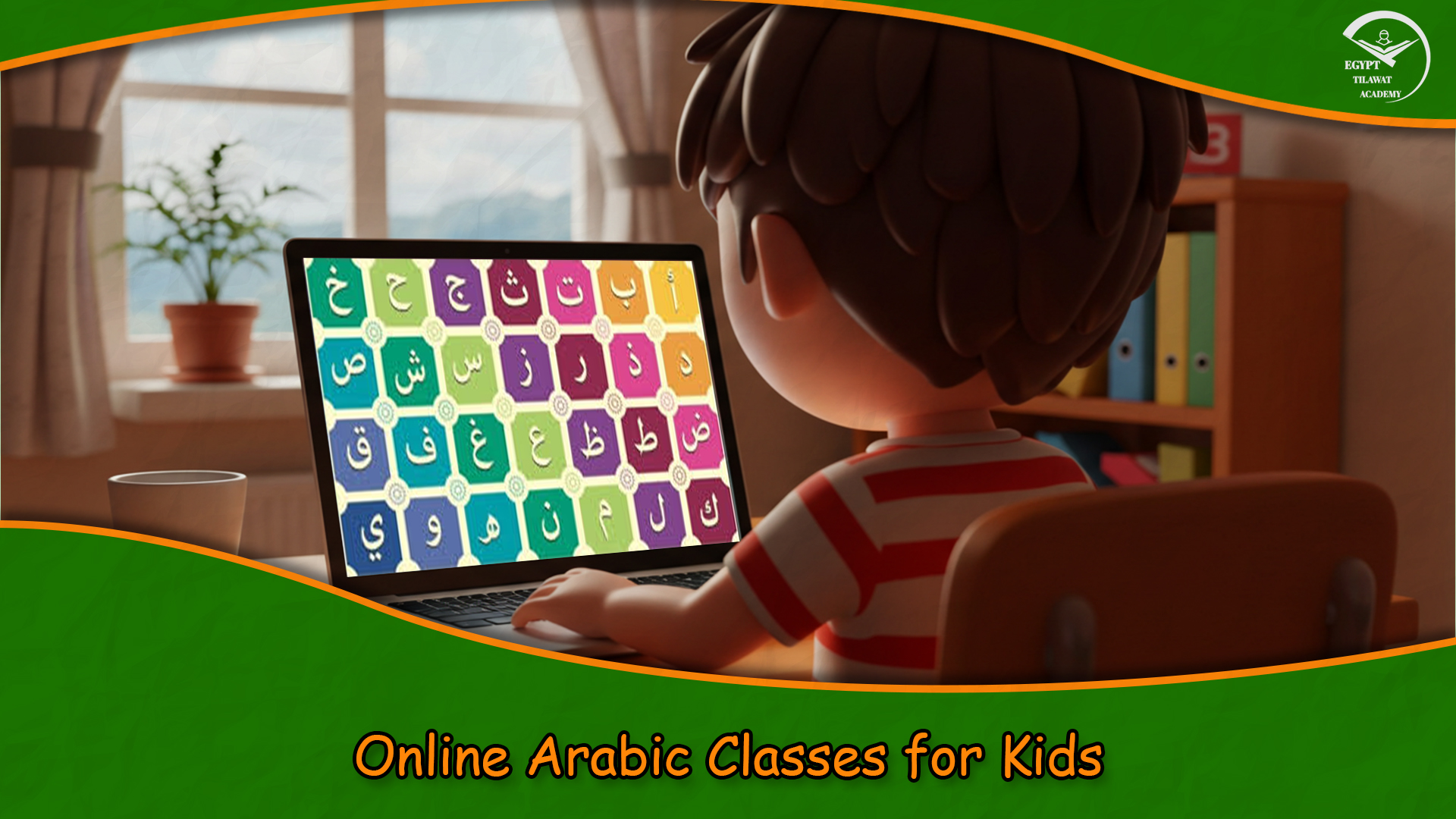
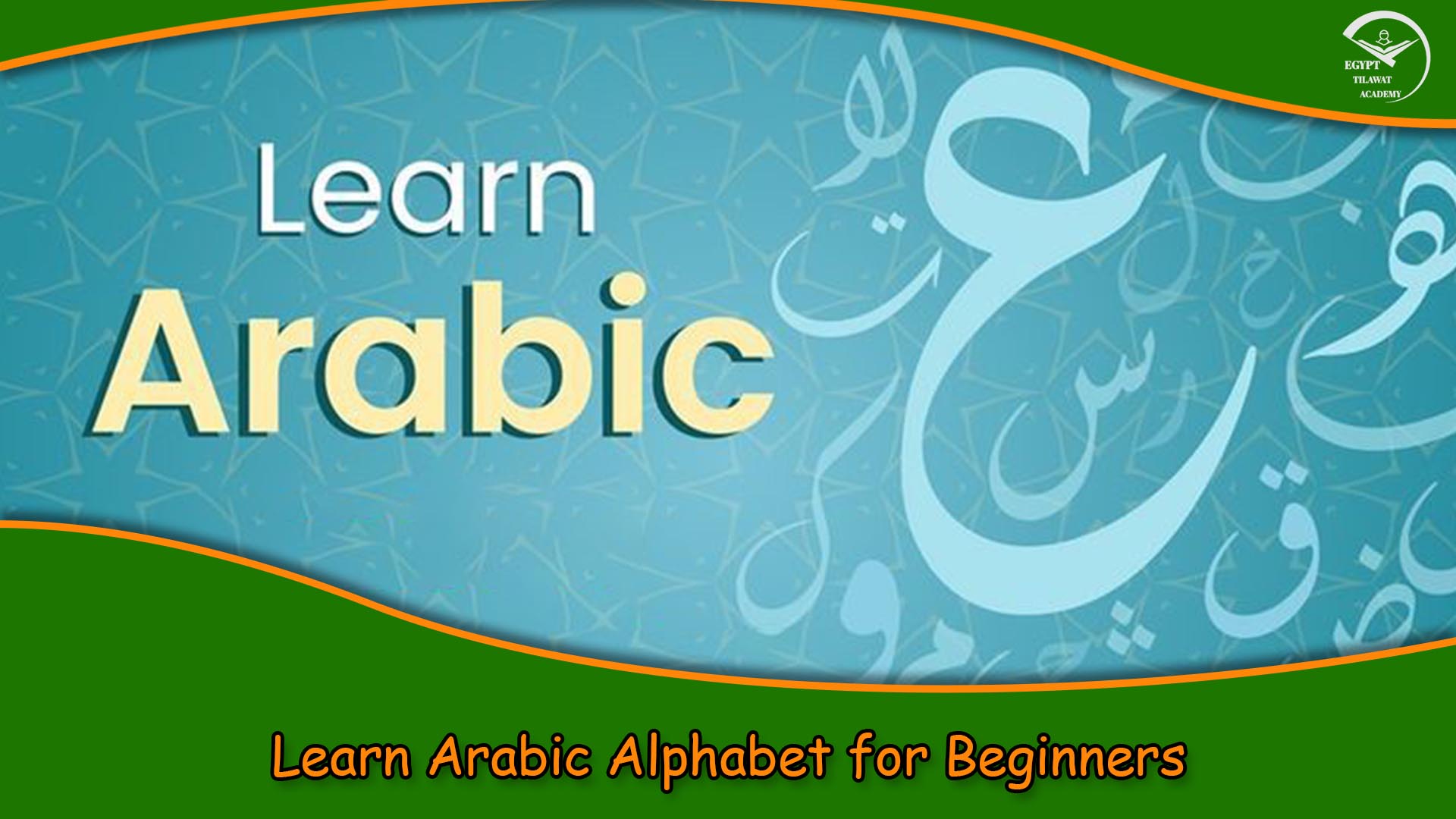
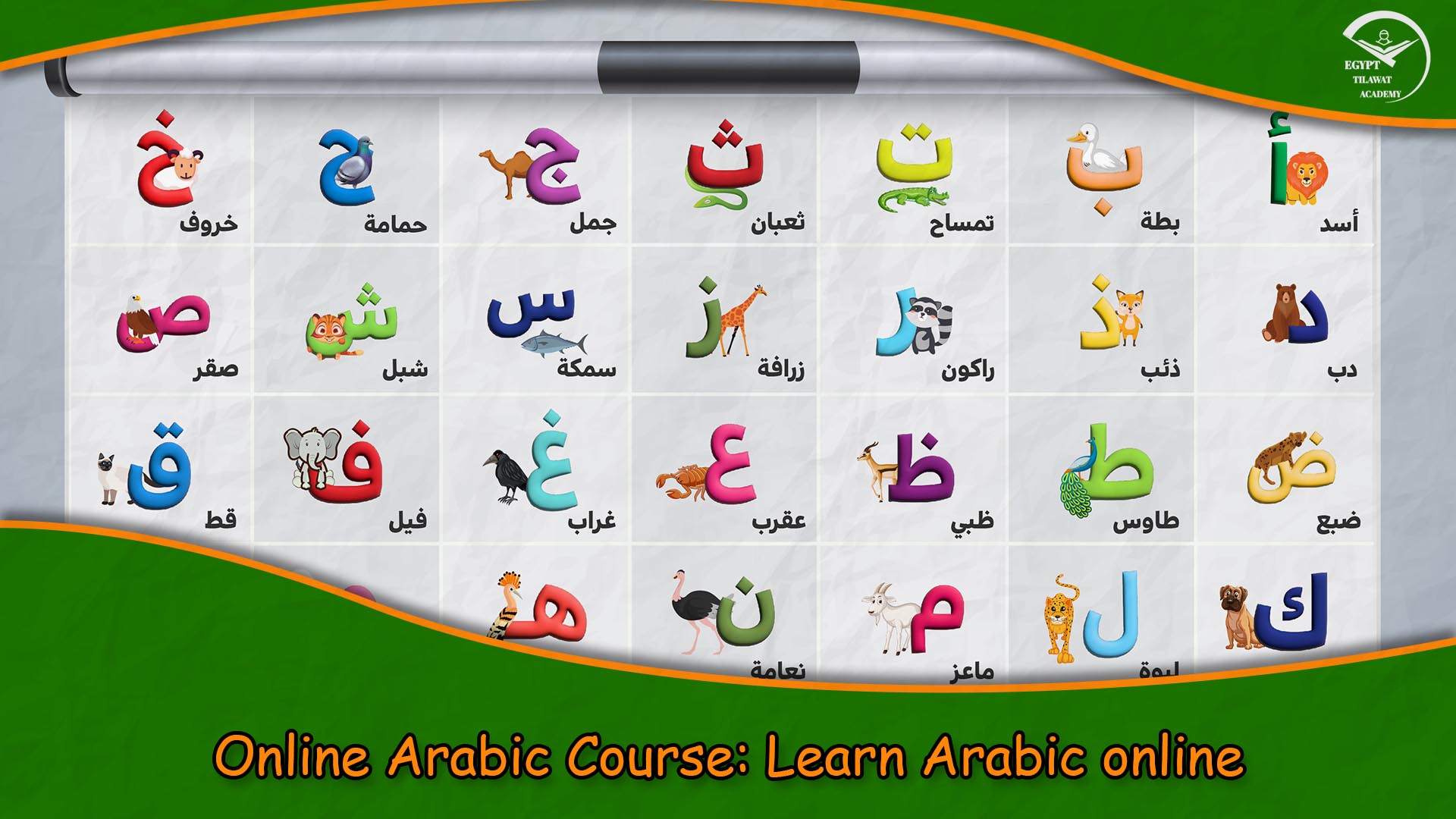
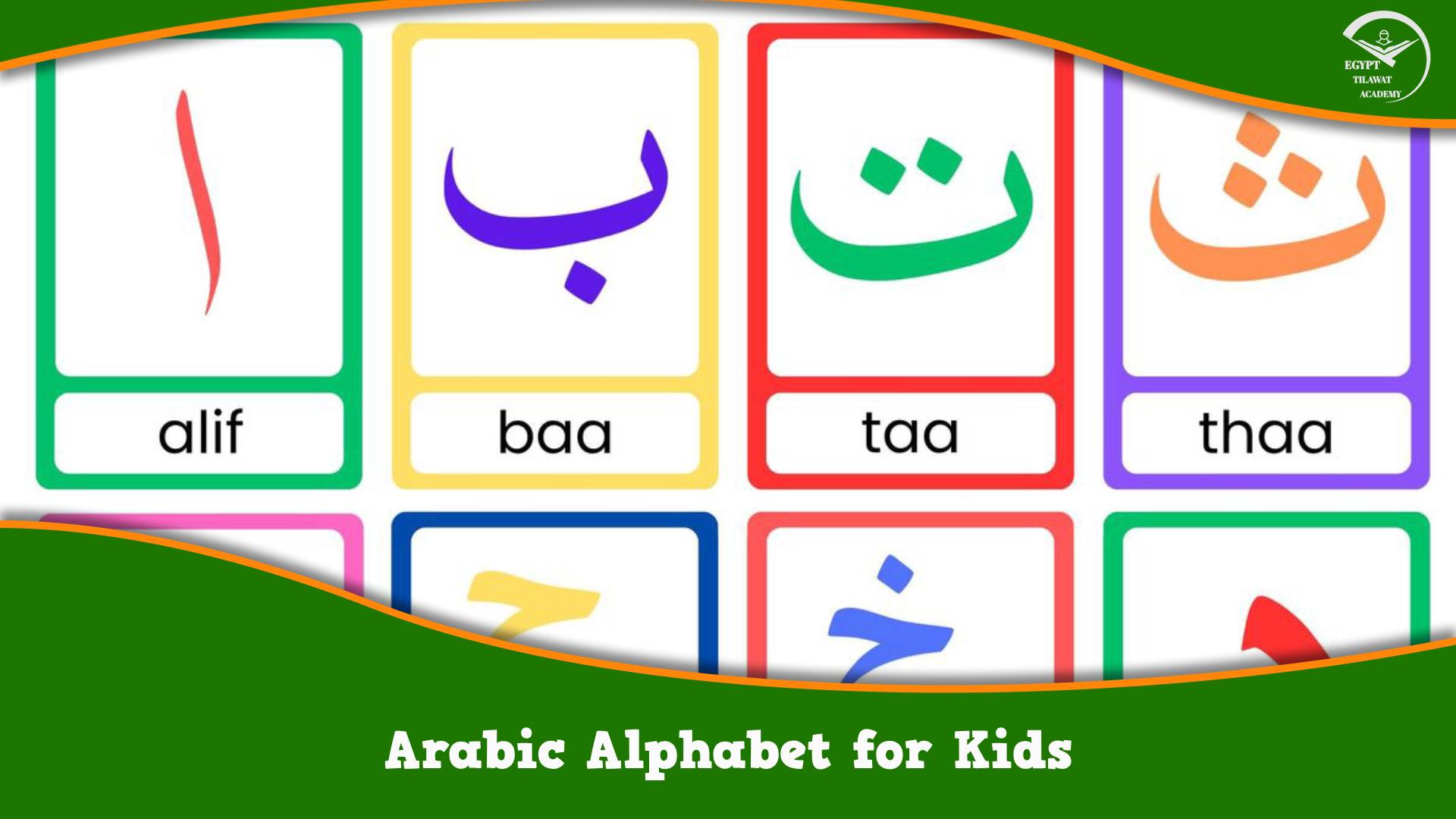
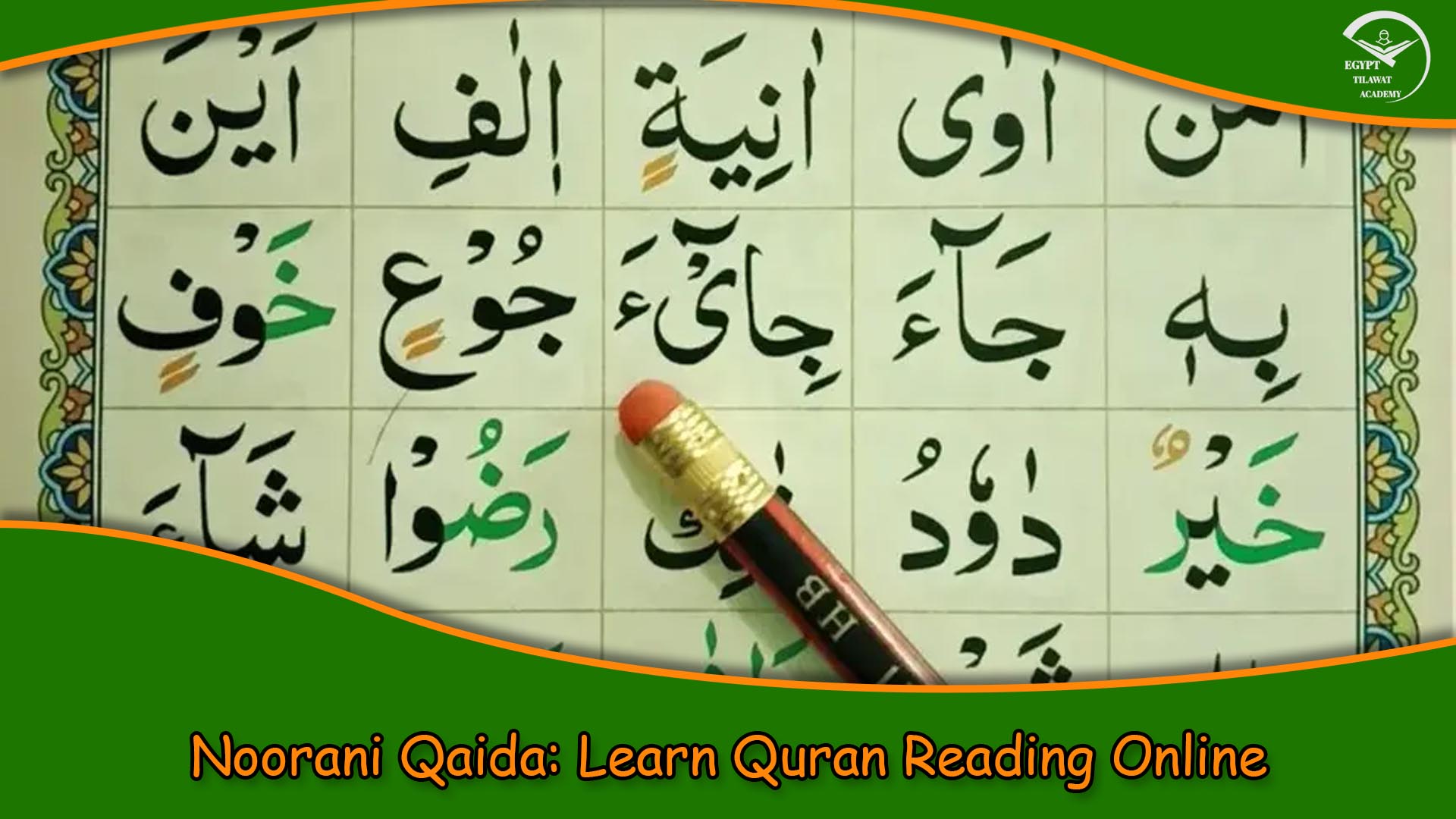
A common mistake beginners make is jumping straight into memorizing Tajweed rules such as Ikhfa, Idgham, or Qalqalah before they can even pronounce the Arabic alphabet with confidence. A better starting point is to spend real time on the Arabic letters themselves, one by one, listening carefully to a qualified teacher and repeating until the sound feels natural in your mouth. Once the letters are solid, the rules start to make sense because you can already hear the difference they create between one letter and another that looks or sounds similar.
It is worth spending extra time on the letters that do not exist in most other languages, since these are usually the ones adult learners struggle with the most. Rather than rushing past them, isolate each difficult letter and practice it in short words before moving to full sentences or verses.
Learn With a Teacher, Not Just an App
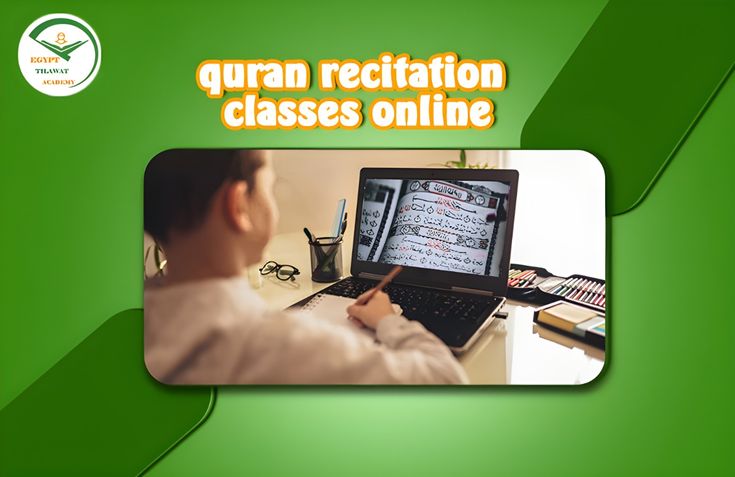
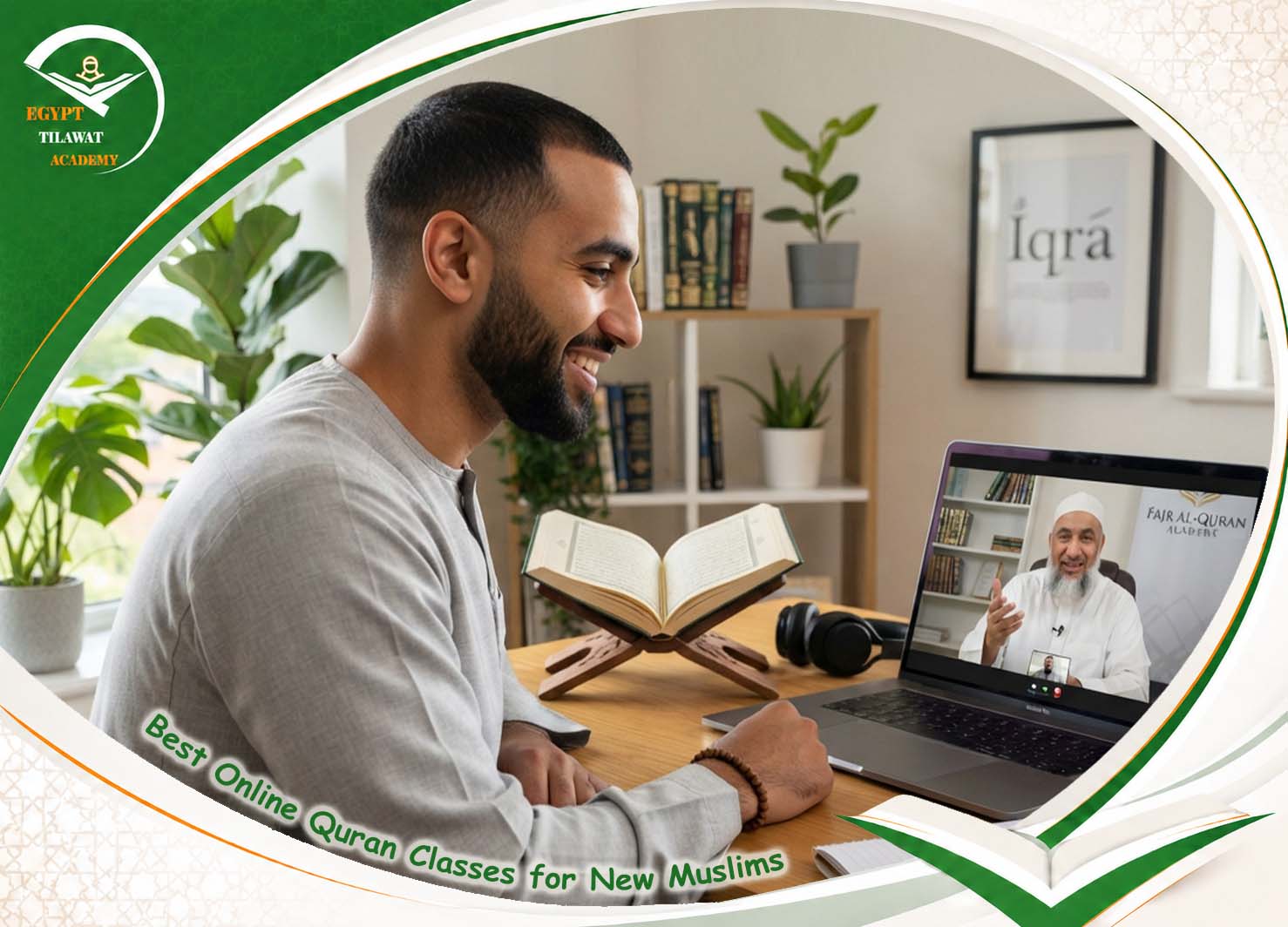
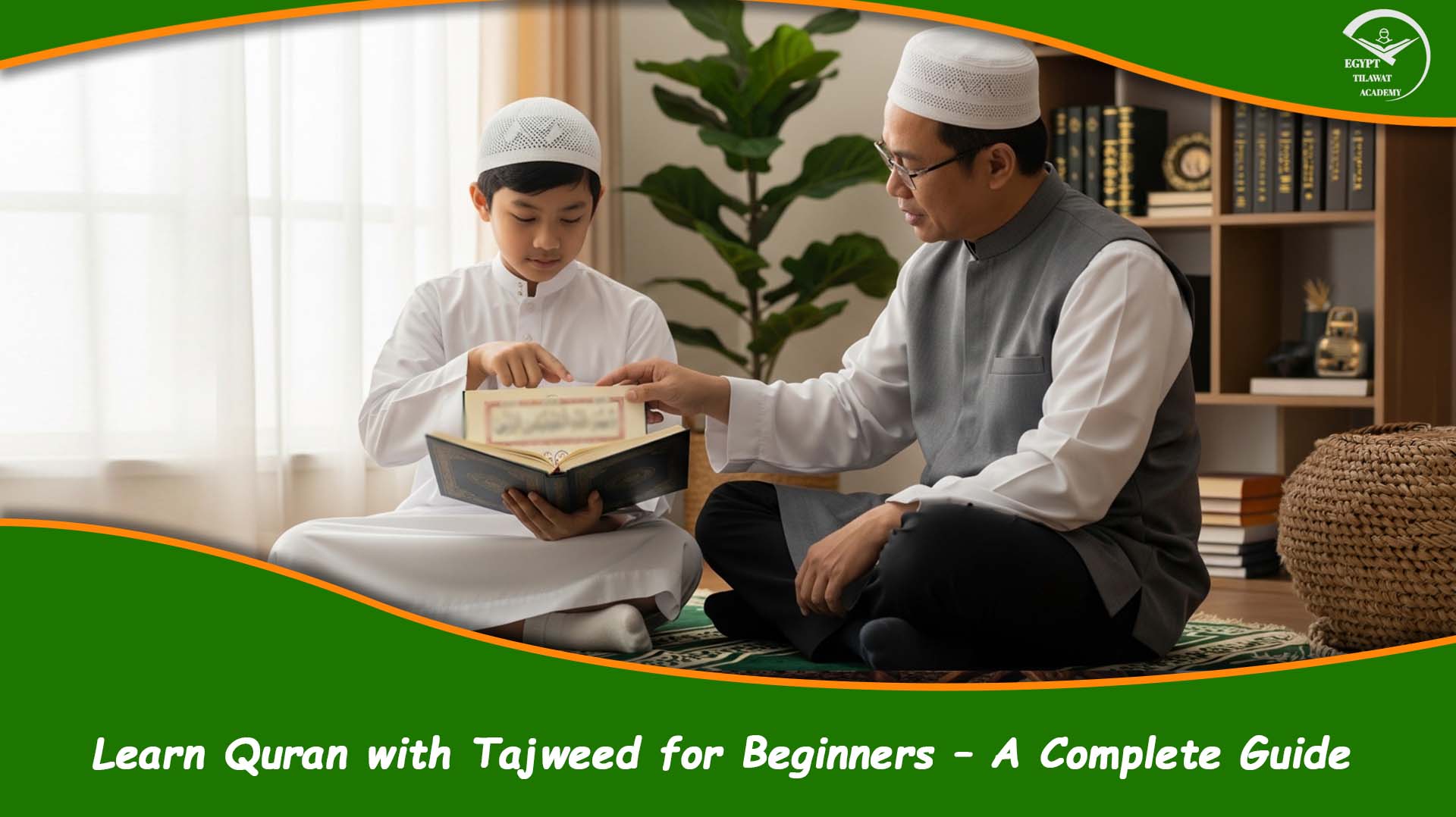
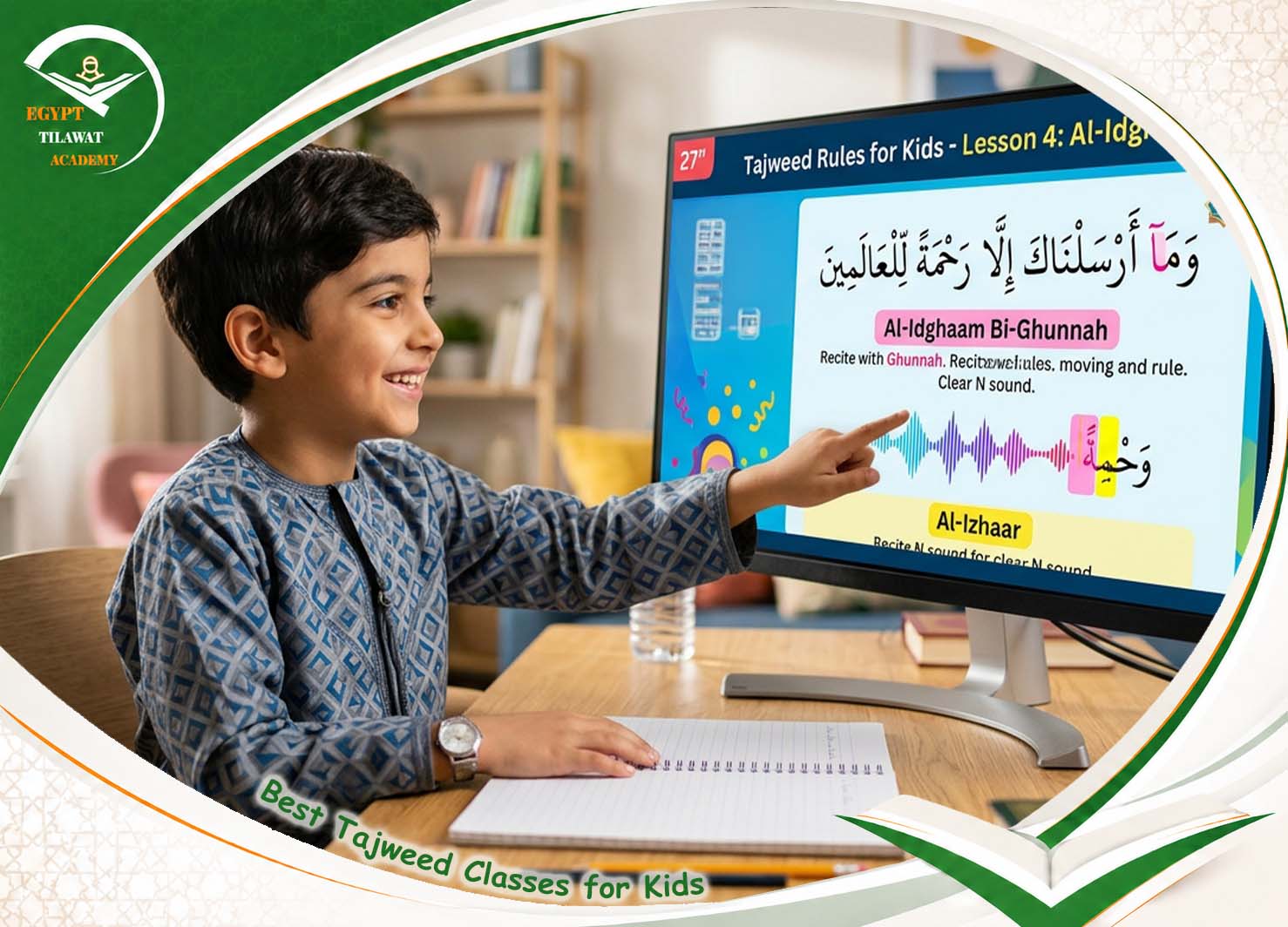
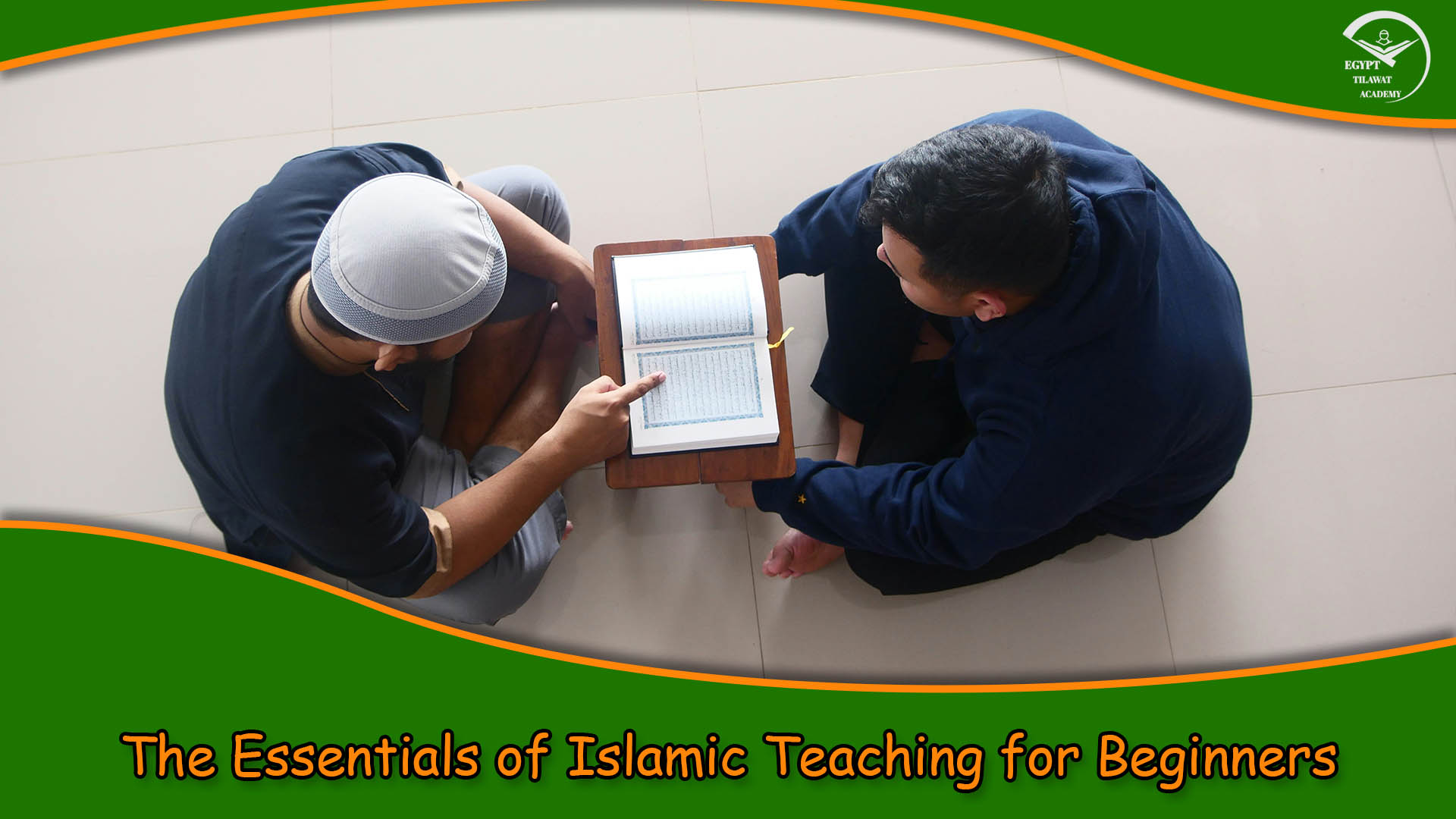
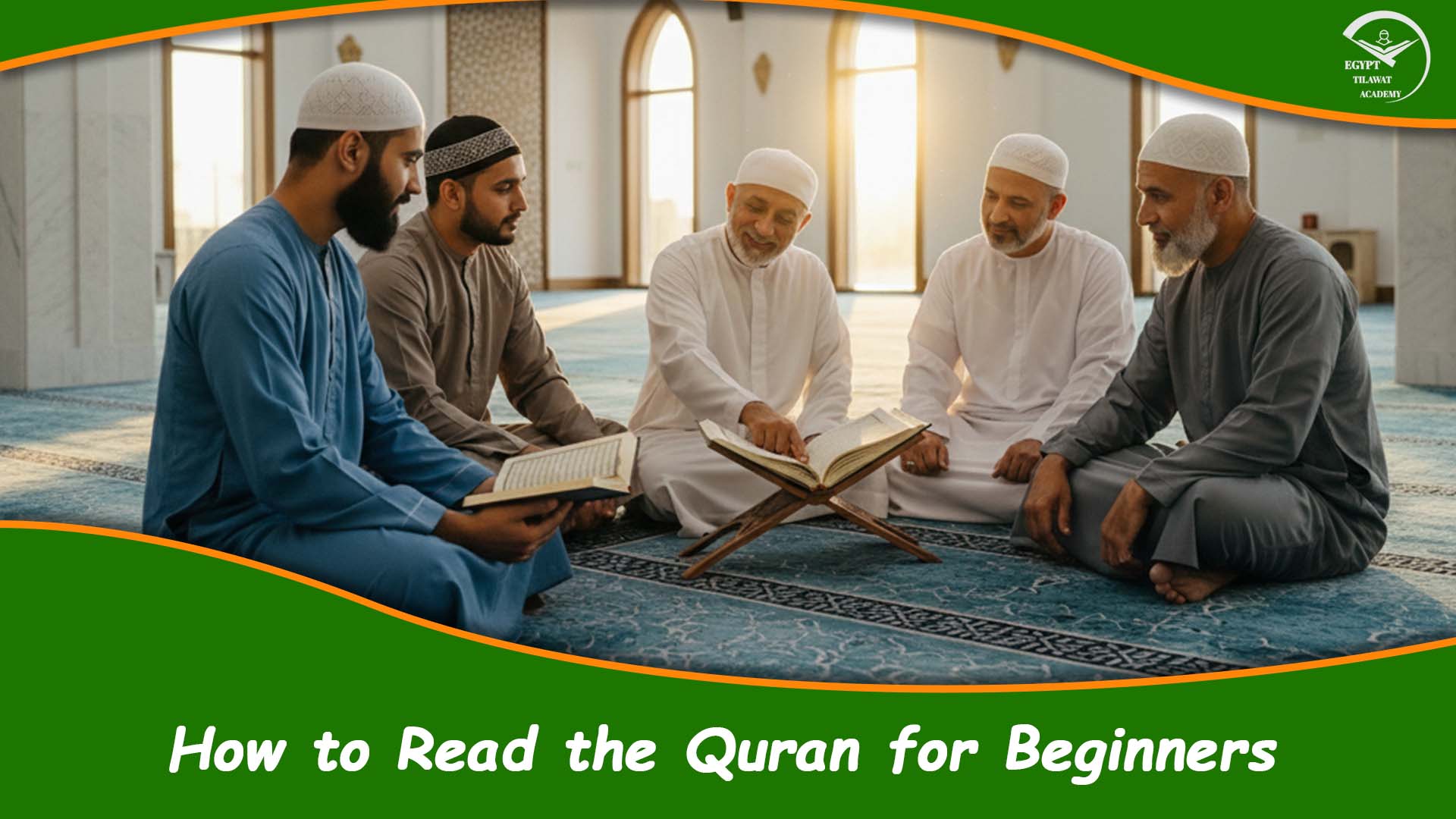
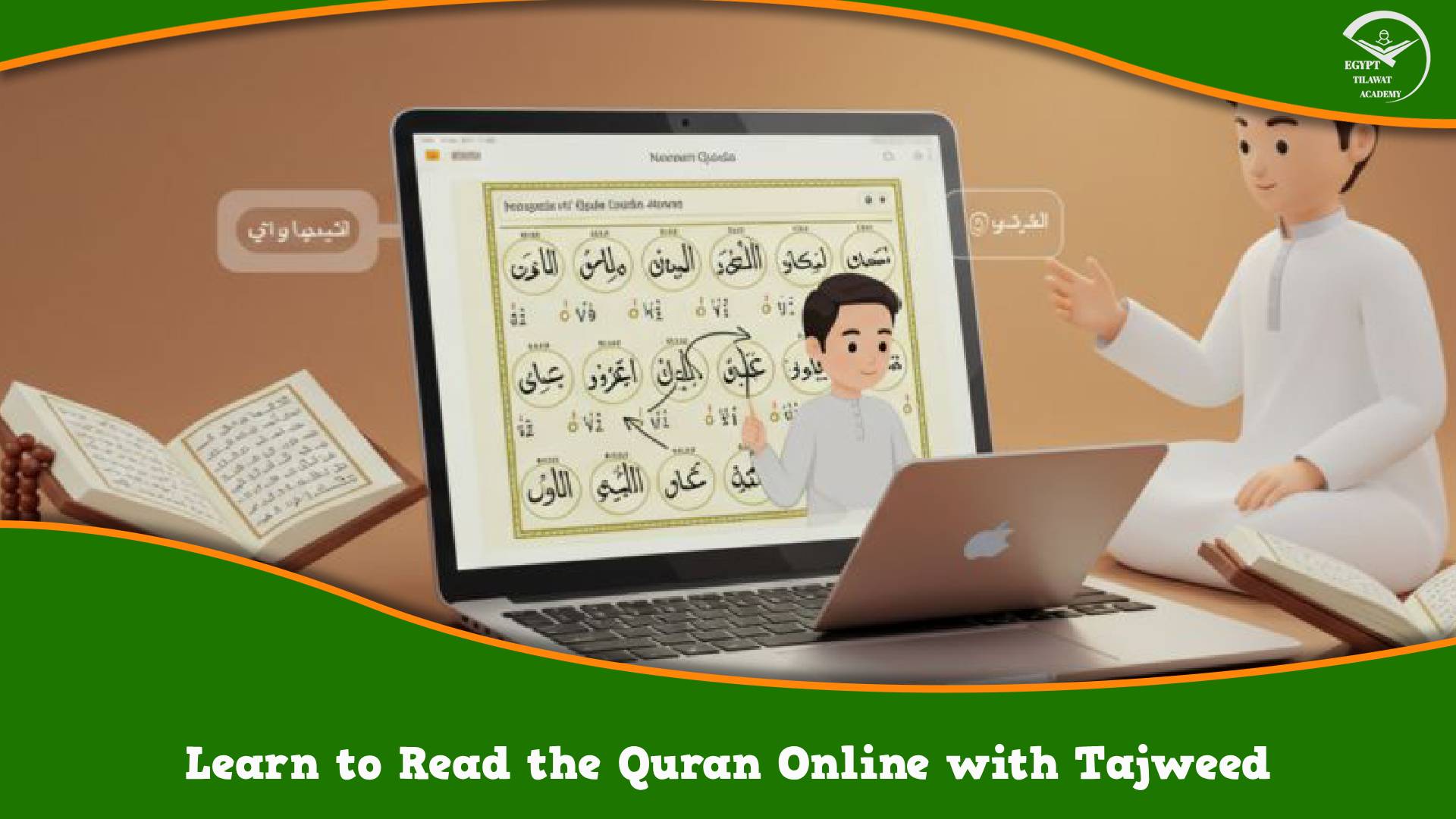
Apps and videos are useful for review, but Tajweed is fundamentally an audible skill that needs correction in real time. A live teacher can hear the tiny difference between a heavy and a light letter and correct it on the spot, something a recorded lesson cannot do. Structured one-on-one sessions through an online Quran reading course give you that live feedback loop, which speeds up progress dramatically compared to self study alone, because mistakes get caught before they turn into habits.
This does not mean self study has no place. Reviewing what you learned in class, listening to qualified reciters, and reading transliterations to double check yourself between sessions all support the process. But they should support a live teacher, not replace one, especially in the first year of learning.
Practice in Small, Consistent Sessions
Fifteen to twenty minutes a day of focused practice will take you further than an occasional two-hour session once a week. Tajweed is muscle memory as much as it is knowledge, and muscles respond to repetition, not intensity. Try to recite the same short passage slowly and correctly multiple times rather than rushing through a long passage with mistakes. Recording yourself and listening back is also a simple way to catch errors you did not notice while reciting, since our own voice often sounds different to us in the moment than it does on playback.
A simple weekly structure that works well for many students looks like this: two or three days reviewing new material with a teacher, two or three days practicing independently, and one day dedicated purely to revision of everything covered that week. Consistency across months matters far more than any single intense session.
Understand the Core Rules One at a Time
Once your pronunciation is stable, move through the main Tajweed categories gradually:
- Noon Sakinah and Tanween rules, including Ikhfa, Idgham, Iqlab, and Izhar
- Meem Sakinah rules and how they differ slightly from Noon rules
- Qalqalah letters and the bouncing sound they produce
- Madd, the different types of elongation and their durations
- Heavy and light letters (Tafkheem and Tarqeeq)
- Rules of Ra and when it is pronounced heavy or light
Trying to master all of these at once usually backfires. Most experienced teachers introduce one rule, give the student time to apply it across several pages, and only then move to the next. It is normal for this process to take many months, and rushing it tends to create habits that are harder to correct later than if the student had simply gone slower from the start.
Use Real Quran Text, Not Isolated Examples
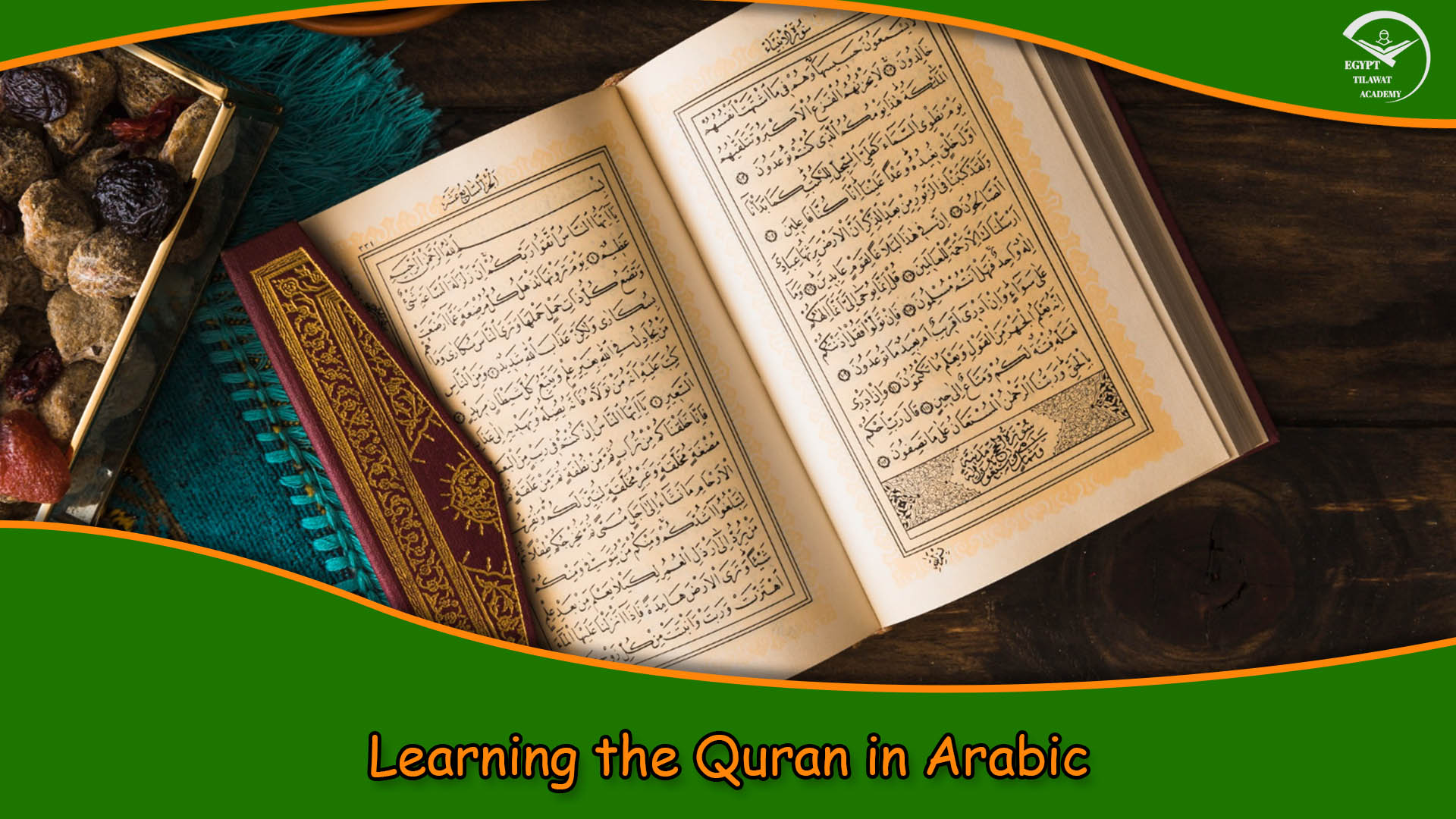
Rules make more sense when you see them applied inside actual verses rather than in a textbook example detached from real recitation. As you work through a page of the Quran with your teacher, mark where each rule appears and say it out loud with the correct application. Over time this builds a natural instinct so you stop thinking about the rule consciously and simply recite correctly, the same way a fluent reader of any language stops thinking about grammar rules while speaking.
Common Mistakes Beginners Make
Certain mistakes appear again and again among new students, and knowing them in advance can save months of correction later. Rushing through elongation letters and cutting them short is one of the most frequent issues. Another is merging letters that should be pronounced separately, especially when two similar letters appear next to each other. Some students also focus so heavily on speed that they lose the correct characteristics of heavier letters, flattening them out until they sound like their lighter counterparts. A patient teacher will usually flag these within the first few sessions, which is another reason live correction matters so much in the early stages.
Connect Tajweed to Memorization
If you are also working on memorization, it helps to learn the Tajweed of a passage before you memorize it rather than after. Correcting pronunciation habits after they are already memorized takes much longer than learning it right the first time. Many students combine their Tajweed practice with a structured Quran memorization program so both skills reinforce each other from day one, with each new page learned correctly the first time instead of needing to be relearned.
Tools That Can Help Between Lessons
Between live sessions, a Mushaf that marks Tajweed rules in color can help visual learners recognize patterns faster. Audio recordings of a reciter known for clear, measured Tajweed are also valuable for training your ear, especially if you listen to the same short passage repeatedly rather than jumping between many different reciters. None of these tools replace a teacher, but they make the time between lessons more productive.
How Long Does It Take?
There is no single timeline that fits every student, since progress depends on age, prior exposure to Arabic, and how consistently someone practices. That said, most dedicated students notice a real improvement in their pronunciation within the first two to three months, and reach a comfortable, confident level within a year of steady practice. Adults who already speak Arabic as a first language typically move faster through the rules than those learning the alphabet and the rules at the same time.
Be Patient With Yourself
Every student, including native Arabic speakers, needs correction along the way. Tajweed mistakes are not a sign of failure, they are simply part of learning a precise and detailed skill. What matters is that you keep practicing with a teacher who corrects you gently and consistently, rather than trying to get everything perfect on your own before you even start.
Where to Continue Learning
If you found this useful, our article on learning Quran online walks through what a typical class structure looks like, and it is a good next read if you are still deciding how to begin. Students who want to go further can also look into an Ijazah certification path once their Tajweed is solid, which formally recognizes accurate recitation under a qualified teacher. With the right teacher, a realistic daily routine, and patience with the process, correct Tajweed becomes a natural part of how you recite rather than a rulebook you have to memorize.
Frequently Asked Questions
Can adults learn Tajweed as effectively as children? Yes. Adults often learn faster in the early stages because they can understand explanations and reasoning behind each rule, while children usually pick up sound patterns faster through repetition. Both groups reach strong results with consistent practice.
Do I need to know Arabic grammar first? No. Tajweed focuses on pronunciation, not grammar or meaning. Many students learn Tajweed and grammar side by side, but neither is a strict prerequisite for the other.
Is it possible to learn Tajweed online effectively? Yes, as long as the sessions are live and one-on-one with a qualified teacher who can hear and correct you directly, rather than pre-recorded group videos with no feedback.
What if I already recite but with mistakes? This is extremely common and nothing to worry about. A teacher will usually assess your current level in the first session and build a correction plan around the specific habits that need adjusting, rather than starting from zero.