Learn Quran for Kids Online
Learn Quran for kids programs are designed to make Quran learning simple,
friendly, and engaging.
Children can start with Arabic letters, Noorani Qaida, and basic quran
reading before moving to Tajweed, recitation, memorization, and understanding
selected verses.
This step-by-step approach is especially helpful for beginners who need
patience and regular practice.
Helping a child build a strong relationship with the Quran is one of the
most valuable gifts parents can give.
Families can learn Quran for kids through structured online lessons that fit
naturally into a child’s daily routine.
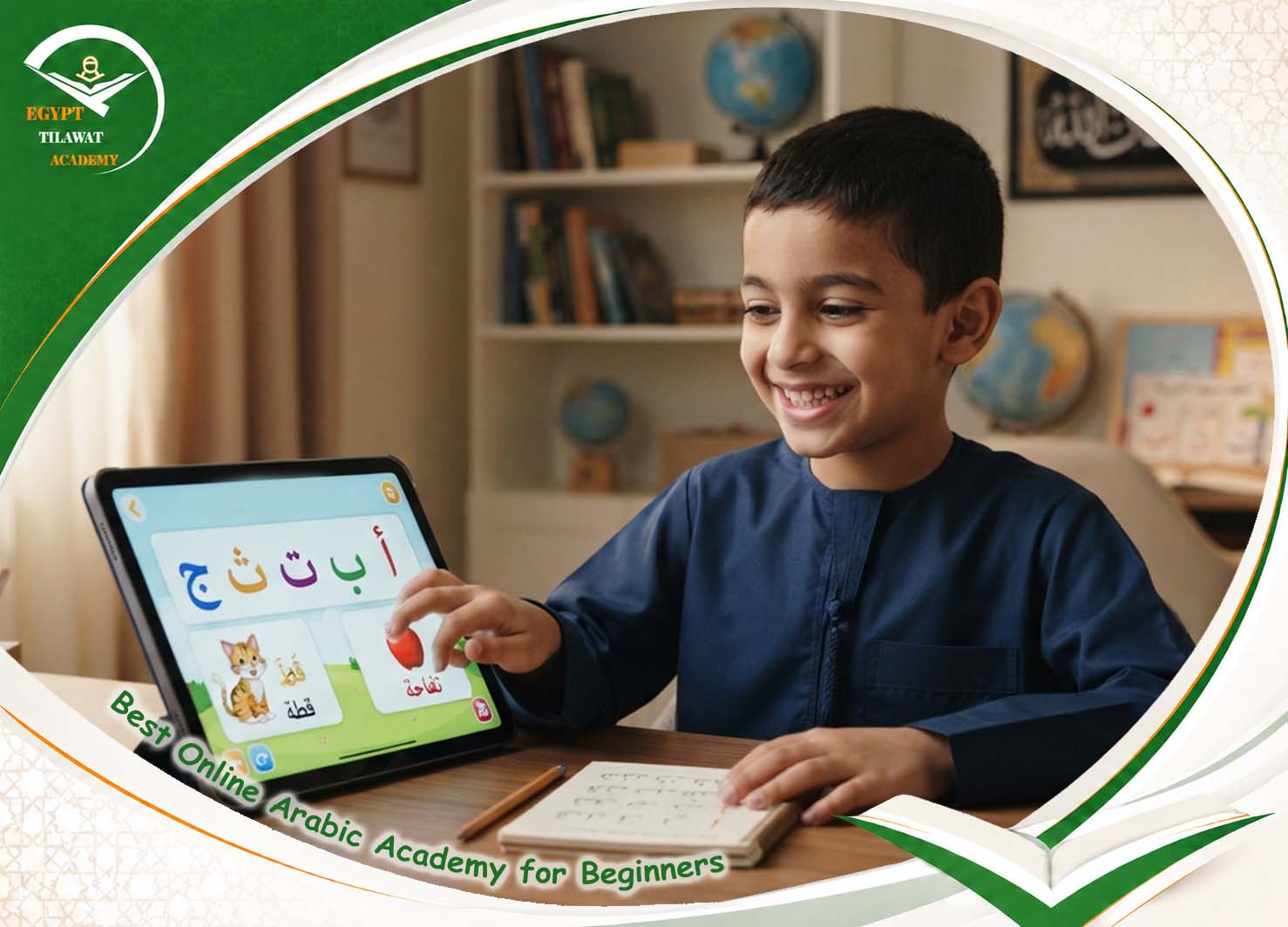
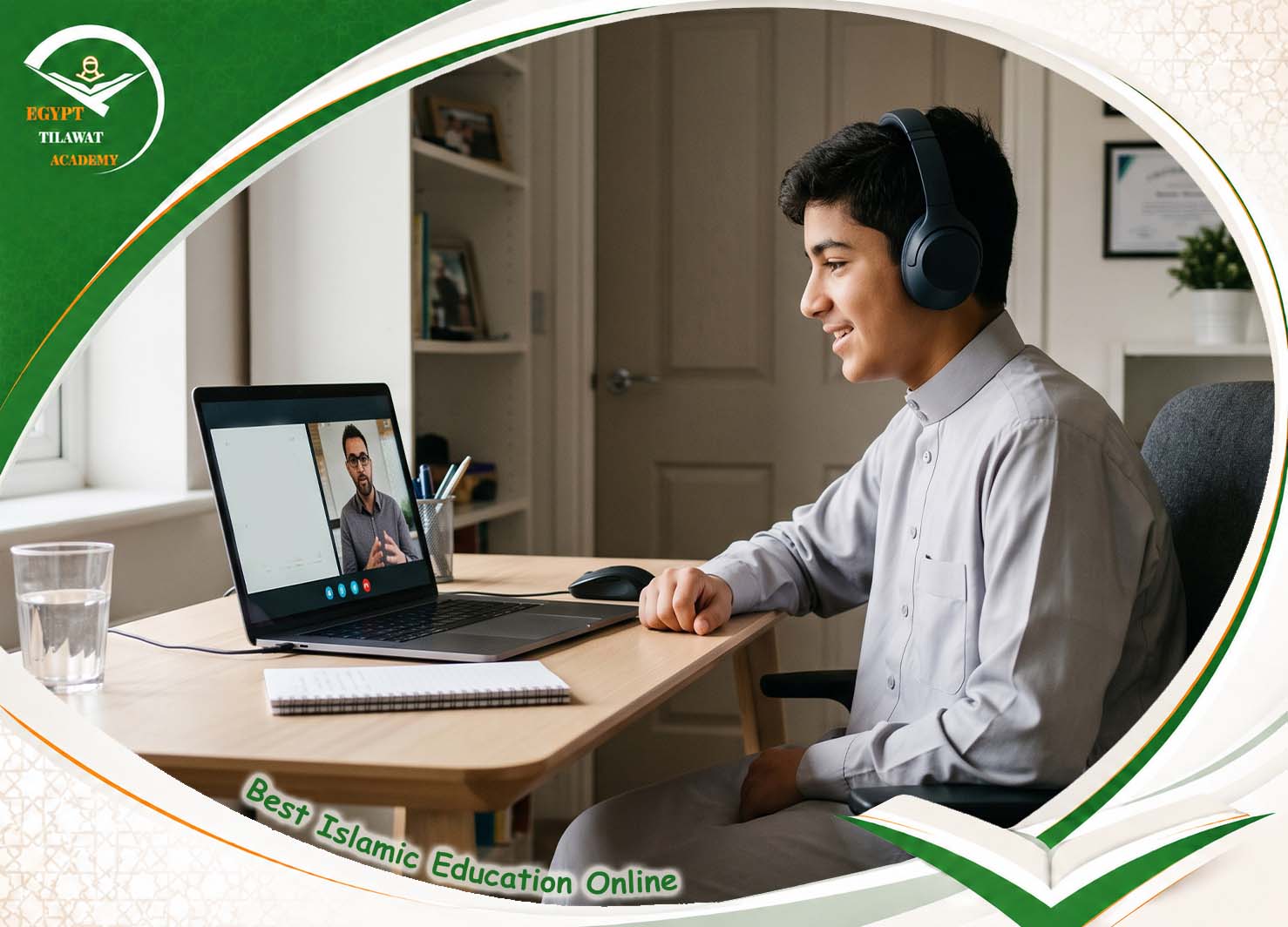
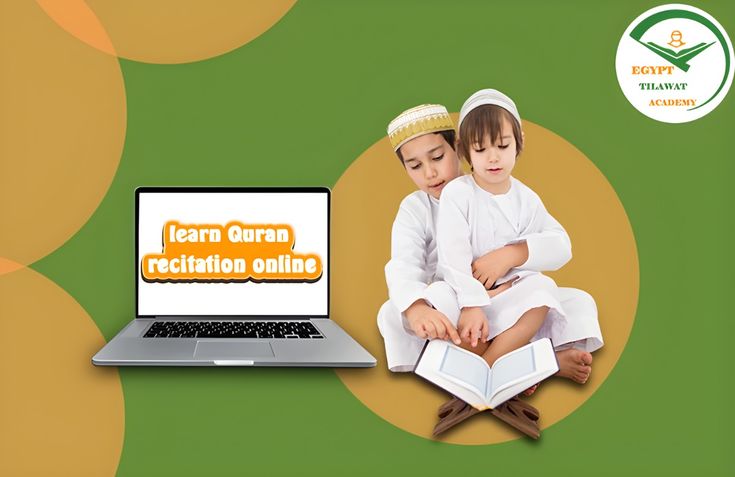
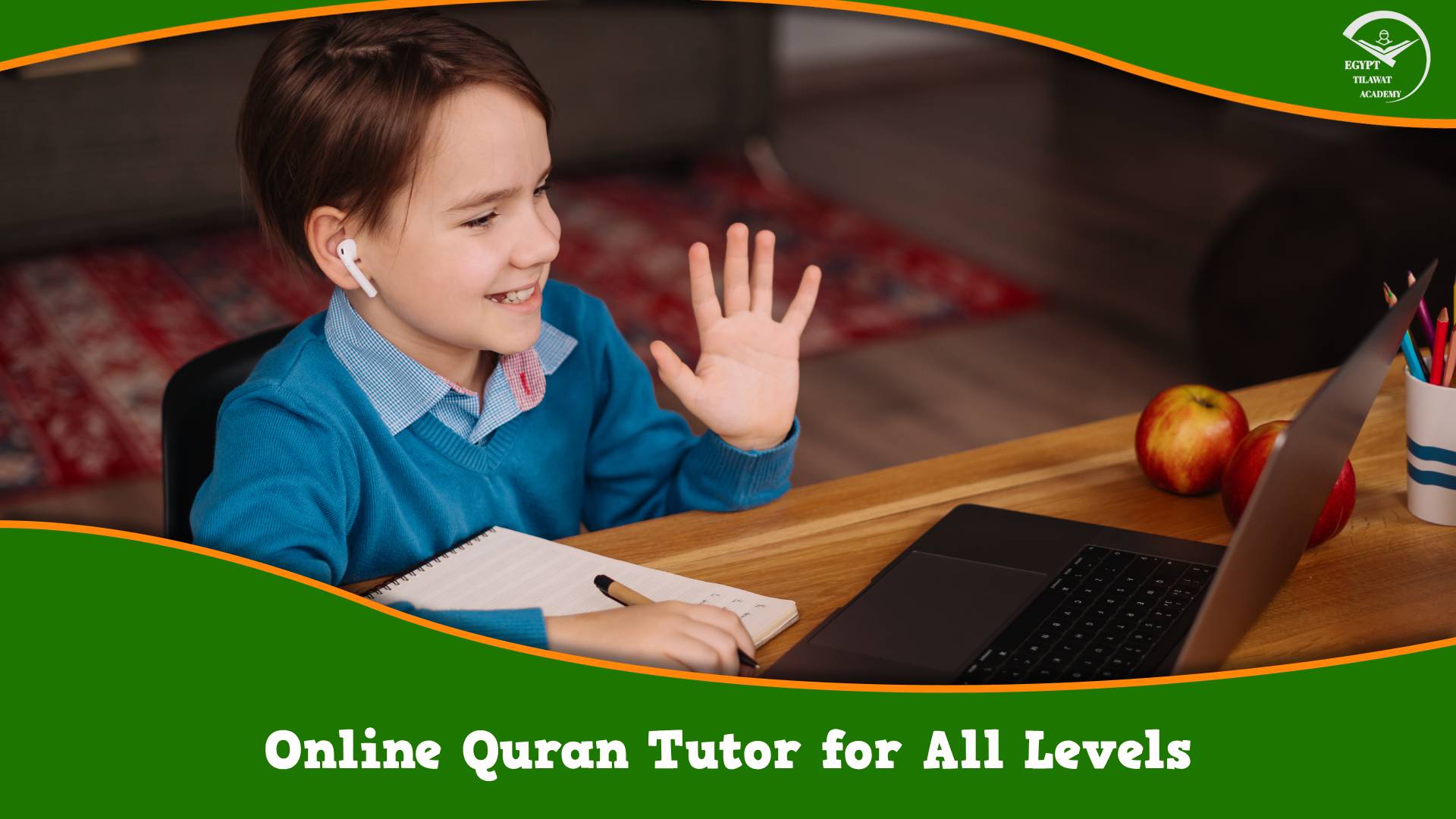
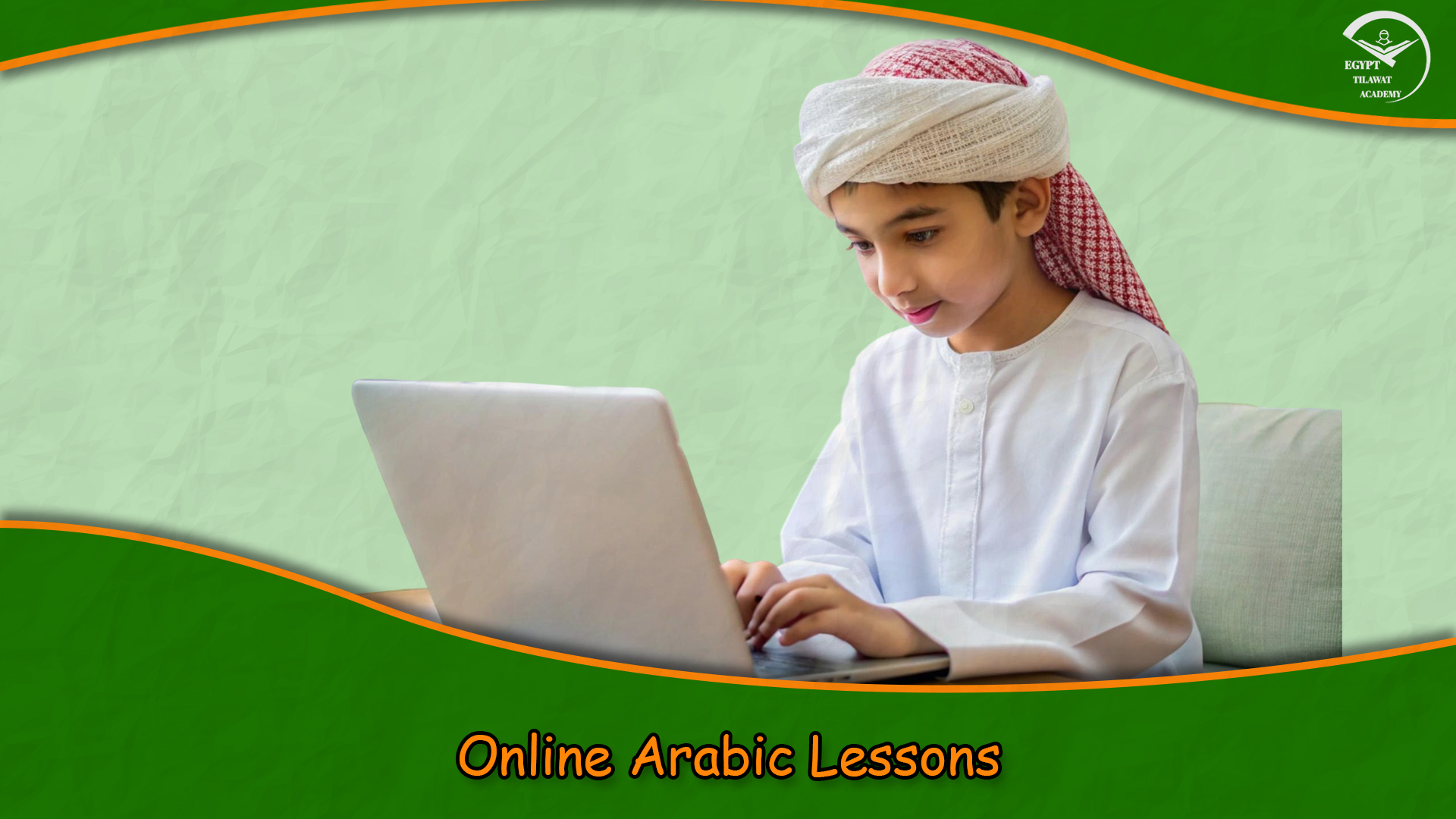
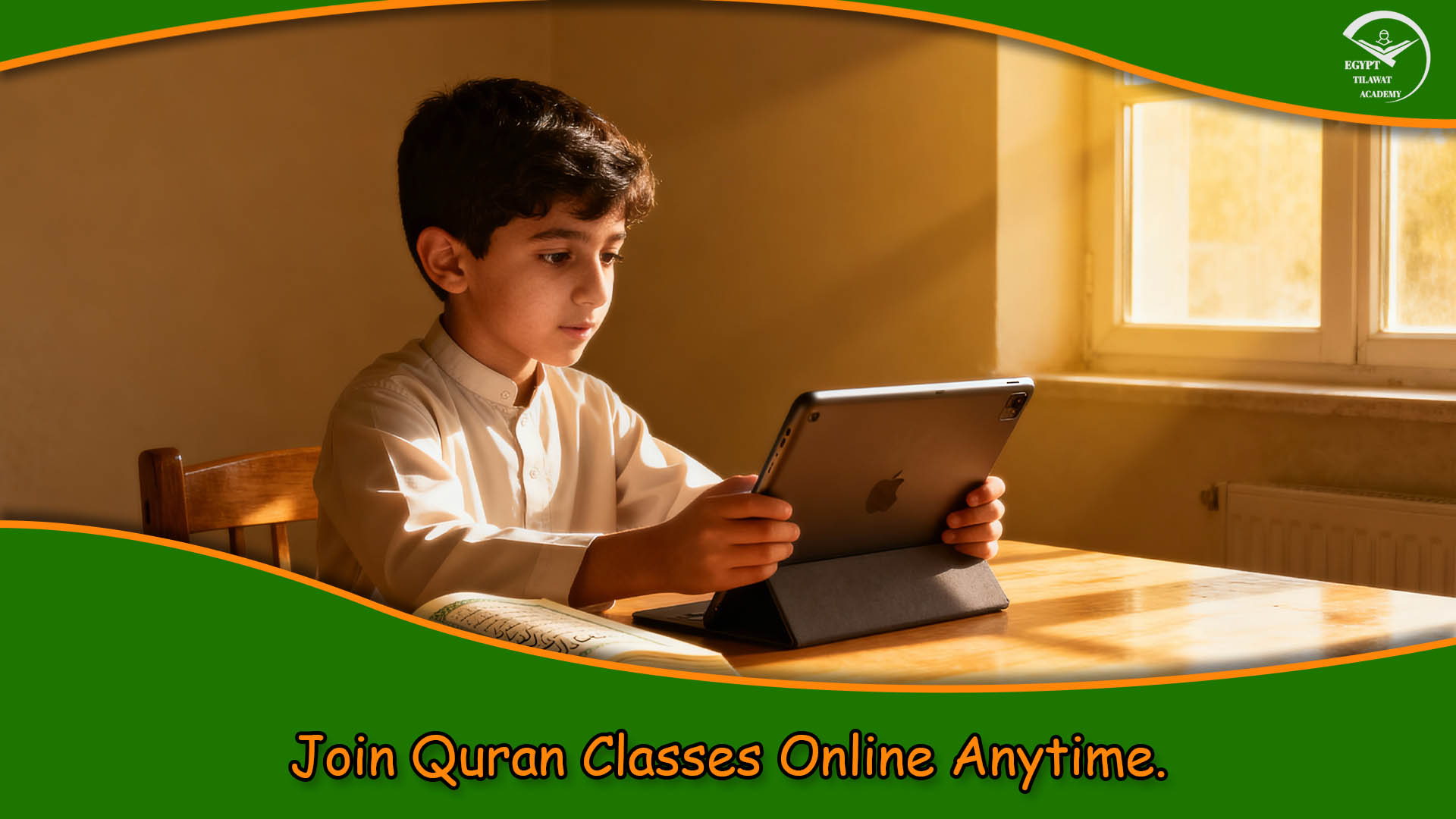
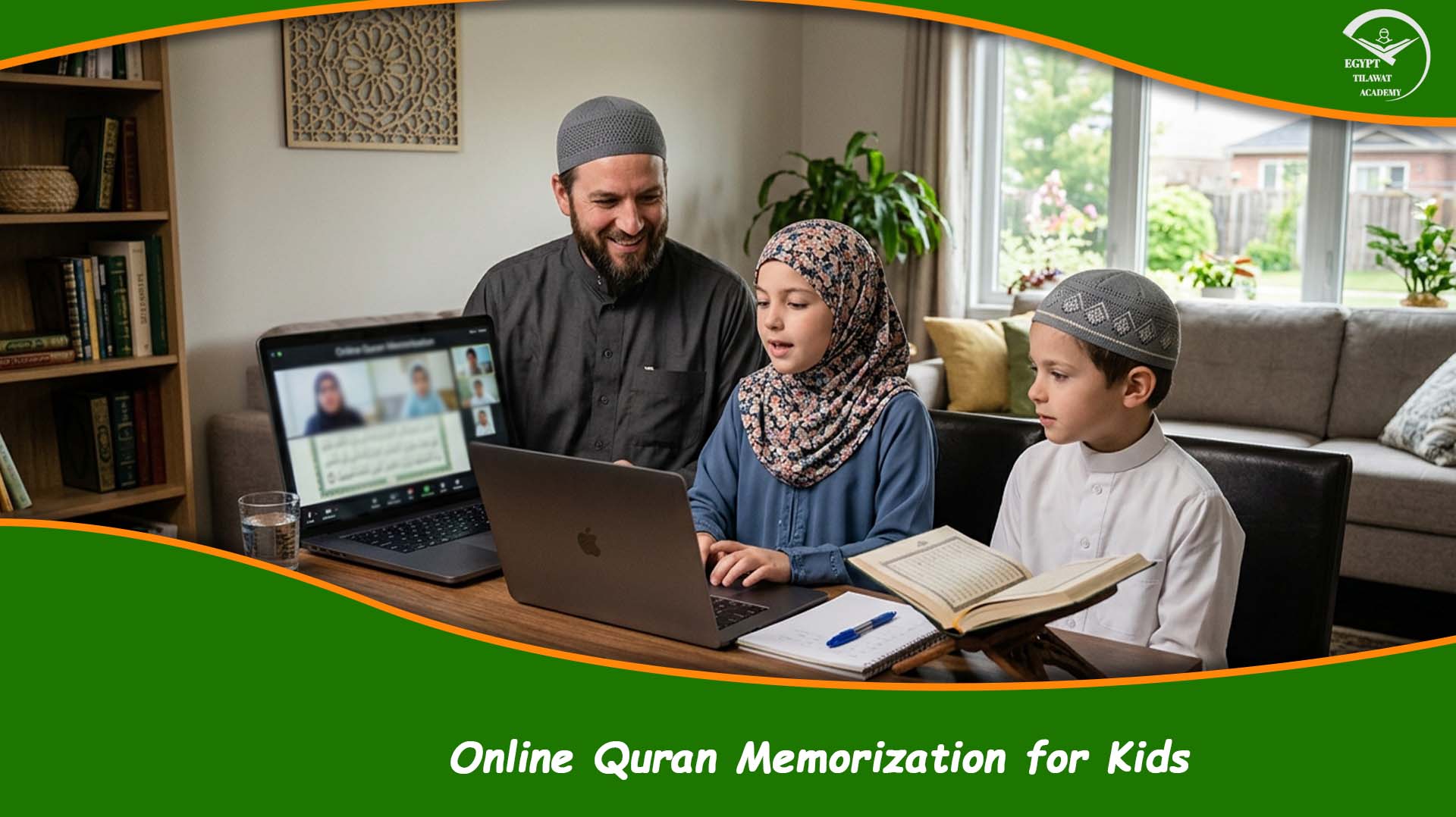
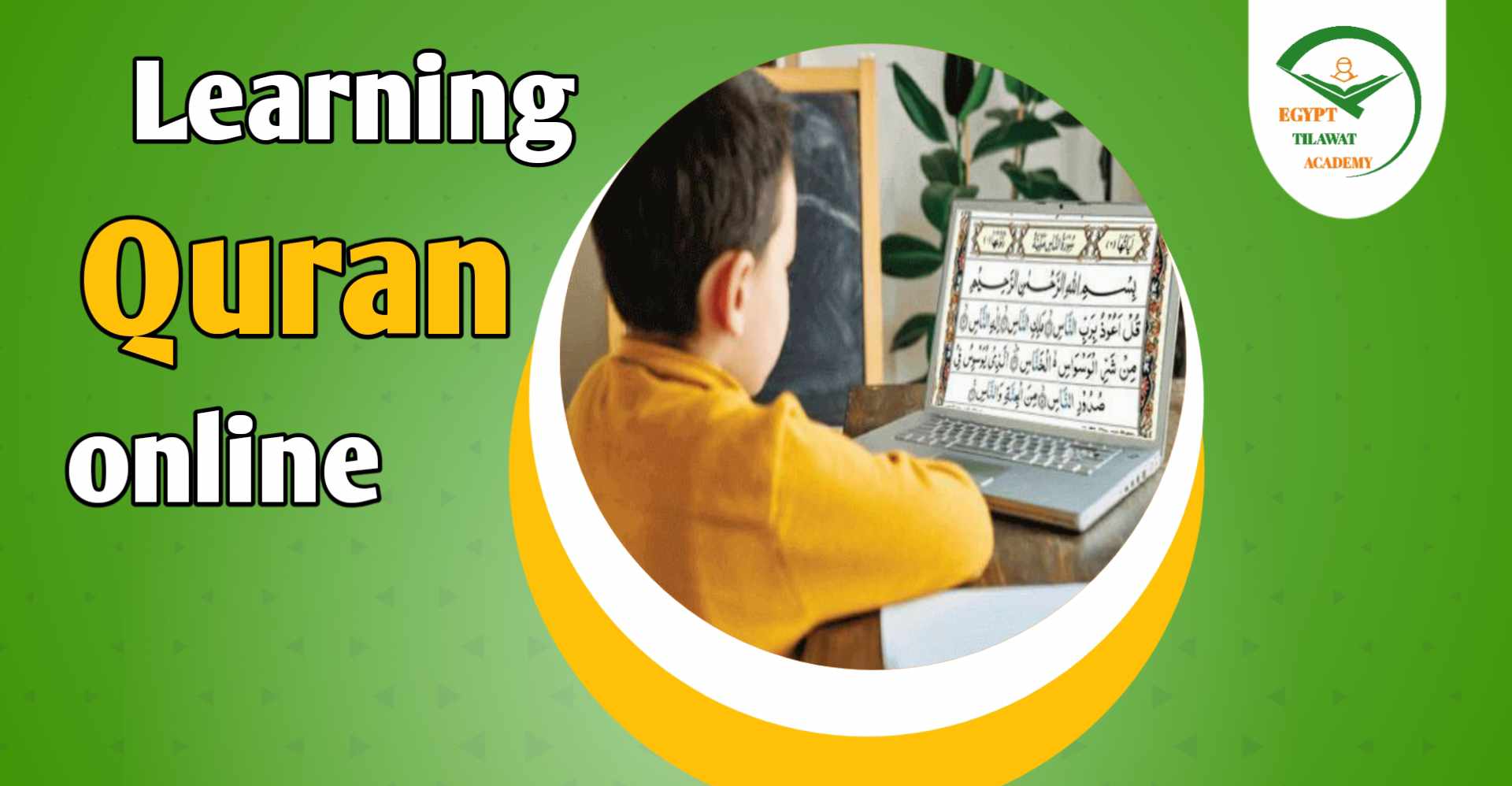
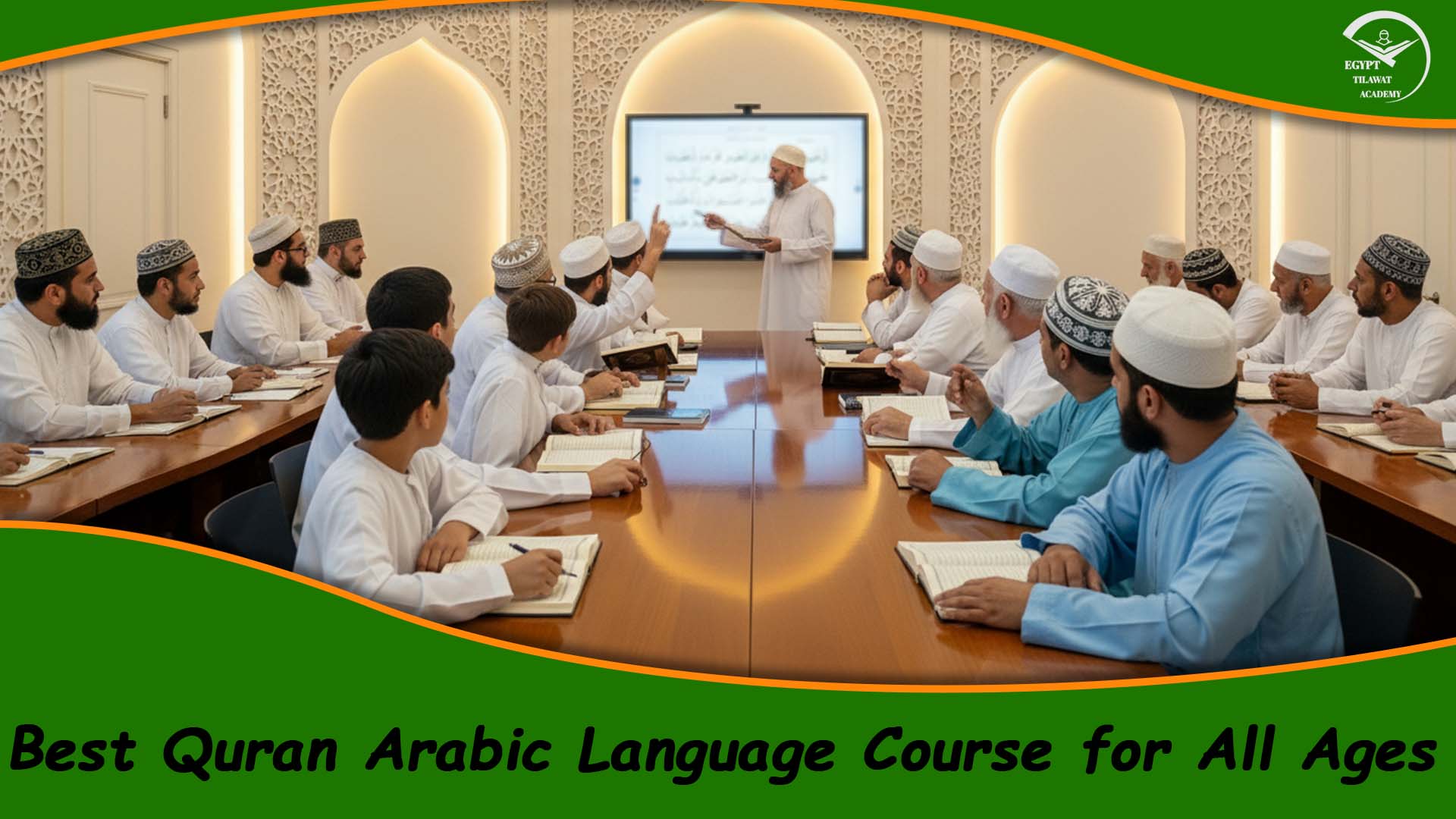
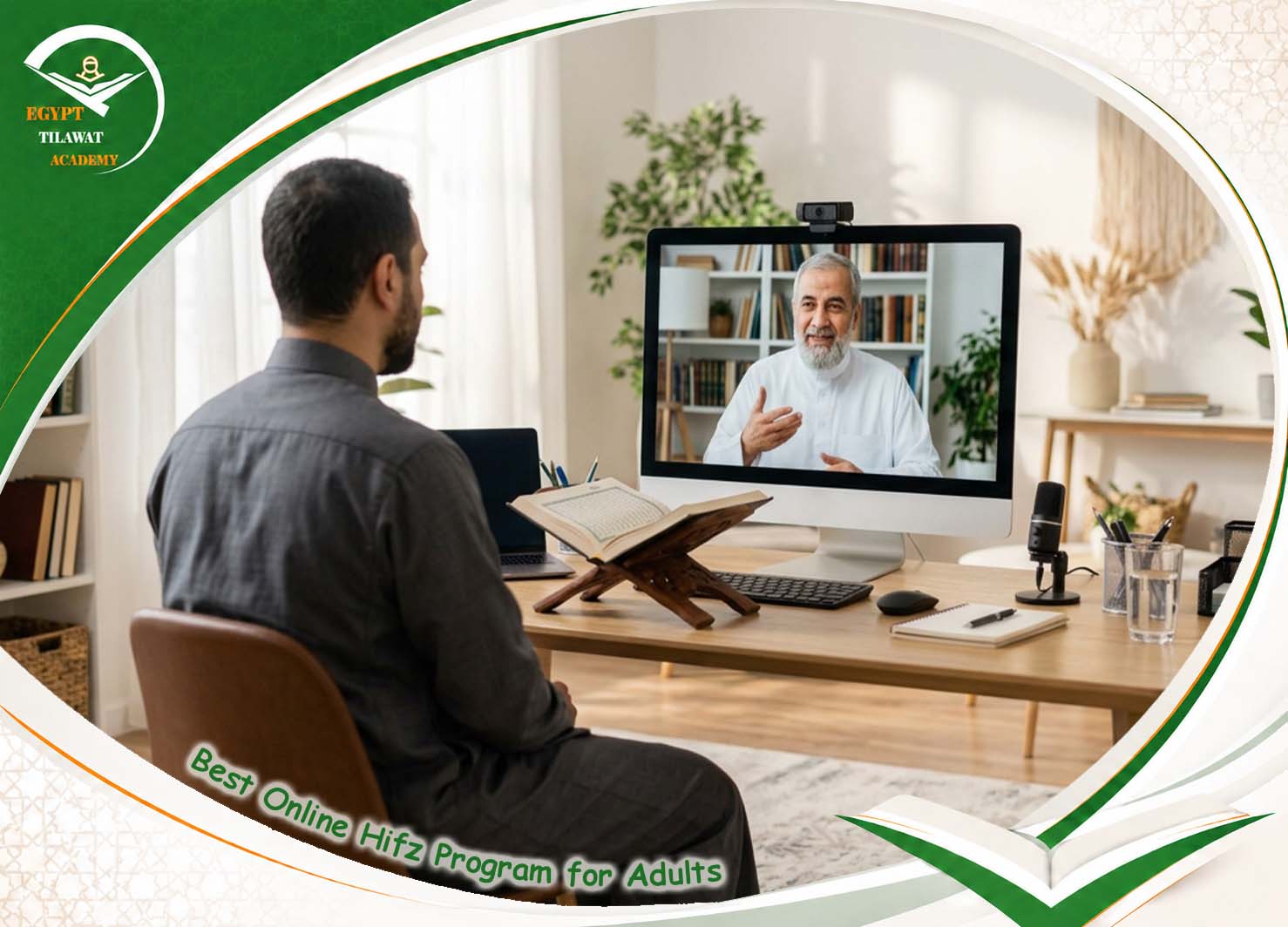
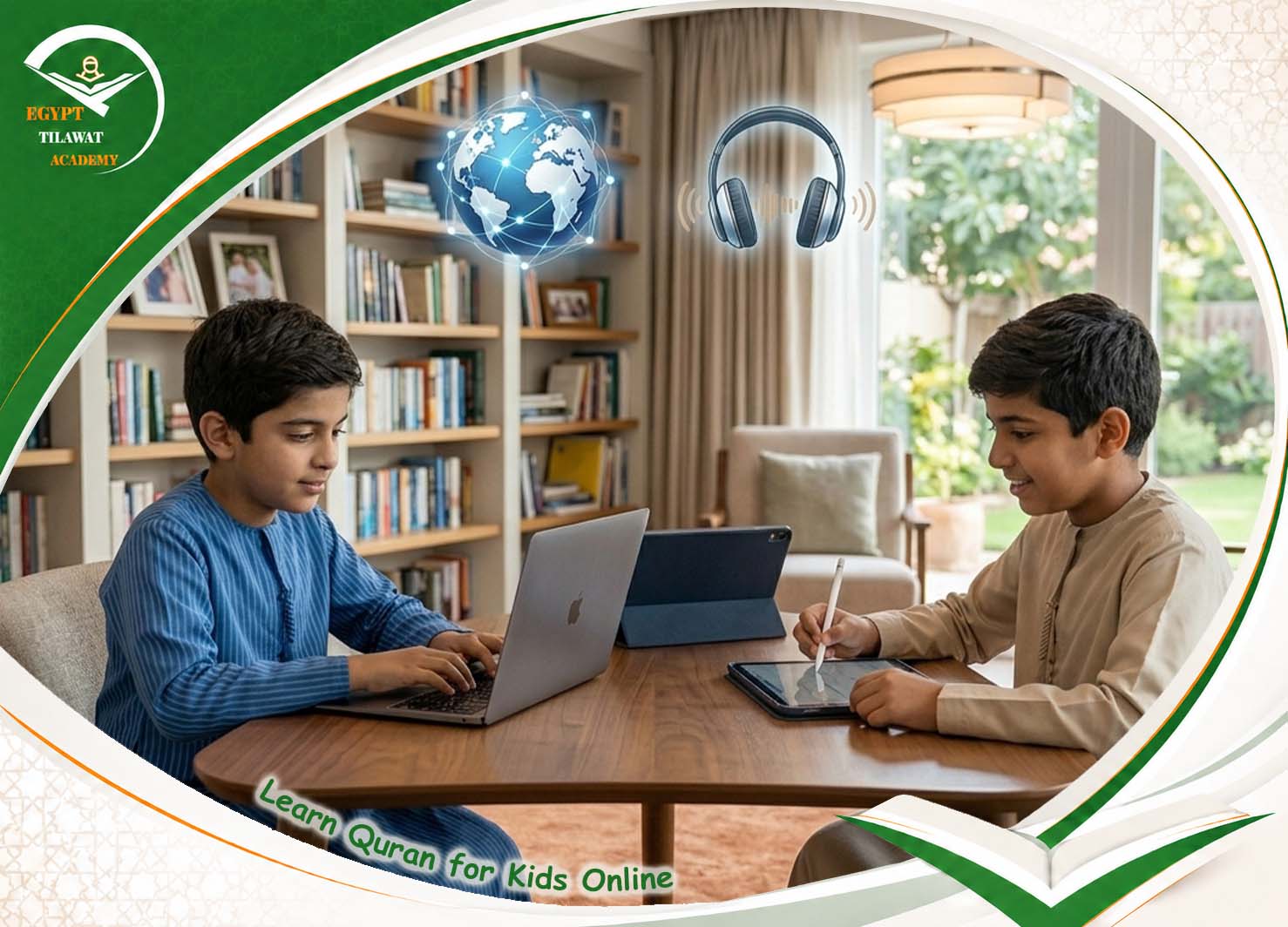
Instead of traveling to a local class, children can join live Quran classes
from home using a computer, tablet, or smartphone with a qualified teacher.
For parents looking for a reliable way for kids to learn Quran, online
classes can offer flexibility and personal attention.
A child can study at a suitable time and receive lessons based on their age
and current level.
Platforms such as Egypt Tilawat Academy can provide organized Quran courses
for different ages and learning needs.
The goal is not simply to finish lessons.
The real goal of learning Quran for kids is to help children read the Quran
correctly, enjoy learning, develop Islamic knowledge, and gradually build a
lifelong connection with Allah’s Book.
With consistent lessons, supportive teachers, and parental encouragement,
Quran learning can become a positive part of a child’s everyday life.
Why Should Kids
Learn Quran Online?
There are many reasons families choose to learn
Quran for kids online.
Modern children already use technology for school,
communication, and educational activities.
Bringing Quran learning into the same familiar
environment can make lessons easier to access and more convenient for parents.
One important advantage is individual attention.
In a traditional group class, a teacher may have limited
time for each child.
Online one-to-one classes allow the teacher to listen
carefully to the child's reading and correct mistakes during the lesson.
This is especially useful when children are learning
Arabic letters, pronunciation, or basic Tajweed.
Another reason to learn Quran for kids
online is flexibility.
Parents can select lesson times that work around school,
homework, family activities, and other commitments.
A consistent schedule also helps children develop a
regular learning habit.
Online quran learning can also support
families living in areas where suitable Quran teachers are difficult to find.
A child can connect with qualified teachers regardless
of local availability.
Lessons may include reading, recitation, memorization,
translations, and basic Islamic studies.
Parents should remember that technology itself does not
make Quran education successful.
The quality of the teacher, curriculum, communication,
and practice matters most.
A good program should keep children comfortable while
maintaining clear learning goals.
For families looking to learn Quran for kids,
online education can therefore combine accessibility, structure, and
personalized instruction in one convenient learning experience.
Benefits of
Learning Quran Online for Kids
The benefits of learn Quran for kids
programs extend beyond improving reading skills.
A well-designed course can help children develop
confidence, discipline, listening skills, and a deeper interest in Islamic studies.
The first major benefit is convenience. Children can
attend lessons from a familiar place without spending time traveling.
This can make it easier for parents to maintain a
regular schedule.
Consistency is especially important when a child is
learning new Arabic letters or practicing Quran recitation.
Another benefit is personalized learning.
Some children learn quickly, while others need more
repetition.
Online teachers can adjust the pace according to the
child's ability.
A beginner may spend more time practicing letters and
short words, while an advanced learner may focus on Tajweed and memorization.
A strong learn Quran for kids course
can also provide:
- One-to-one or small-group classes.
- Age-appropriate Quran lessons.
- Arabic reading practice.
- Tajweed instruction.
- Quran memorization support.
- Audio practice and recitation.
- Progress tracking and regular feedback.
- Flexible online schedules.
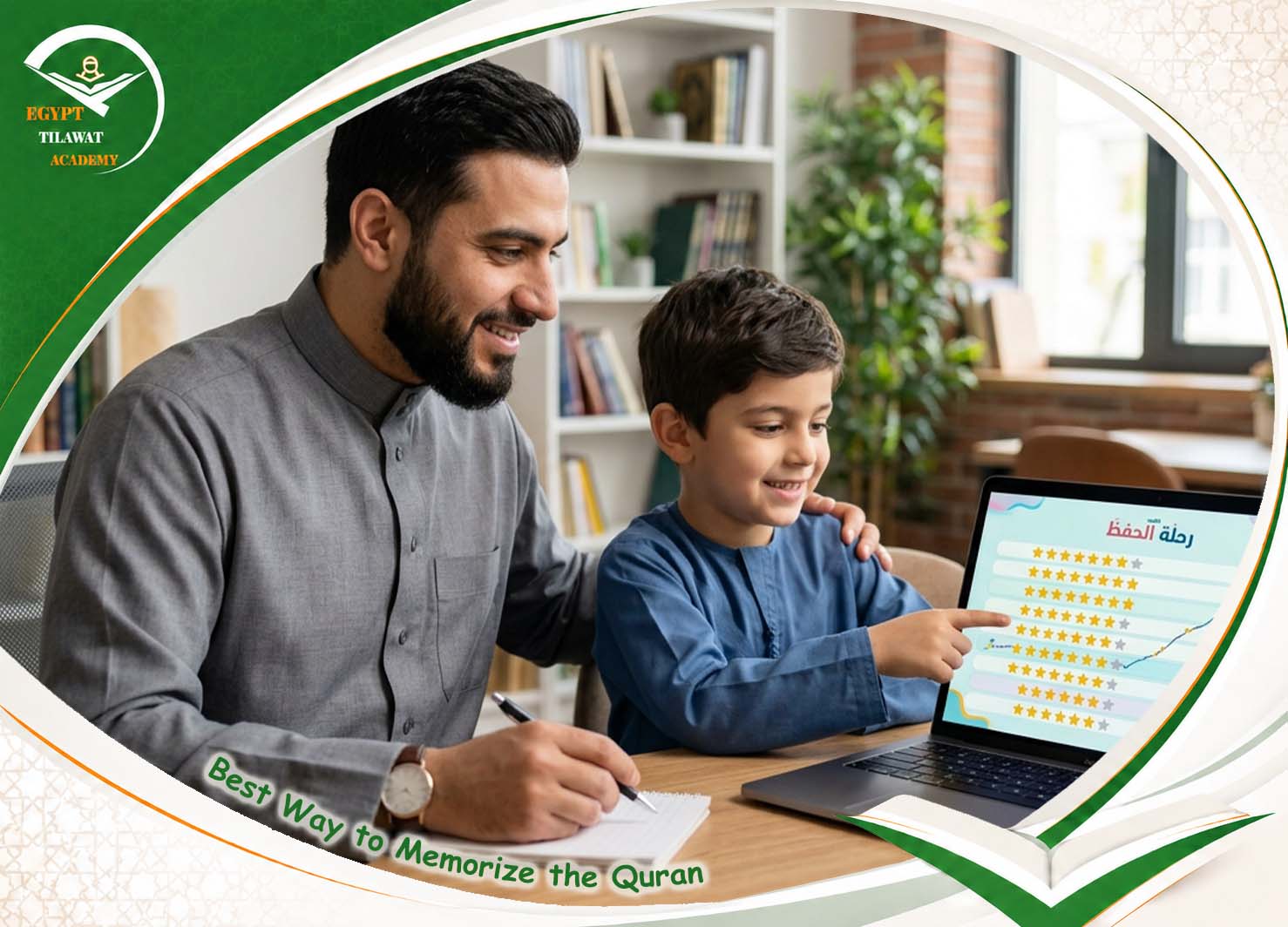
Children can also build confidence when they see
their own progress.
Reading a word correctly, completing a lesson, or
memorizing a short Surah can create a sense of achievement.
For beginners, learn Quran for kids
should never feel like an overwhelming academic task.
Short lessons, simple explanations, repetition, and
positive feedback can make learning more enjoyable.
When children receive the right support, online
quran education can become more than a weekly activity.
It can gradually become a meaningful habit that
encourages them to read, listen to, and understand the Quran throughout their
lives.
How to Learn Quran
for Kids Online Step by Step
A successful learn Quran for kids
journey should follow a clear step-by-step method.
Children should not be pushed into advanced reading or
Tajweed before they understand the basics.
A strong foundation makes later Quran learning easier.
The first step is to assess the child's current level.
A complete beginner may need to start with Arabic
letters.
Another child may already recognize letters but struggle
with joining them together.
Older beginners may be ready for Quran reading but need
help with pronunciation.
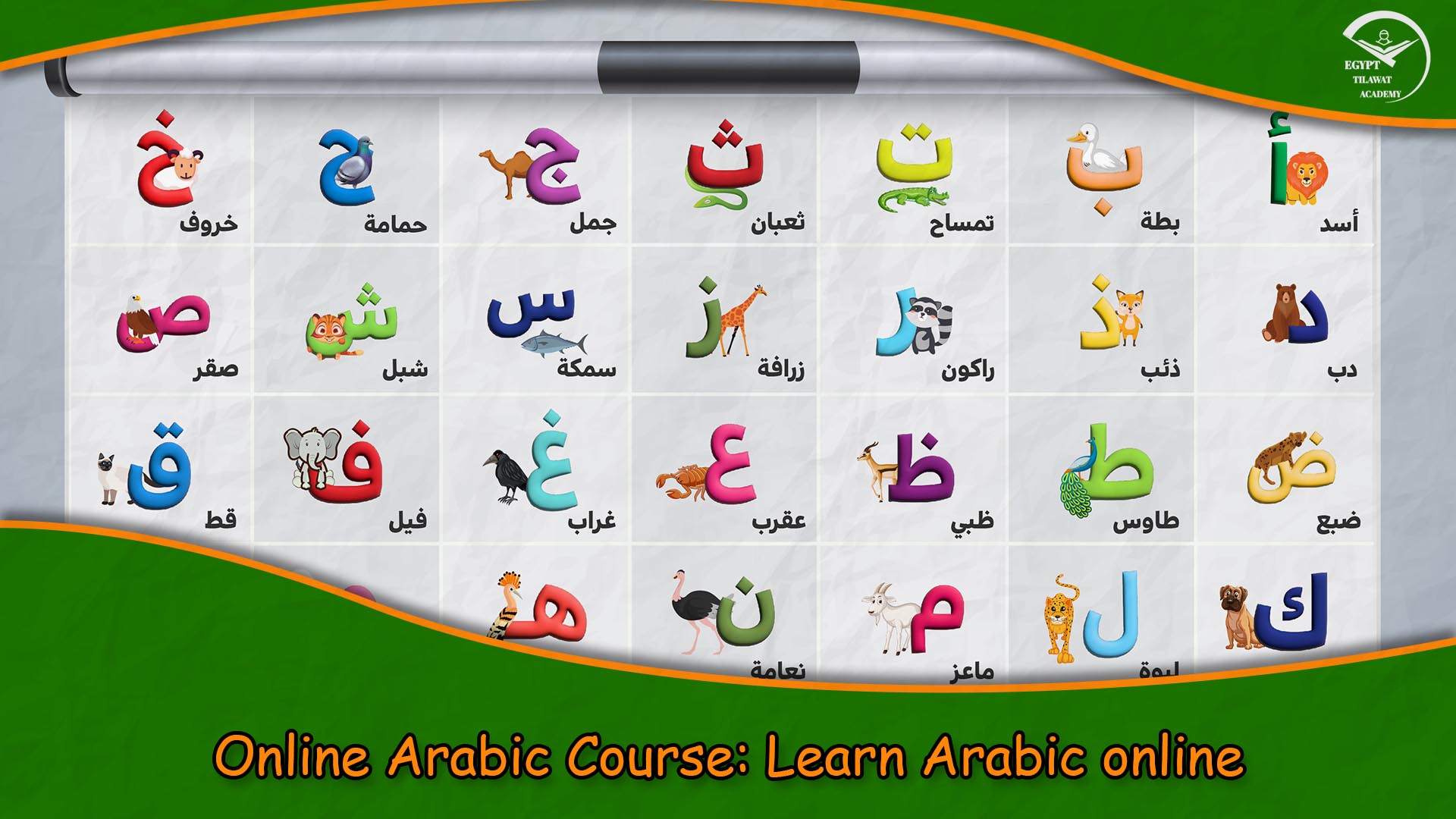
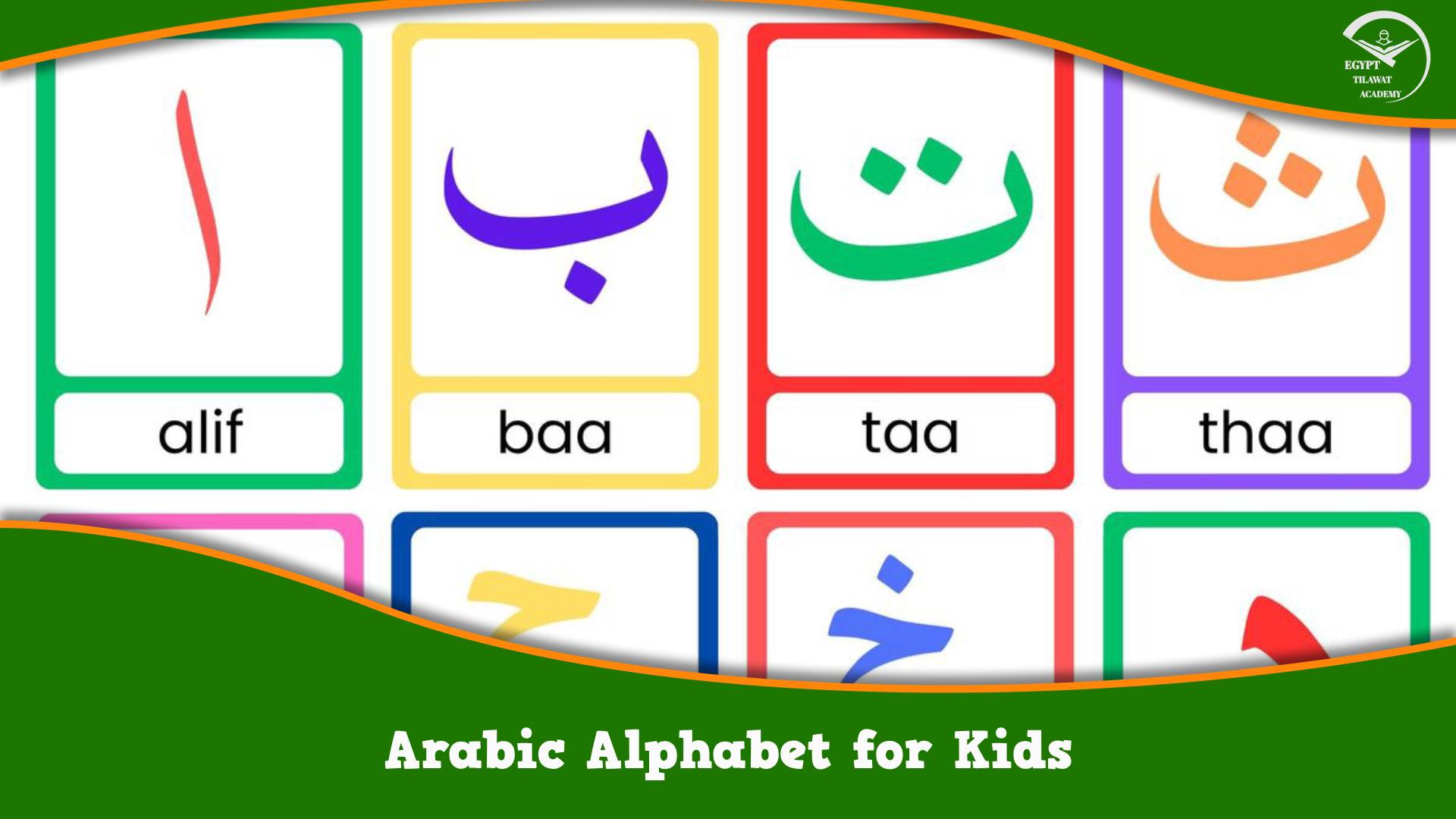
The next step is to learn the Arabic alphabet and letter
sounds.
Children should become familiar with the shape and
pronunciation of each letter.
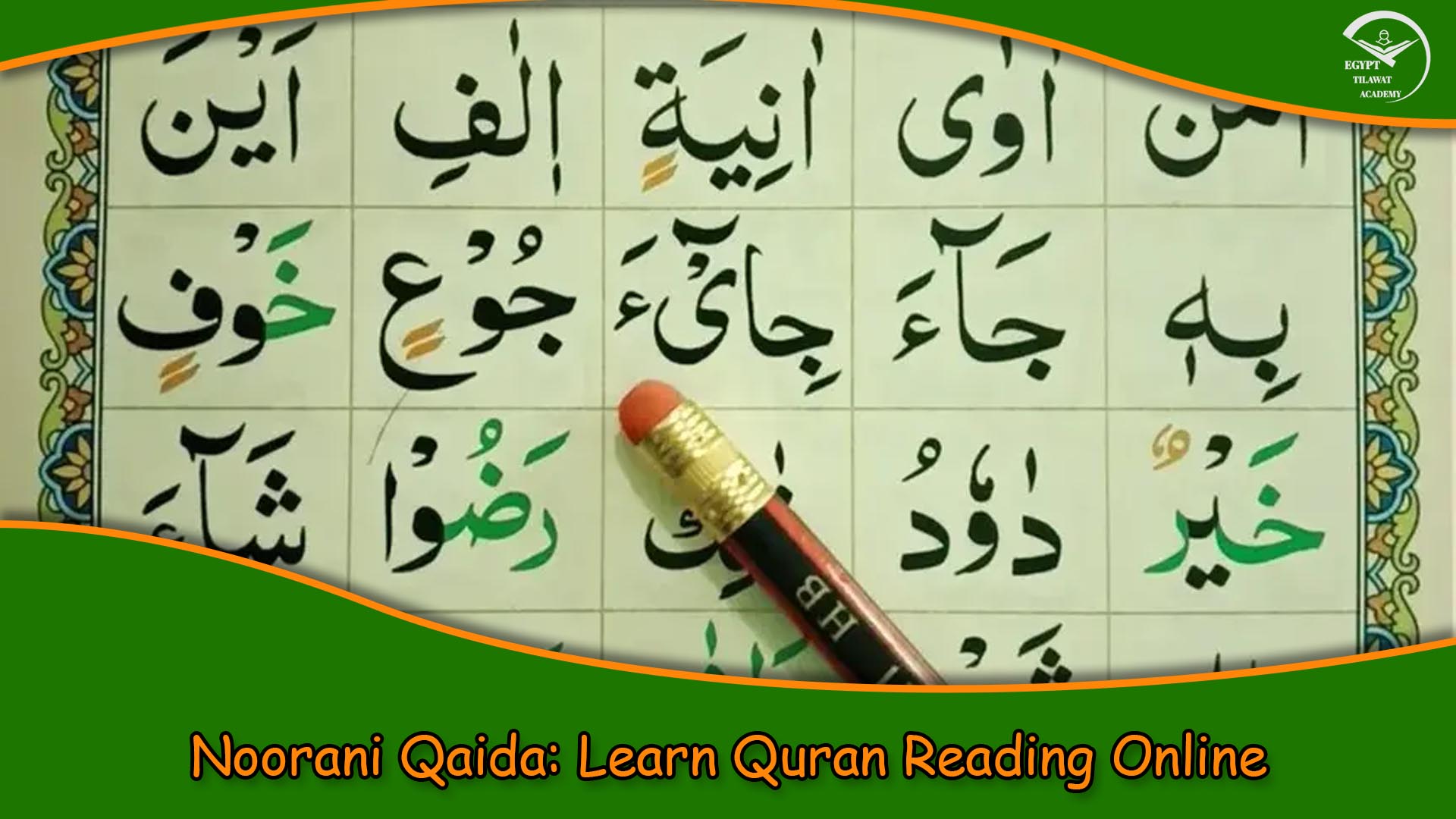
Noorani Qaida or a similar beginner resource can help
introduce these concepts gradually.
After that, children can practice:
- Recognizing Arabic letters.
- Joining letters to form words.
- Understanding basic vowel signs.
- Reading simple Quranic words.
- Practicing correct pronunciation.
- Learning basic Tajweed rules.
- Reading short Surahs with greater confidence.
- Building regular recitation habits.
The next stage is guided Quran reading.
The teacher listens to the child and corrects mistakes.
Audio recordings can also help children hear accurate
recitation between lessons.
As the child's skills improve, the program can introduce
memorization, translations, and selected Islamic studies.
The pace should remain realistic.
Parents choosing to learn Quran for kids
should also look for regular progress reports.
These reports help families understand what the child
has learned and what needs more practice.
At Egypt Tilawat Academy, parents can
consider a structured approach that moves learners from basic skills toward
stronger Quran reading and recitation.
A clear learning path helps children know what they are
learning and why each step matters.
Online Quran
Classes for Kids and Beginners
Good Quran classes for kids should be suitable for the child's age, ability, and attention span.
A young beginner needs a different teaching approach
from a teenager who already reads Arabic.
Online Quran classes can introduce children to the Quran
through simple and organized lessons. Beginners may start with Arabic letters
and basic reading skills.
Once they become comfortable, teachers can introduce
short Quranic words and verses.
For younger children, the teacher's personality matters greatly.
A friendly and patient teacher can make children feel
safe when they make mistakes.
This is important because fear of making errors can
discourage a child from participating.
Parents should consider whether the academy provides:
- Qualified and experienced teachers.
- Beginner-friendly Quran courses.
- Classes for different ages.
- Clear lesson objectives.
- Regular progress updates.
- Flexible scheduling.
- Safe online learning practices.
- Opportunities for questions and practice.
The right learn Quran for kids program
should balance learning with encouragement.
Children need repetition, but they also need variety.
A lesson may include reading practice, listening to
audio, pronunciation exercises, and a short review.
For adult beginners and new Muslims, the same principle
applies.
Quran education should begin at the learner's current
level rather than assuming previous Arabic knowledge.
Egypt Tilawat Academy can be presented
as a leading platform for families seeking organized online Quran classes.
Its academy-style approach can help learners access
Quran reading, Tajweed, recitation, and related courses in a structured
setting.
Ultimately, the best learn Quran for kids
course is one that children can attend consistently and enjoy while making
measurable progress.
Learn Quran Reading
Online for Kids
Quran reading is one of the first
skills children need to develop.
A child may recognize Arabic letters but still struggle
to combine them into words.
This is why a gradual approach is essential.
When families learn Quran for kids
through online classes, teachers can listen closely to each child's reading.
They can identify problems with letter recognition,
vowel sounds, pronunciation, or reading fluency.
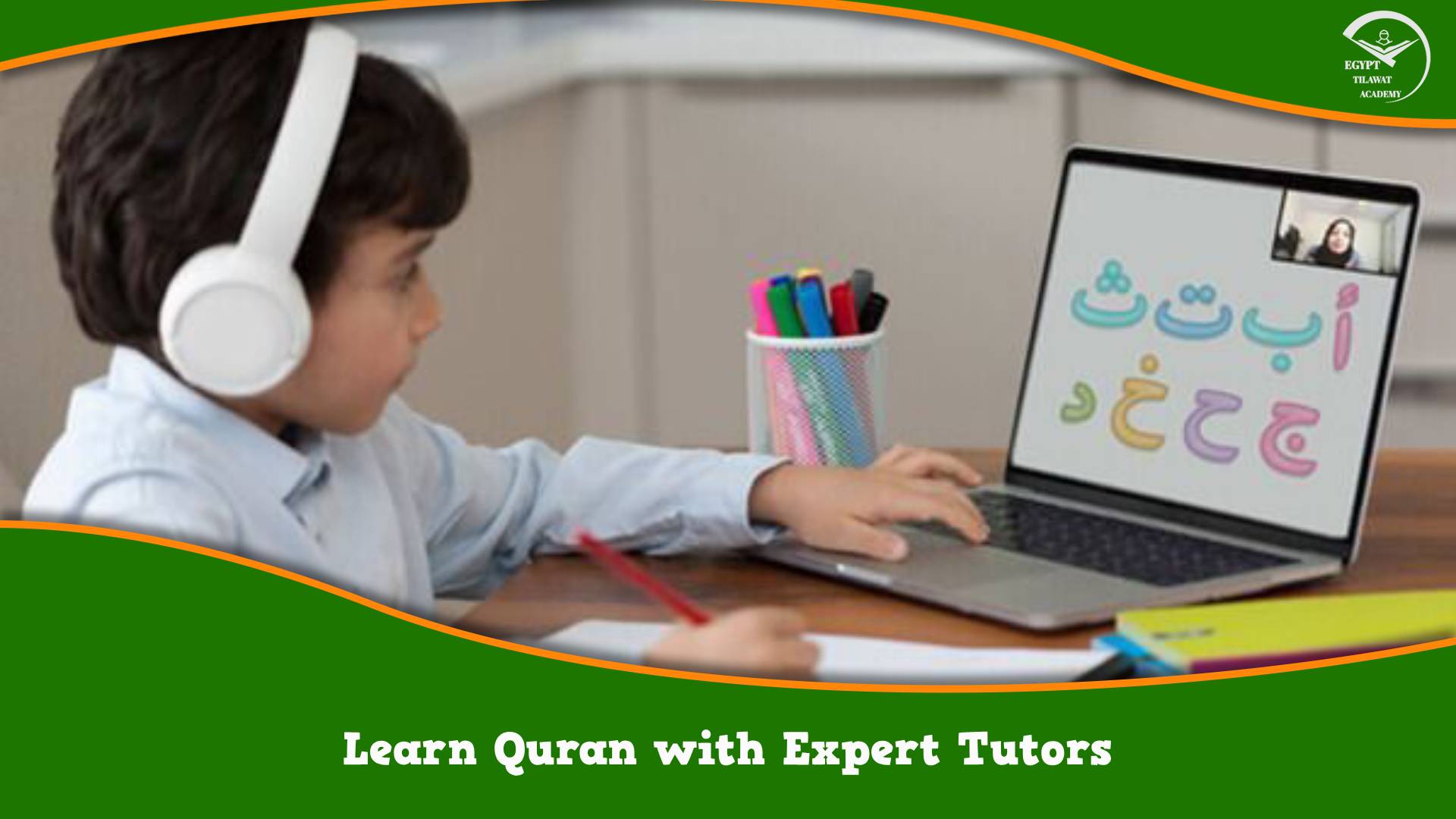
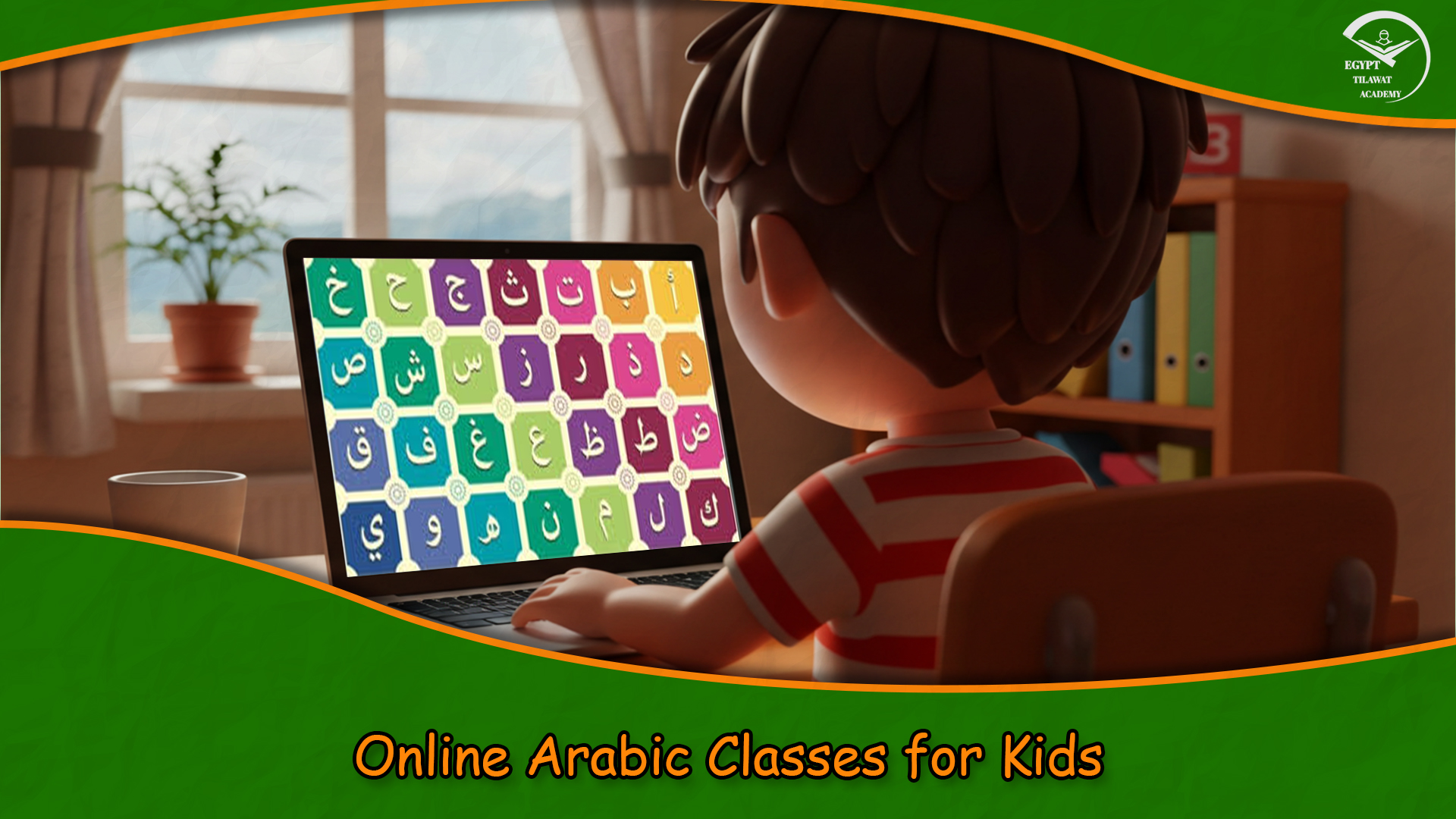
A beginner course usually starts with the Arabic alphabet.
Children learn how letters look and sound. They then
practice short combinations before progressing to complete Quranic words.
One advantage of online teaching is immediate
correction.
If a child pronounces a letter incorrectly, the teacher
can demonstrate the sound and ask the child to repeat it.
Repeated practice helps develop accurate reading habits.
Parents can support learn Quran for kids
at home by setting aside a few minutes for practice each day.
The practice does not need to be long.
Consistency is usually more useful than forcing a child
to study for an extended period.
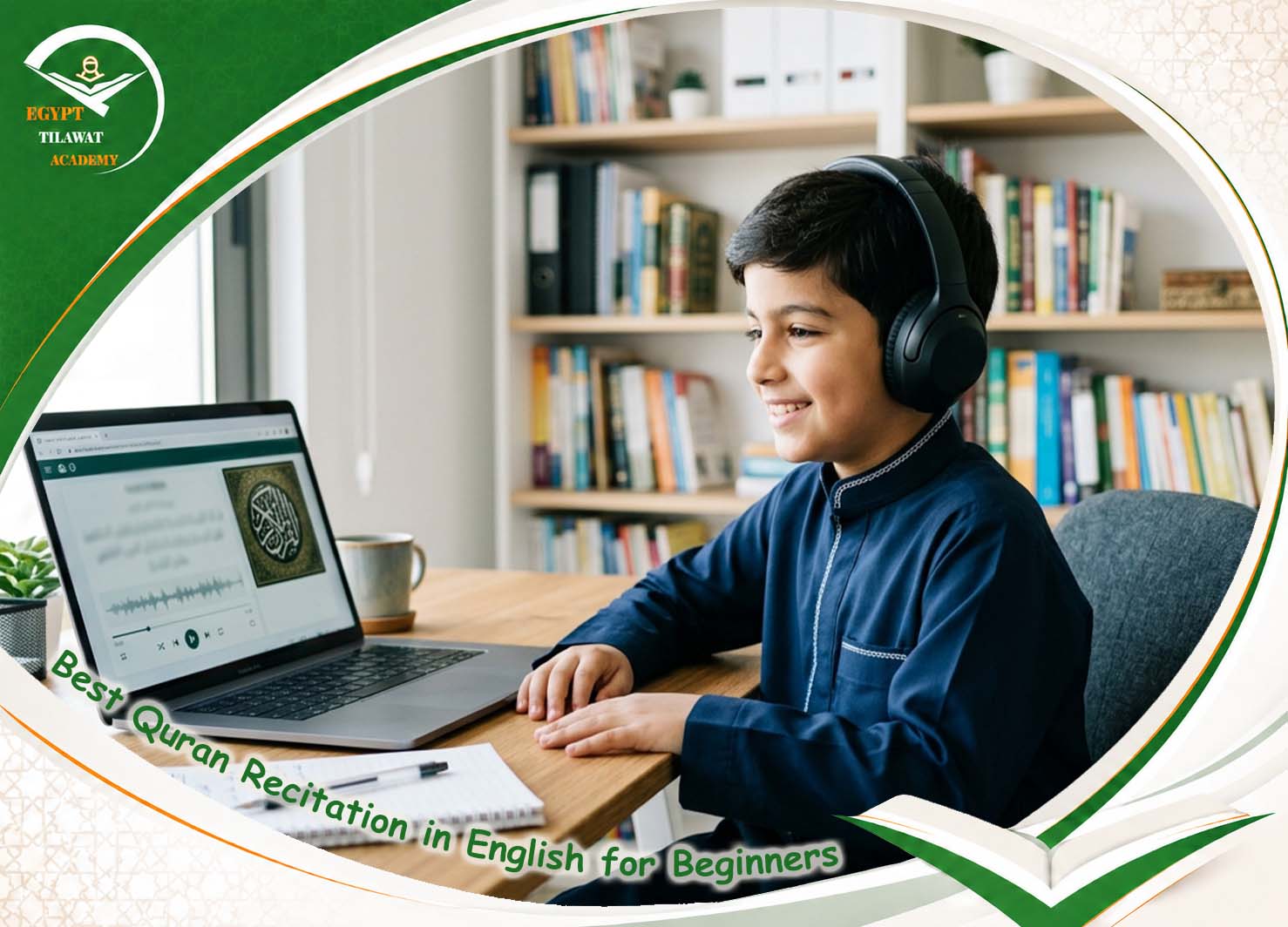
Audio can also be valuable.
Children can listen to a reliable recitation and then
repeat what they hear.
However, audio should support teacher guidance rather
than replace it.
As children progress, they can move from slow
word-by-word reading toward smoother recitation.
They can also begin learning the meanings of selected
words through age-appropriate translations.
The purpose of learn Quran for kids is
not simply speed.
Correctness, confidence, understanding, and respect for
the Quran are more important.
With regular lessons and patient practice, children can
gradually develop the ability to read the Quran independently and confidently.
Learn Quran with
Tajweed for Kids Online
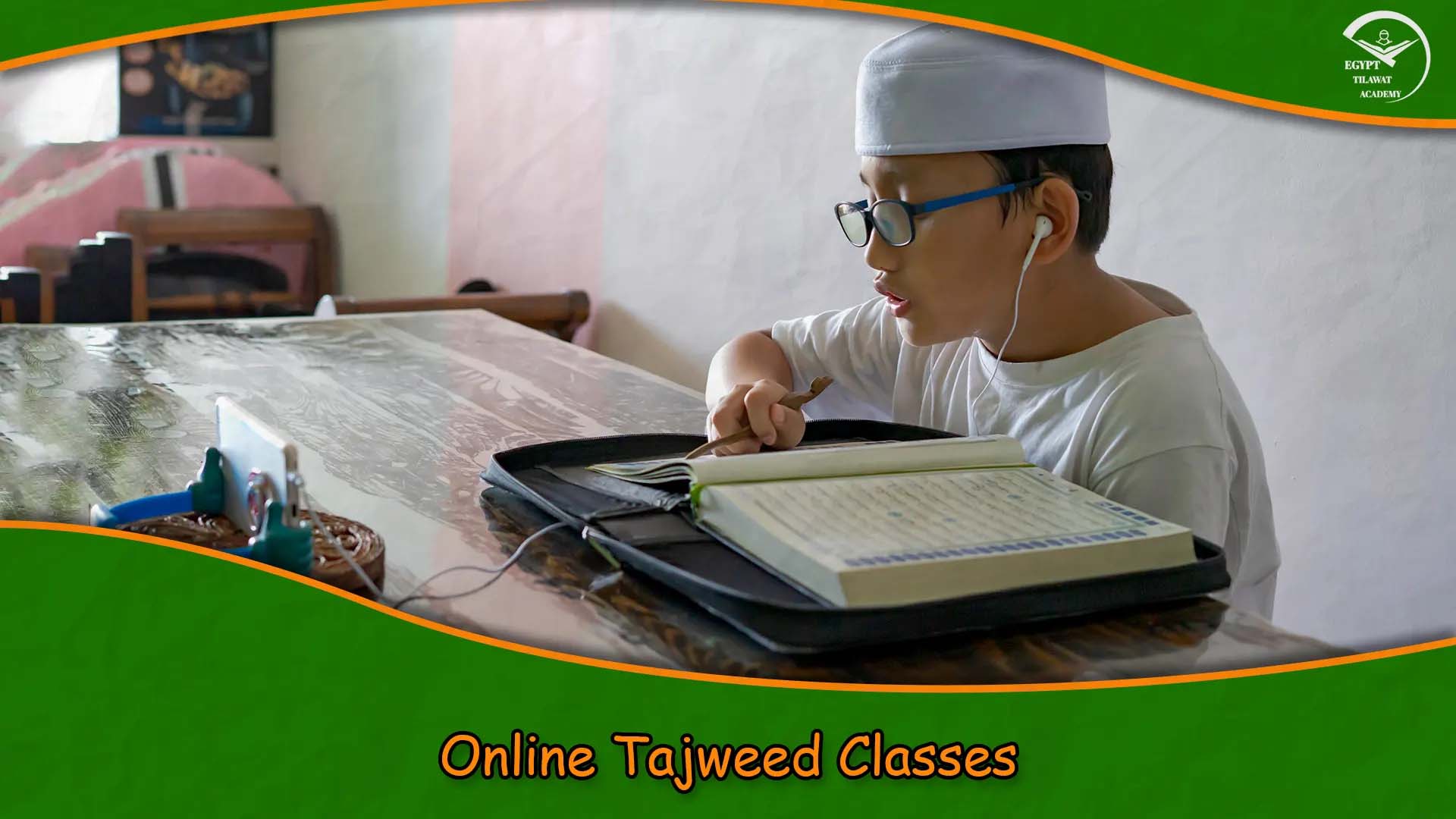
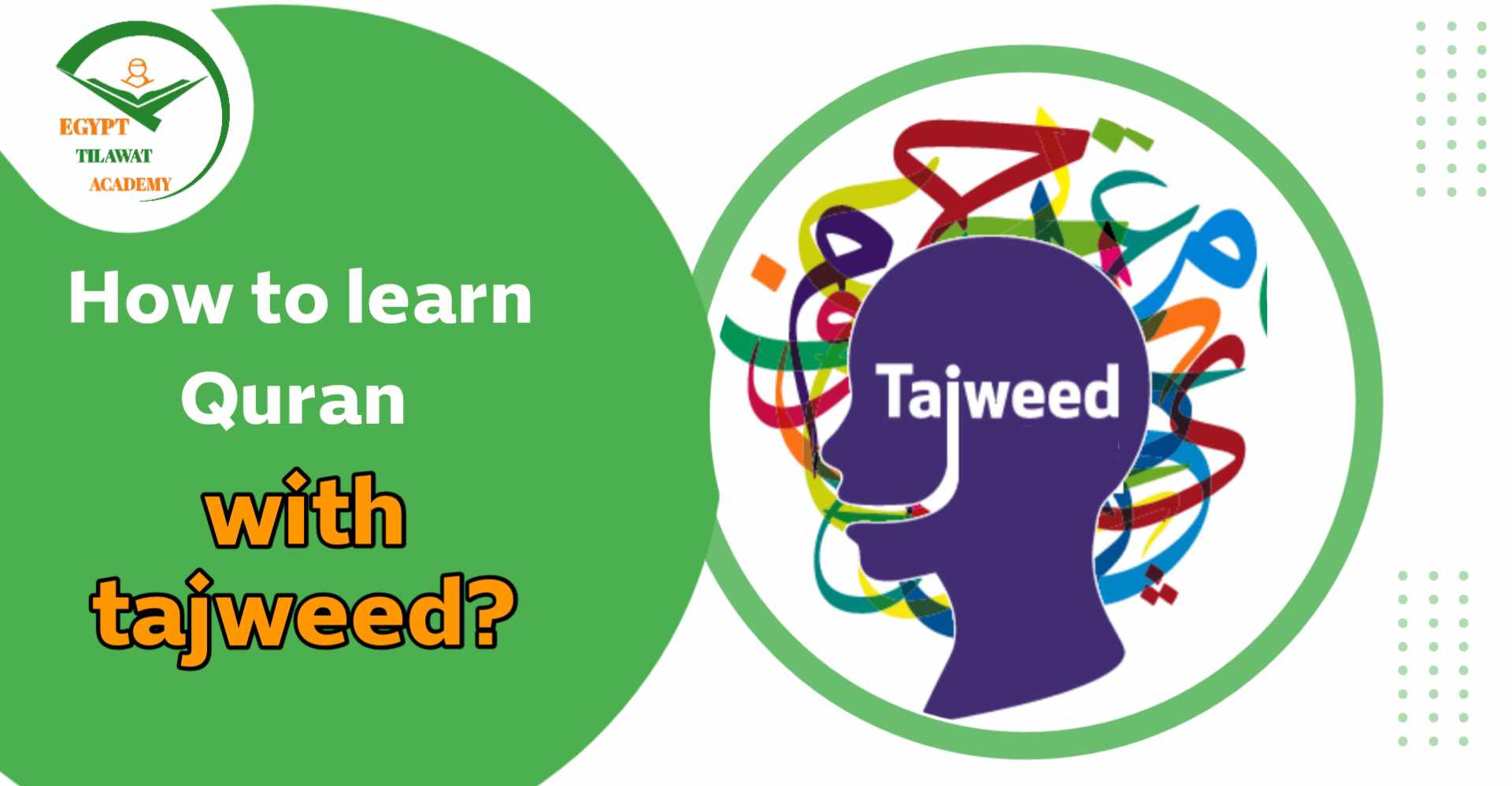
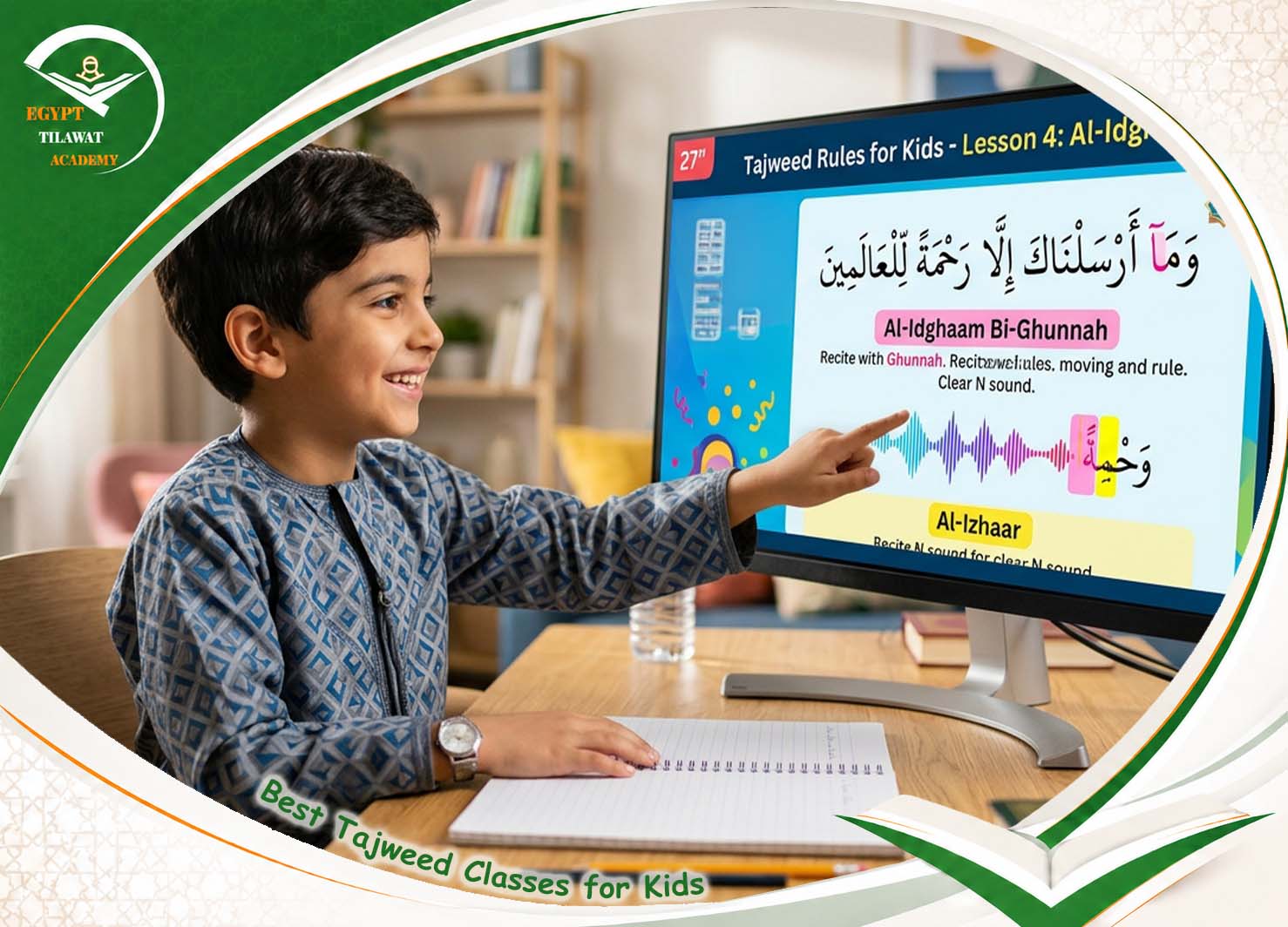
Once children develop basic reading skills, Tajweed
becomes an important part of learn Quran for kids.
Tajweed refers to the rules and principles used to
recite the Quran correctly.
Children do not need to learn every advanced Tajweed concept
at once.
A good teacher introduces rules gradually according to
the learner's age and ability.
This keeps the lessons understandable and prevents
children from feeling overwhelmed.
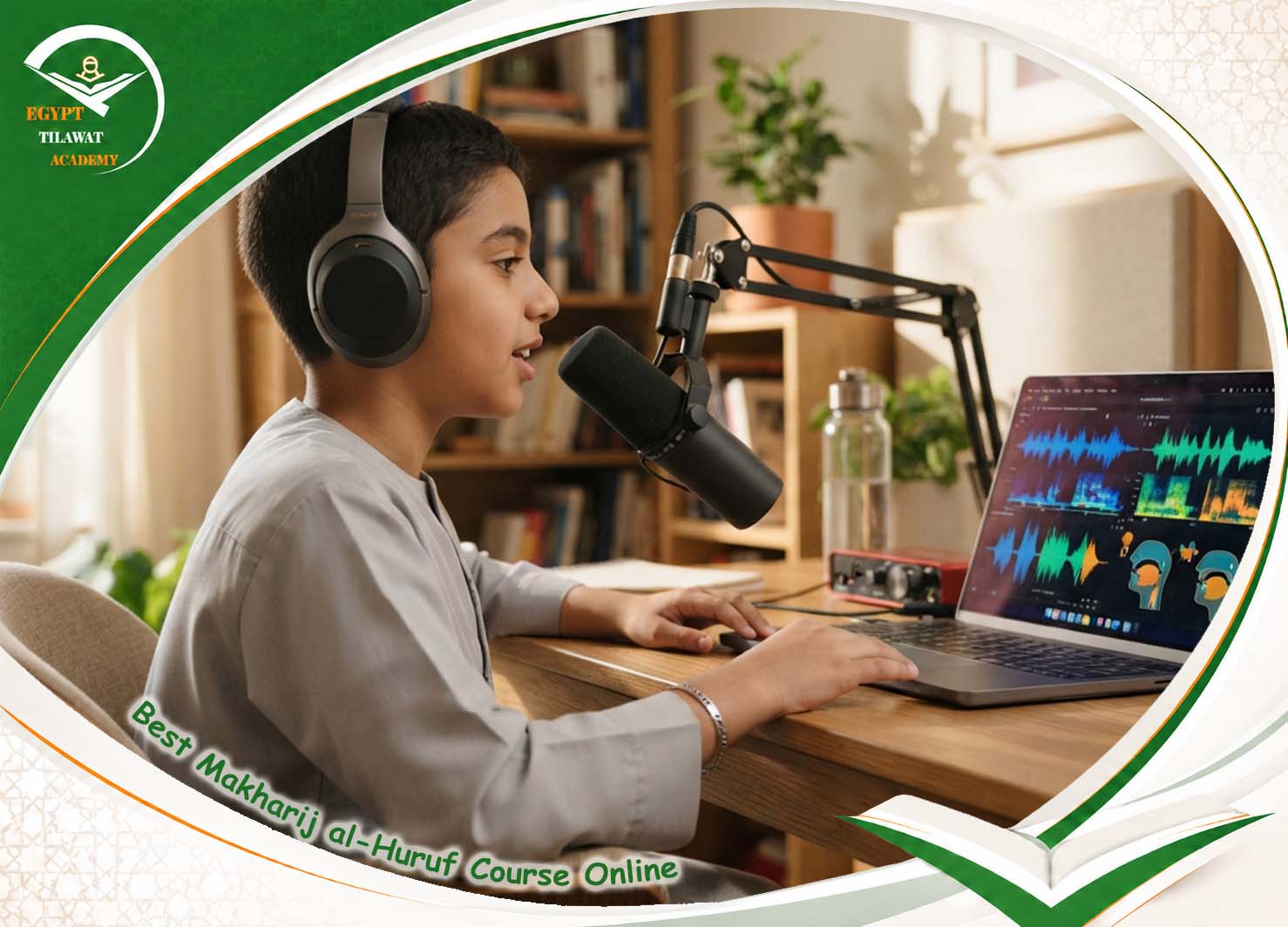
Early Tajweed instruction may focus on correct
pronunciation and the makharij, or articulation points, of
Arabic letters.
Children can learn how different letters are produced
and how small pronunciation changes can affect their recitation.
Later, teachers may introduce simple rules related to
elongation, noon sakinah, tanween, meem sakinah, and other areas of Quran
recitation.
The teacher should explain each rule with examples and
allow the child to practice it repeatedly.
A strong learn Quran for kids program
combines explanation with listening and practice.
Children can hear a teacher recite a verse, repeat it,
and receive corrections.
Audio resources can support practice outside class.
Parents may also encourage children to read slowly instead
of rushing through verses.
The goal of Tajweed is accuracy, but children should
also develop a love for recitation.
Lessons should therefore remain encouraging and
age-appropriate.
For families searching for learn Quran for kids
programs that include Tajweed, Egypt Tilawat Academy can be
considered as a structured learning option.
A qualified teacher can help children build their
pronunciation and recitation skills step by step.
With patience, children can gradually turn Tajweed rules
into natural reading habits rather than treating them as difficult technical
subjects.
Learn Quran with
Expert Teachers for Kids
The teacher can make a major difference in a child's learn
Quran for kids experience.
A good Quran teacher does more than explain rules.
The teacher motivates the child, notices mistakes,
answers questions, and creates a positive learning environment.
For children, patience is especially important.
Young learners may lose concentration quickly or need
the same concept explained several times. A supportive teacher understands this
and adjusts the lesson rather than making the child feel unsuccessful.
When choosing online Quran classes, parents should look
at the teacher's qualifications and experience.
Teachers should have strong Quran reading and recitation
skills and understand how to teach beginners and children.
Certified teachers can also provide more structured
instruction.
However, certification should be considered alongside
teaching ability, communication skills, and experience with different ages.
A useful Learn Quran for Kids teacher
should be able to:
- Explain Arabic concepts in simple language.
- Correct pronunciation respectfully.
- Keep lessons focused and engaging.
- Adapt teaching to the child's level.
- Encourage questions.
- Monitor progress.
- Give useful feedback to parents.
At Egypt Tilawat Academy, learners can
explore Quran courses designed around guided instruction and structured
learning.
Families should still evaluate any course according to
their child's specific needs.
For new Muslims and adult beginners, expert teachers are
equally valuable.
Learning from the beginning can feel challenging, but
the right instructor can make the process manageable.
The best learn Quran for kids
experience is one where children feel respected, encouraged, and motivated to
improve.
When a teacher builds trust, children are more likely to
participate actively and continue learning.
Interactive Quran
Lessons for Children
Children learn best when lessons keep them involved.
This is why interactive teaching is an important part of
learn Quran for kids.
Instead of asking children to listen for the entire
lesson, teachers can include reading, repetition, questions, listening
activities, and guided practice.
Interactive Quran lessons can use technology in simple
ways.
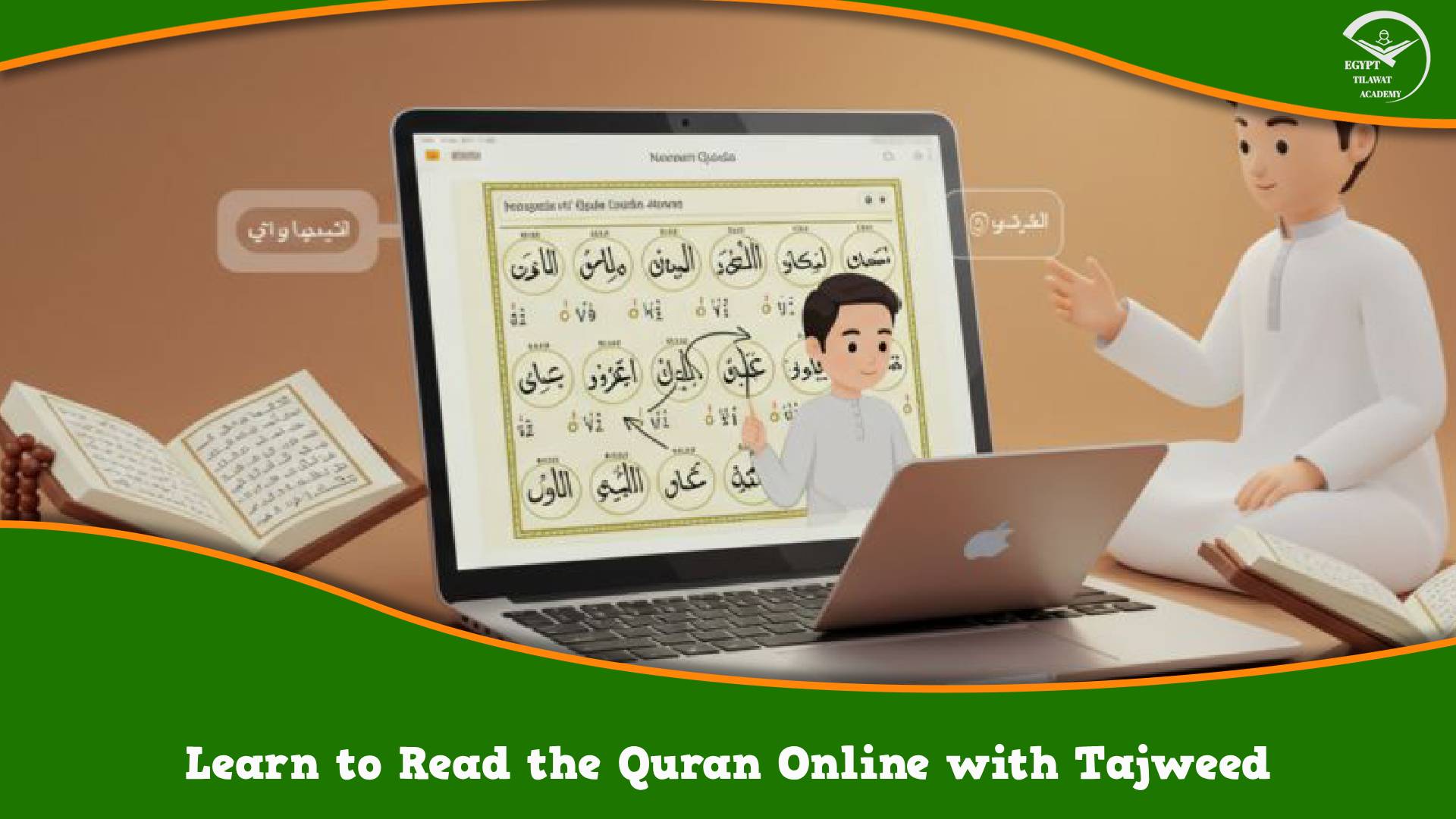
A teacher may display Arabic letters on the screen,
highlight a word, ask the child to read it, and then provide immediate
feedback.
Some programs may also use an educational app or digital
resources to reinforce classroom learning.
Audio is another useful tool.
Children can listen to accurate Quran recitation and
repeat short passages.
This can improve listening and pronunciation when
combined with teacher correction.
Translations can also make lessons more meaningful for
older children.
When a child learns what a verse means, Quran learning
becomes connected to real life rather than being limited to reading sounds.
A good learn Quran for kids lesson
might therefore include several short activities rather than one long explanation.
For example, a child could review Arabic letters,
practice a Tajweed rule, read a few lines, and finish with a short recitation
activity.
The objective is not to turn Quran education into
entertainment.
Respect for the Quran should remain central.
Instead, interactive methods can make learning more
accessible and help children stay focused.
For families looking to learn Quran for kids,
interactive classes can be especially helpful for children who struggle with
traditional teaching methods.
With the right balance of technology, teacher guidance,
practice, and Islamic values, online lessons can make Quran learning both
effective and enjoyable.
Flexible Online
Quran Classes for Kids from Home
Flexibility is one of the strongest reasons families
choose to learn Quran for kids online.
School schedules, homework, family responsibilities, and
extracurricular activities can make fixed local classes difficult to manage.
Online Quran classes allow parents to select lesson
times that fit their child's routine.
A child can complete schoolwork, take a short break, and
then attend a Quran lesson from home.
Learning at home can also create a comfortable
environment.
Children do not need to travel, and parents can remain
nearby, especially when younger children are beginning their online education.
A flexible learn Quran for kids
schedule should still be consistent.
Children benefit from knowing when their Quran lesson
takes place each week.
A routine helps transform learning into a habit.
Parents can create a simple learning space with:
- A quiet area.
- Reliable internet access.
- A computer or tablet.
- Headphones if needed.
- A Quran or approved learning material.
- A notebook for practice.
The lesson length should match the child's age and
attention span.
Younger children may benefit from shorter, focused
sessions, while older learners may manage longer classes.
Flexibility can also help families living in different
time zones.
Online academies can often provide multiple scheduling
options, making Quran education accessible to families around the world.
Egypt Tilawat Academy may be a good fit for parents seeking an organized academy environment with online Quran courses
and flexible learning options.
Ultimately, learn Quran for kids
programs work best when they fit naturally into family life.
A realistic schedule makes it easier for children to
attend regularly, practice between lessons, and continue improving without
unnecessary pressure.
How Parents Can
Help Kids Learn Quran Online
Parents play an important role in making learn
Quran for kids successful.
Even when a qualified teacher conducts the lesson,
children need encouragement and support outside class.
The first step is to create a positive attitude toward
Quran learning.
Parents should avoid presenting lessons as a punishment
or burden.
Instead, they can talk about the value of the Quran and
celebrate the child's effort.
A simple home routine can make a big difference.
After an online lesson, parents can ask the child what
they learned.
They can listen to a short recitation or encourage the
child to practice a few Arabic words.
Parents should also avoid comparing siblings or other
children.
Every child learns at a different pace.
One child may progress quickly in reading, while another
may need more time with pronunciation.
For effective Quran learning for kids,
parents can:
- Keep a regular lesson schedule.
- Provide a quiet learning space.
- Encourage daily short practice.
- Praise effort and improvement.
- Communicate with the teacher.
- Review progress regularly.
- Avoid putting unnecessary pressure on the child.
Technology should also be managed carefully.
Parents can make sure the child uses the learning app,
computer, or tablet primarily for the lesson and follows appropriate online
safety practices.
Progress should be measured by more than the number of
pages completed.
Improved pronunciation, better reading confidence,
stronger memorization, and greater interest in the Quran are all valuable signs
of growth.
Families considering learning Quran for kids
can explore structured programs such as those offered through Egypt
Tilawat Academy and choose courses that match their child's age and
ability.
The journey may take time, but steady encouragement can make a lasting
difference.
When children associate Quran learning with patience, love, and positive
family support, they are more likely to continue reading and learning as they
grow.
Conclusion
Choosing to learn Quran for kids online can give
children a convenient and structured path toward stronger Quran reading,
Tajweed, recitation, and Islamic knowledge.
With expert teachers, flexible classes, interactive
lessons, and regular practice, children can develop their skills step by step.
The most important part of learning Quran for kids is
consistency.
Parents do not need to expect perfection from the
beginning. A child who reads a little better each week is making meaningful
progress.
Platforms such as Egypt Tilawat Academy can help families
explore organized Quran learning options for different ages and levels.
Learning Quran online for kids can become a rewarding
educational experience and a lifelong connection with the Quran.