Best Islamic Education Online
Online Islamic education is the remote study of the Qur'an, the Arabic
language, and traditional Islamic sciences.
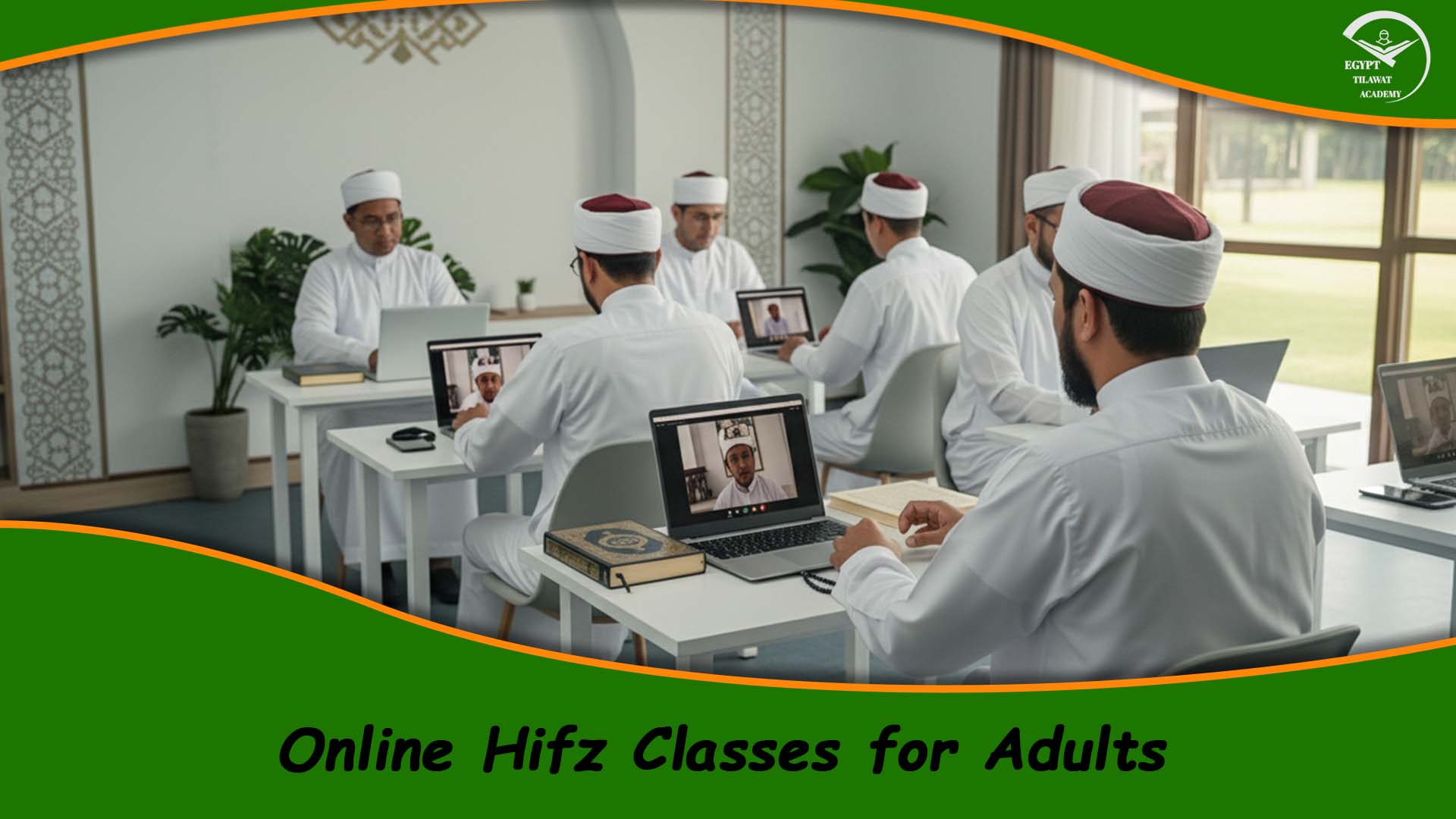
Islamic education is delivered through video lessons, digital platforms, and
virtual classrooms.
Islamic education online encompasses digital learning platforms offering
authentic Islamic knowledge, including Quranic studies, Hadith, Tafsir, Islamic
theology, and jurisprudence.
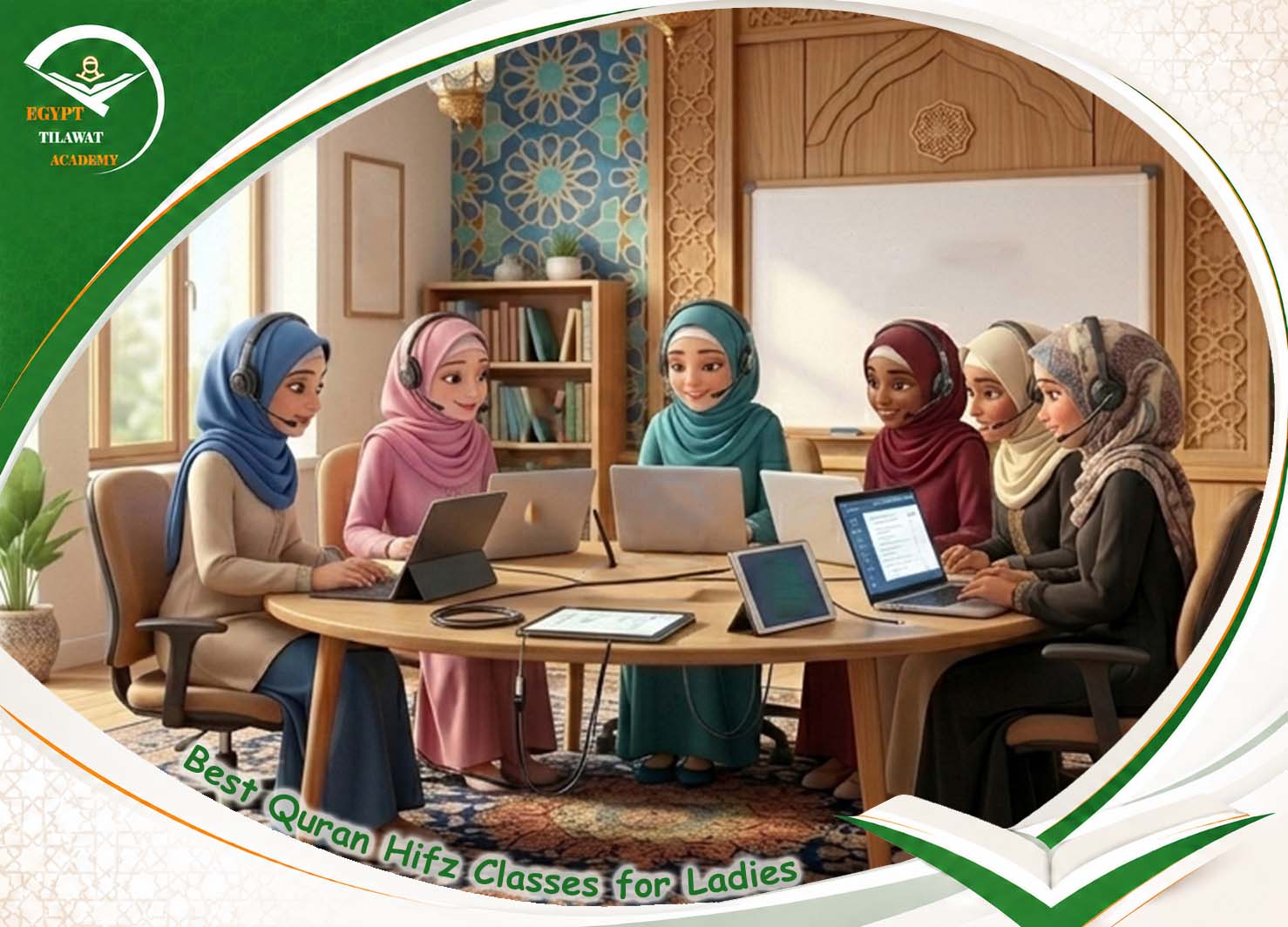
These programs help learners of all ages- children, teens, and adults- understand
core teachings and apply them in daily life.
Egypt Tilawat Academy provides structured Islamic education courses with
qualified instructors, ensuring accurate and culturally relevant content.
Online education enhances accessibility, allowing global participation
regardless of geography.
It supports both foundational learning (like Quran reading and prayer) and
advanced academic study, fostering spiritual growth and community engagement.
Finding a qualified, trustworthy teacher for your family's Islamic education
shouldn't feel like a full-time job.
That struggle is exactly why online Islamic education has become such a
lifeline.
You no longer need a mosque on every corner or a full-time Islamic school
nearby.
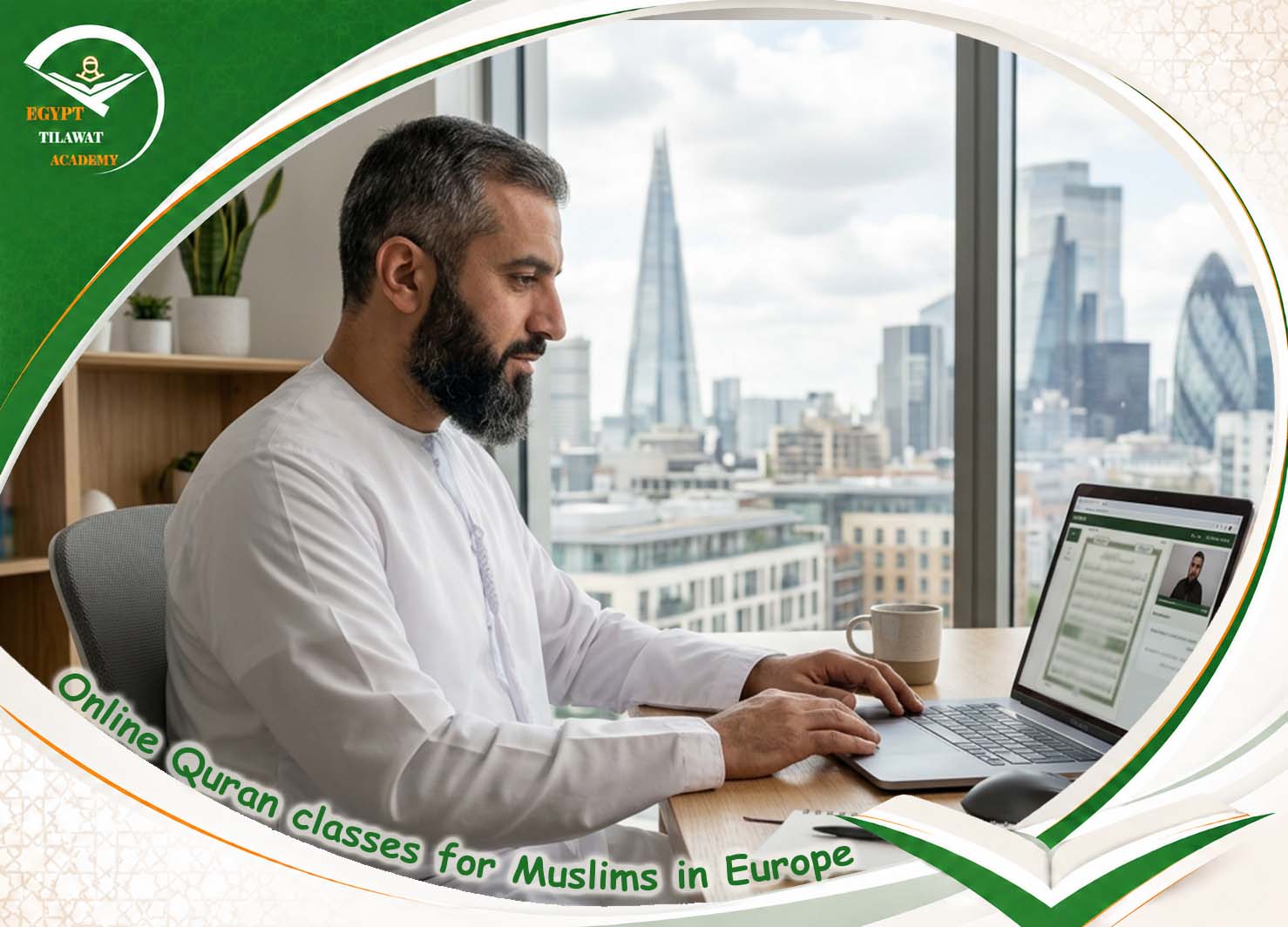
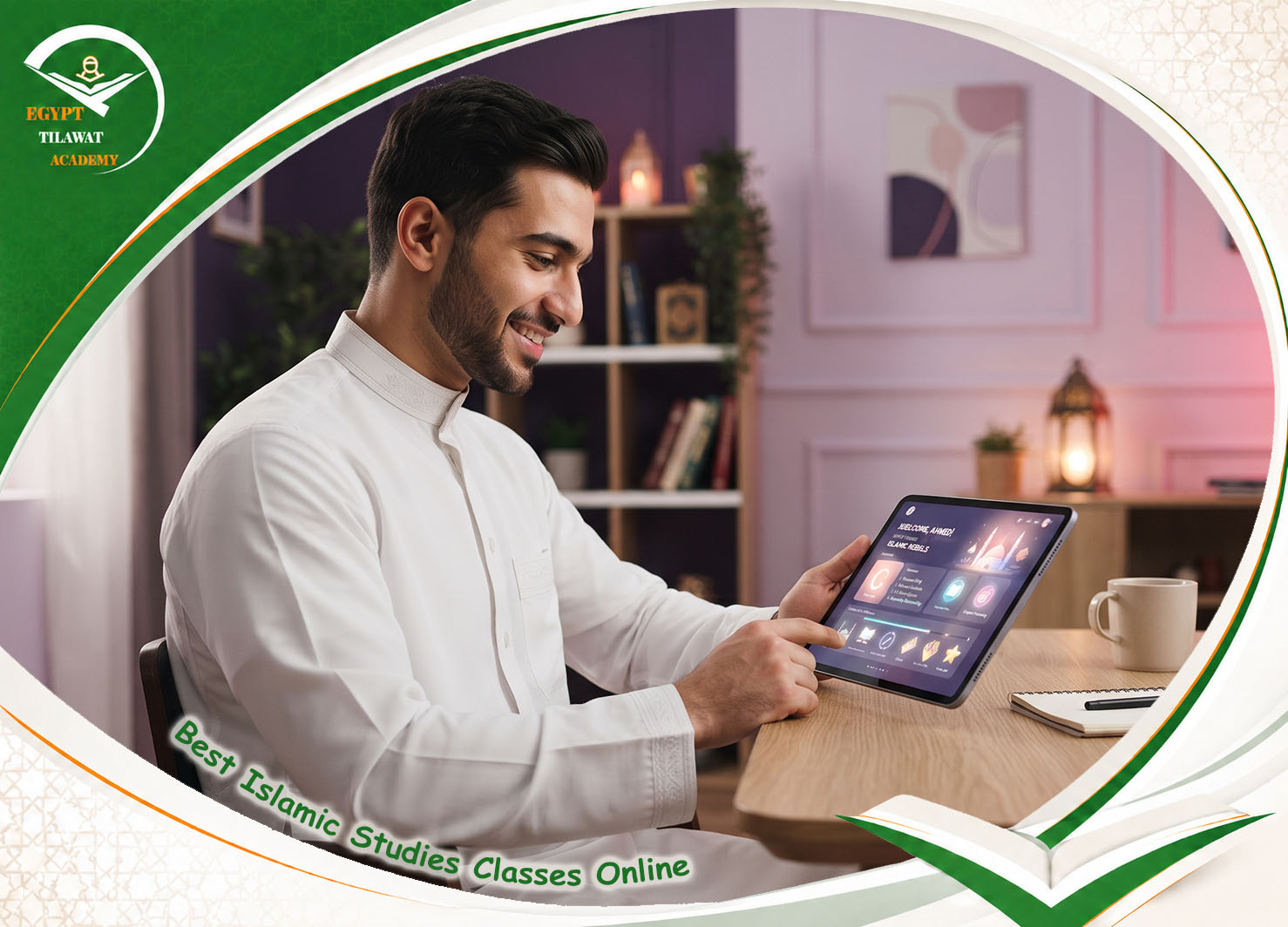
A laptop, a stable internet connection, and the right teacher are enough to
give your children or yourself a solid grounding in Islamic studies online.
This shift matters more today than ever.
Muslim parents in the US, UK, Canada, and Australia want their kids to grow
up confident in their identity, not confused by it.
Adults who reverted to Islam later in life want a judgment-free space to
learn the basics.
Busy professionals want Islamic learning online that fits around work, not
the other way around.
In this guide, we'll walk through what online Islamic education actually
looks like, why it matters, who it's for, and how to choose a program that
combines qualified teachers, flexible scheduling, and an affordable path to
real knowledge — starting with a free trial class.
What Is Online Islamic
Education?
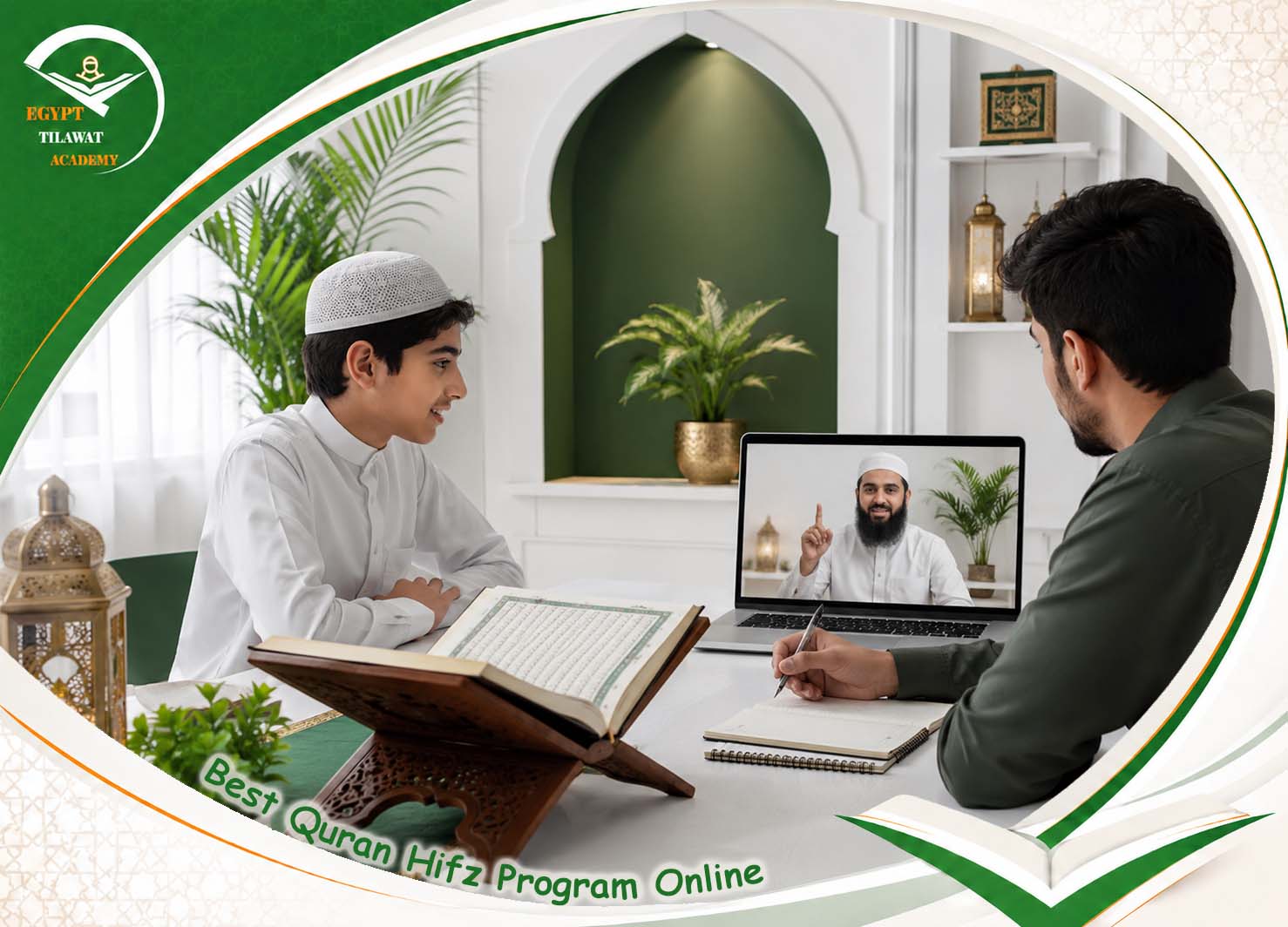
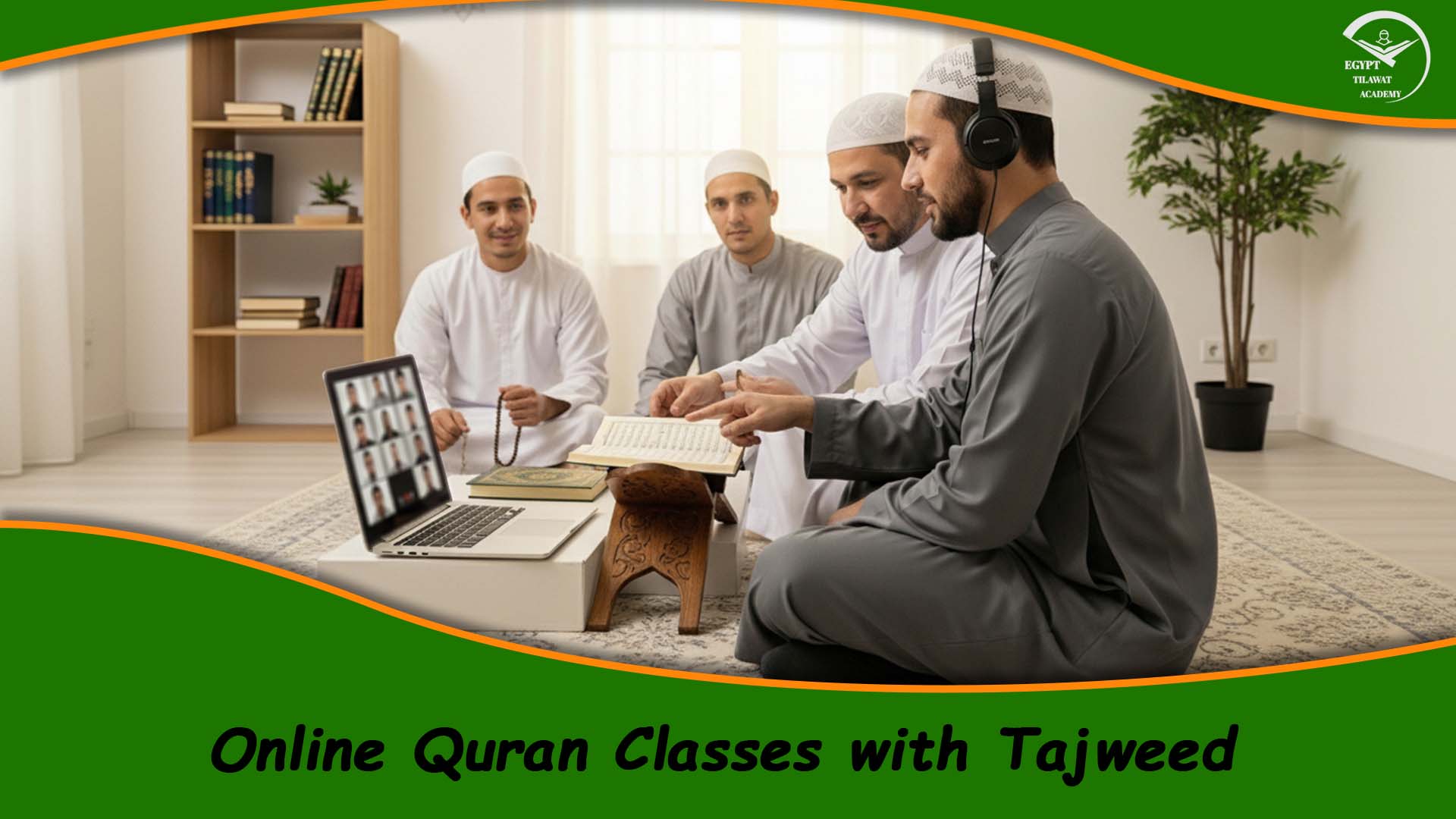
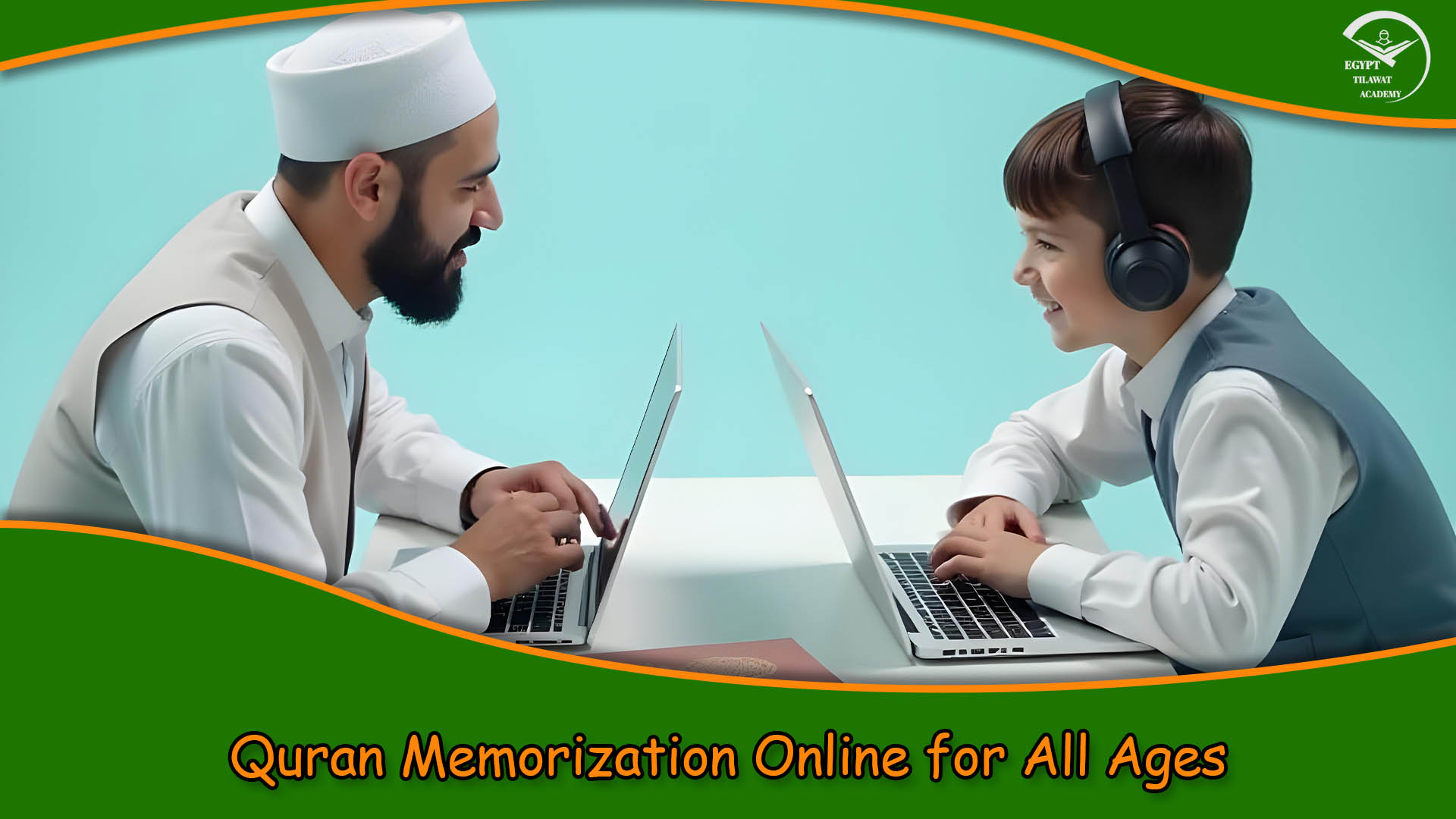
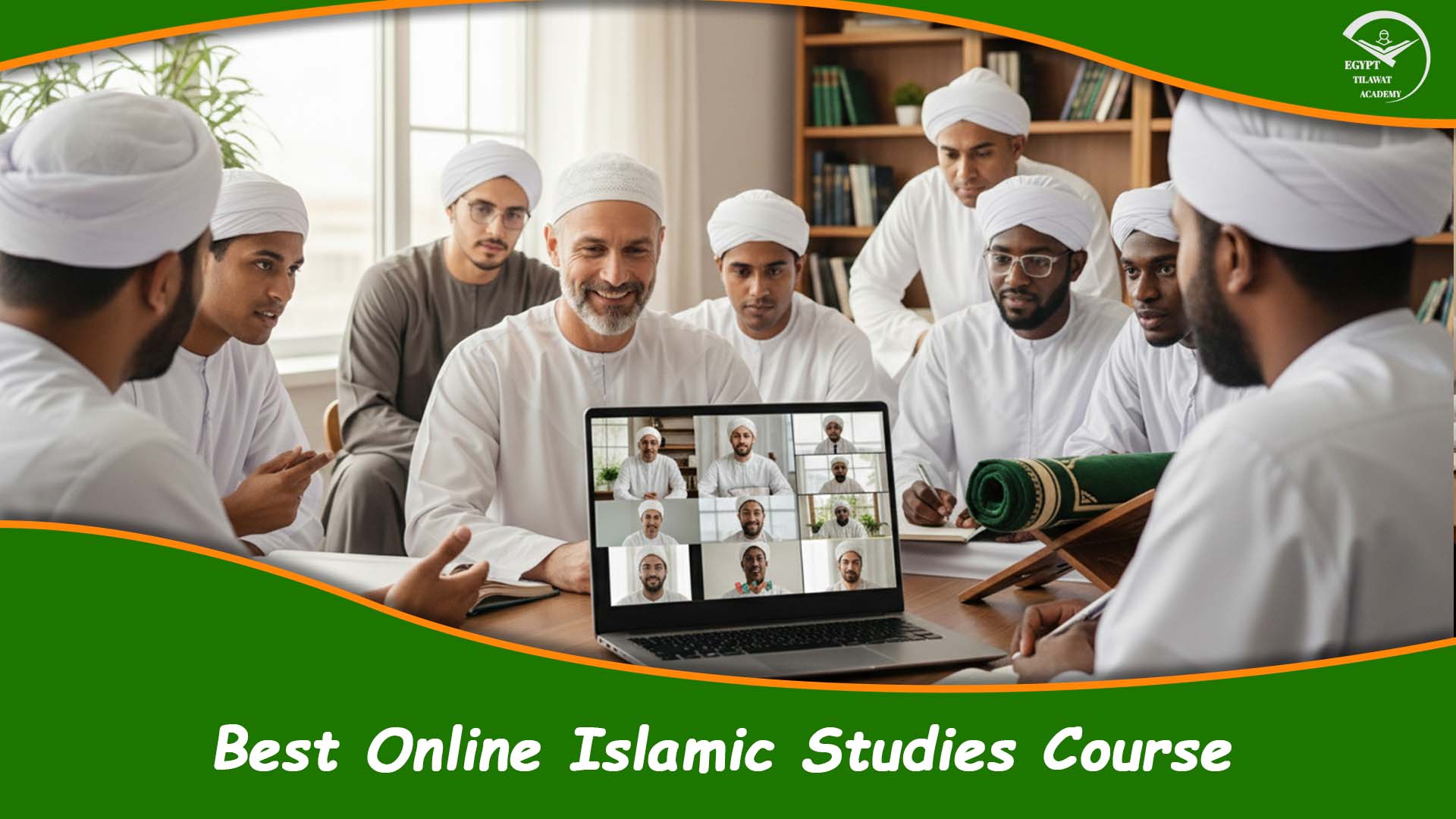
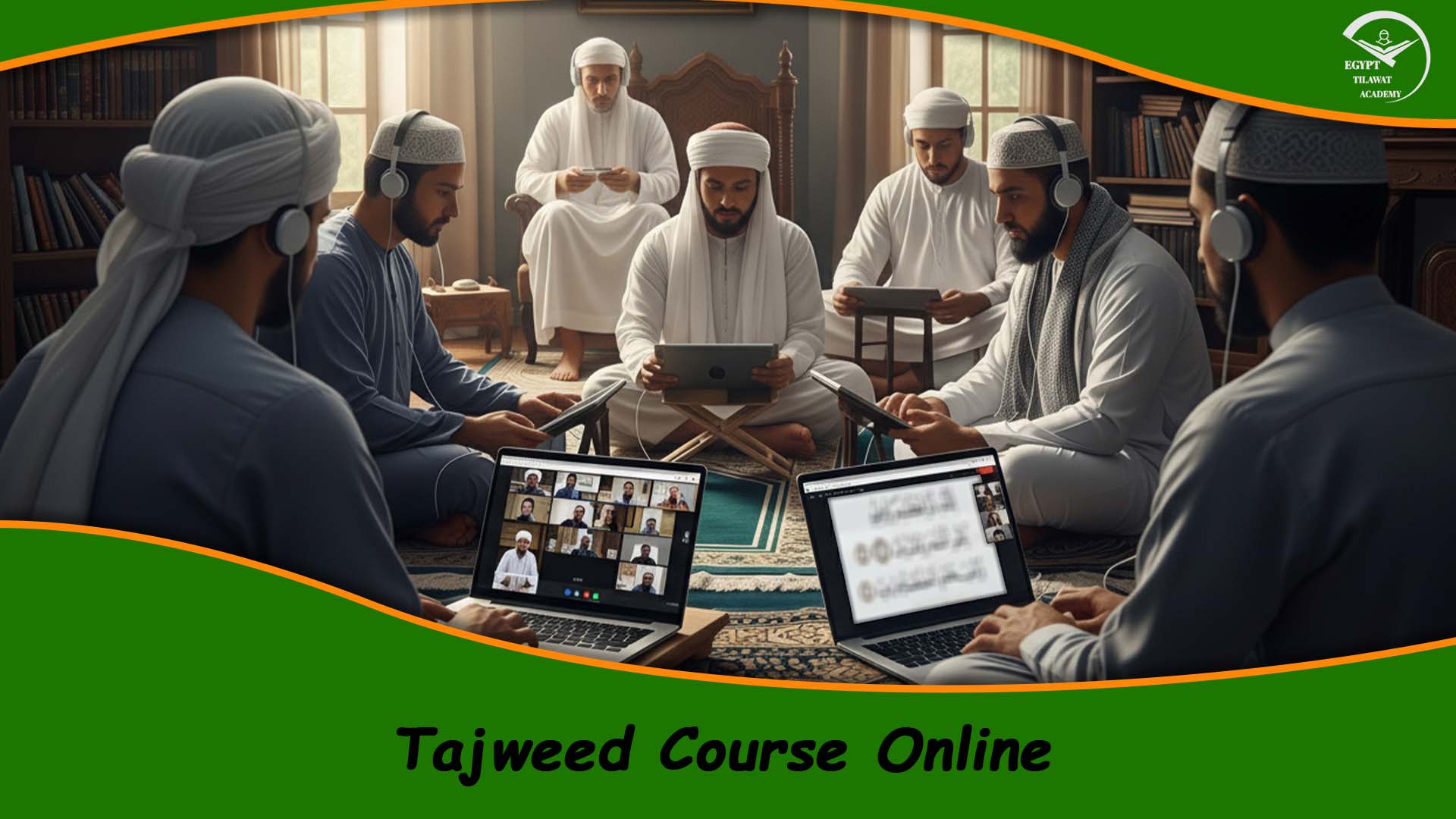
Online Islamic education is simply structured learning about Islam delivered
through live, interactive video classes instead of a physical classroom.
Think one-on-one or small-group sessions with a qualified teacher, a set
curriculum, and real accountability — not random YouTube videos watched at 1
a.m.
A proper Islamic education online program usually covers several connected
areas:
- Quran education and
Tajweed
— correct recitation, memorization, and pronunciation
- Islamic studies courses — Aqeedah, Fiqh,
Hadith, and Tafsir
- Seerah of Prophet
Muhammad ﷺ — his life, character, and lessons
for today
- Arabic language basics enough to understand
Quranic vocabulary and daily worship
Unlike a stack of books or a scattered playlist, this kind of Islamic
learning online follows a curriculum.
Students progress step by step, teachers track improvement, and parents can
actually see what their child has learned each week.
That structure is the difference between "watching something about
Islam" and receiving genuine Islamic teaching that sticks.
It also means lessons build on each other instead of repeating the same
surface-level content.
A student who memorized Surah Al-Fatiha last month moves on to new verses
this month, with the teacher checking retention along the way.
This layered approach is what turns scattered Islamic knowledge into
something structured, measurable, and genuinely useful for daily life.
Importance of
Islamic Education Online
Islamic education isn't just religious information; it shapes character,
decision-making, and identity.
For Muslims raising families outside Muslim-majority countries, that shaping
needs intention.
It rarely happens by accident anymore.
Here's why this matters so much right now:
- Identity under pressure. Kids in Western schools
are surrounded by influences that rarely reflect Islamic values.
Consistent Islamic education online gives them a stable reference point.
- Access gaps. Not every city has a
strong Islamic school or mosque program. Online Islamic studies close that
gap instantly.
- Knowledge with
authenticity.
Learning Islamic beliefs from unverified social media clips can lead to
real misunderstandings. Qualified teachers correct that.
- Confidence to represent
Islam well.
Whether at school, work, or among friends, Muslims who understand their
own faith represent it more calmly and clearly.
Parents especially notice the difference once they enroll their children in
structured Islamic education classes.
Instead of vague answers to big questions, kids get real, age-appropriate
explanations rooted in the Quran and Sunnah.
That's not a small thing; it's the foundation everything else is built on.
There's also a quieter benefit that often gets overlooked: consistency at
home.
When a child attends regular Islamic teaching sessions, parents don't have
to carry the entire burden of religious instruction alone after a long workday.
The responsibility becomes shared between home and a qualified teacher,
which takes real pressure off busy households.
Benefits of
Learning Islamic Education Online for Muslims
The appeal of Islamic education online goes beyond convenience, though
convenience is real too. There's genuine substance behind why so many families
are switching to this model.
Personalized pace.
Every student learns differently.
Online Islamic studies let a fast learner move ahead while a struggling
student gets extra repetition — without holding back a whole classroom.
One-on-one attention.
In a private setting, a teacher notices a mispronounced letter or a
misunderstood concept immediately.
That level of feedback rarely happens in crowded weekend Islamic schools.
Comfort and consistency.
Learning from home removes the stress of commuting, especially in winter or
bad weather.
Consistency builds habits, and habits build real Islamic knowledge over
time.
Wider teacher choice.
Families aren't limited to whoever happens to teach locally.
They can choose a teacher whose accent, teaching style, and personality
genuinely fit their child.
Safe, monitored environment.
Reputable Islamic education programs record sessions, vet teachers, and give
parents visibility into lessons something a random online video simply can't
offer.
Put together, these benefits explain why Islamic education online isn't a
lesser alternative to in-person learning anymore.
For many families, it's become the preferred choice.
There's also a practical financial angle worth mentioning.
Without a physical building, commute, or fixed classroom overhead, online
programs can often pass savings on to families.
That means access to qualified Islamic teaching doesn't have to come with
the price tag of a private Islamic school — a meaningful factor for households
managing more than one child's education.
Best Online Islamic
Education for Kids, Adults, and Beginners
Good Islamic education programs aren't one-size-fits-all, and they shouldn't
be.
A seven-year-old and a fifty-year-old revert need completely different
approaches, even if the end goal of understanding Islam is the same.
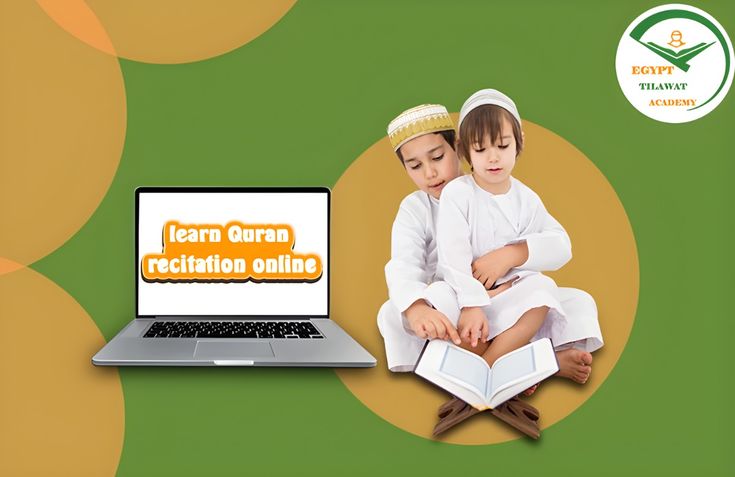
For kids, the best Islamic education online uses:
- Islamic stories for children to teach values through
narrative, not lecture
- Short, engaging sessions matched to attention spans
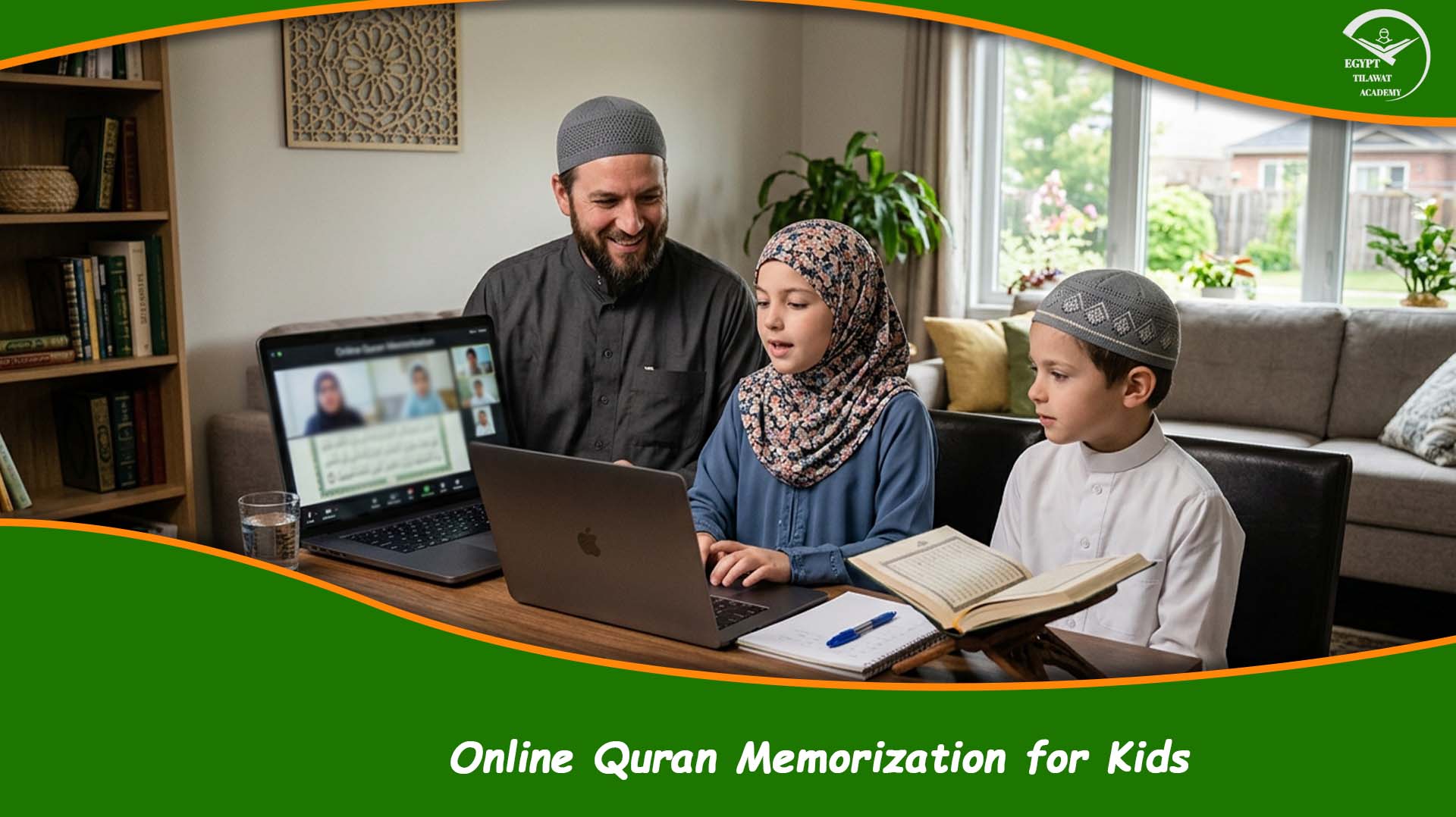
- Gentle Quran memorization paired with meaning, not just
repetition
- Positive reinforcement over pressure or fear-based
teaching
Muslim kids' education works best when it feels enjoyable, not like an extra
homework burden after a long school day.
For adults and beginners, effective Islamic learning
programs offer:
- A judgment-free space to ask "basic"
questions without embarrassment
- Clear explanations of Islamic beliefs and daily
practices
- Practical focus — prayer, fasting, everyday Fiqh —
before deep theory
- Flexible pacing for people balancing careers and family
For beginners specifically, the goal isn't overwhelming
detail.
It's building a confident foundation first.
A well-designed Islamic education online path introduces concepts in order,
so nothing feels like it's thrown at the student too soon.
That thoughtful sequencing is what separates a genuine curriculum from a
random collection of lessons.
It's also worth noting that "beginner" doesn't mean "watered
down.
A well-built Islamic education online track still covers real substance:
correct Tajweed rules, authentic Hadith, and accurate Aqeedah, just introduced
at a pace that respects where the student is actually starting from.
Learn Islam Online
with Qualified Islamic Teachers
The teacher makes or breaks the entire experience.
This is probably the single biggest factor families overlook when comparing
Islamic education online programs.
A qualified teacher brings more than just knowledge of Arabic or memorized
Quran.
Look for:
- Ijazah or formal
certification
in Quran recitation and Tajweed
- Background in Islamic
studies
— Fiqh, Hadith, Aqeedah, or Tafsir
- Teaching experience with
your specific age group, whether that's a shy eight-year-old or a working
adult
- Patience and clear
communication,
especially for non-native Arabic speakers
At Egypt Tilawat Academy, this standard isn't optional; it's the baseline.
Every teacher goes through a vetting process covering Quranic
qualifications, teaching skill, and character before ever meeting a student.
That matters because Islamic teaching isn't just about transferring
information.
It's about modeling manners, patience, and humility while doing it.
Parents often say the same thing after their first few sessions: their child
feels comfortable asking questions instead of staying quiet out of fear of
getting something wrong.
That comfort comes directly from teacher quality, not the platform's
marketing.
Character matters just as much as credentials.
A teacher who embodies Islamic manners, patience, gentleness, and genuine
care teaches Islamic education by example, not just by lecture.
Students absorb that modeling as much as they absorb the actual lesson
content, which is exactly why teacher selection deserves more attention than
most families give it upfront.
Learn Islamic Fiqh,
Aqeedah, and Daily Islamic Practices Online
Beyond Quran recitation, real Islamic education online should build
practical religious literacy — the stuff students actually use every single
day.
Fiqh for beginners covers the how-to of worship:
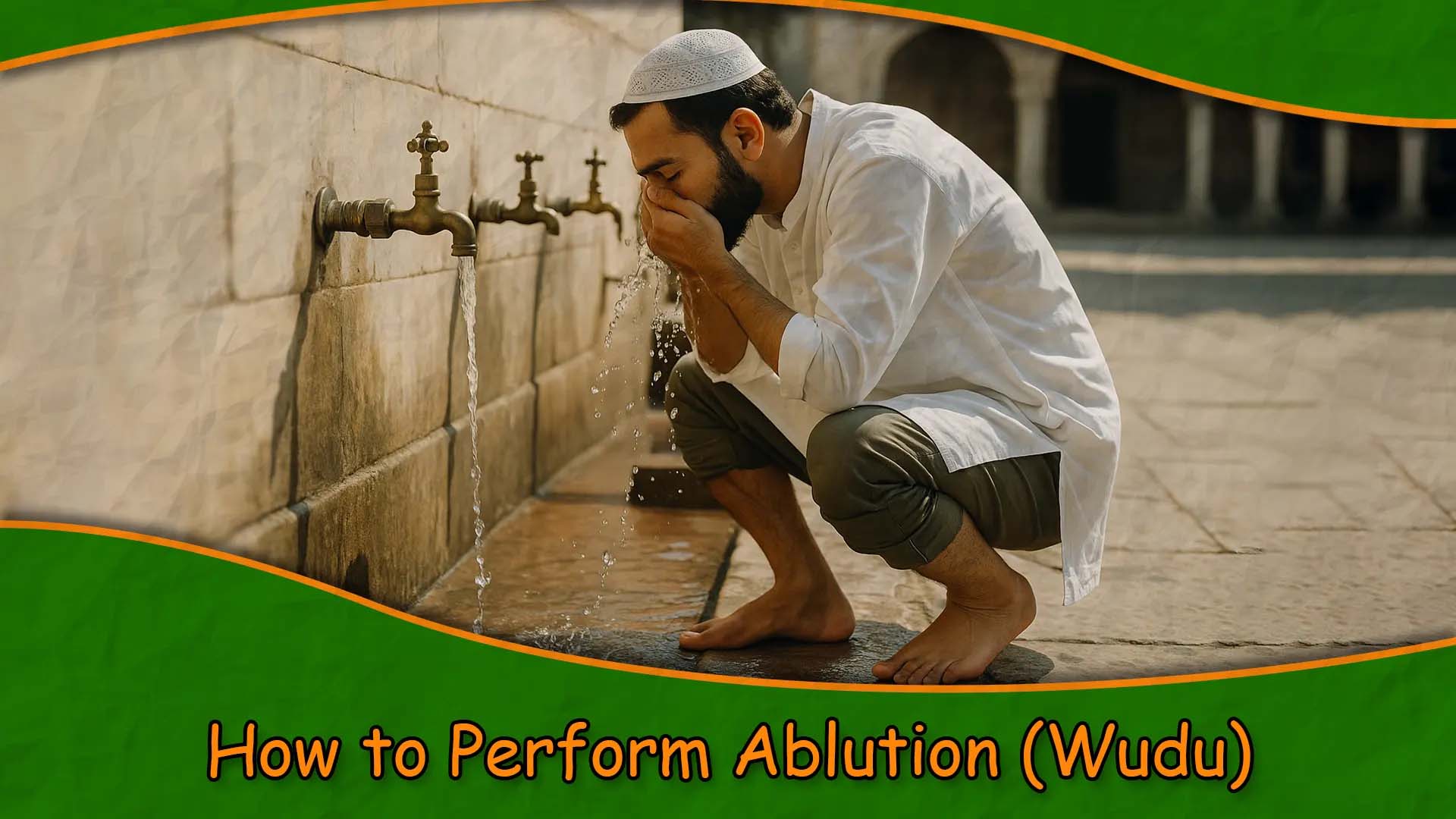
- How to perform wudu and salah correctly
- Rules of fasting during Ramadan
- Basics of zakat and halal daily living
- Everyday questions about food, dress, and interactions
Aqeedah studies build the "why" behind belief:
- Islamic Aqeedah — the core beliefs about Allah, His
messengers, and the Hereafter
- Understanding tawheed clearly, not abstract
- Correcting common misconceptions picked up from mixed
sources
Hadith and Tafsir studies go deeper still, connecting daily
life back to the Quran and the Prophet's ﷺ
example.
Together, these three pillars — Fiqh, Aqeedah, and applied Sunnah — form the
backbone of well-rounded Islamic studies online.
This is where Islamic education stops being theoretical and starts shaping
actual behavior: how someone prays, speaks, eats, and treats others.
A program that only teaches recitation without this practical layer leaves a
real gap.
Islamic education worth paying for closes that gap deliberately, lesson by
lesson, until daily practice and belief line up naturally.
Students who complete this kind of well-rounded Islamic curriculum tend to
describe the same shift: worship stops feeling like memorized motions and
starts feeling understood.
That sense of understanding, rather than rote repetition, is usually the
clearest sign that Islamic education is actually working.
Flexible Online
Islamic Studies Classes for Busy Muslims
Life doesn't pause for Islamic education, and a good program should never demand
that it does.
Flexibility isn't a bonus feature anymore — it's the reason online learning
works for real families.
Consider what flexible Islamic education classes should actually offer:
- Multiple time zone
options,
so a working parent in New York or a student in Sydney can both find a
slot that fits
- Rescheduling without
penalty,
because life happens: illness, travel, unexpected work
- Evening and weekend
availability,
not just weekday mornings
- Short, focused sessions that fit into a lunch
break or after Maghrib
Busy Muslims parents juggling school runs, professionals working long hours,
and students buried in coursework assume proper Islamic education classes
require a huge time commitment.
They don't have to.
Even two focused 30-minute sessions a week, done consistently, build real
progress in Quran and Islamic studies over months.
The key is consistency over intensity.
A flexible schedule keeps students showing up, and showing up is what
actually produces results.
This is exactly why online Islamic studies has succeeded where rigid weekend
school schedules often struggle: it bends around real life instead of demanding
families bend around it.
Think about how many families have quietly dropped weekend Islamic school
because Saturday mornings became impossible to protect.
Online Islamic education classes solve that specific problem by fitting into
whatever pocket of the week actually works, rather than forcing one rigid slot
on everyone.
Islamic Education
Online for New Muslims and Reverts
Reverts face a unique challenge: they're often starting from zero, sometimes
without a Muslim family nearby to lean on, and sometimes carrying embarrassment
about not knowing "basic" things other Muslims grew up learning.
Good Islamic education online removes that pressure entirely.
The right program for new Muslims offers:
- Zero-judgment onboarding — no question is too
basic
- Structured beginner
tracks
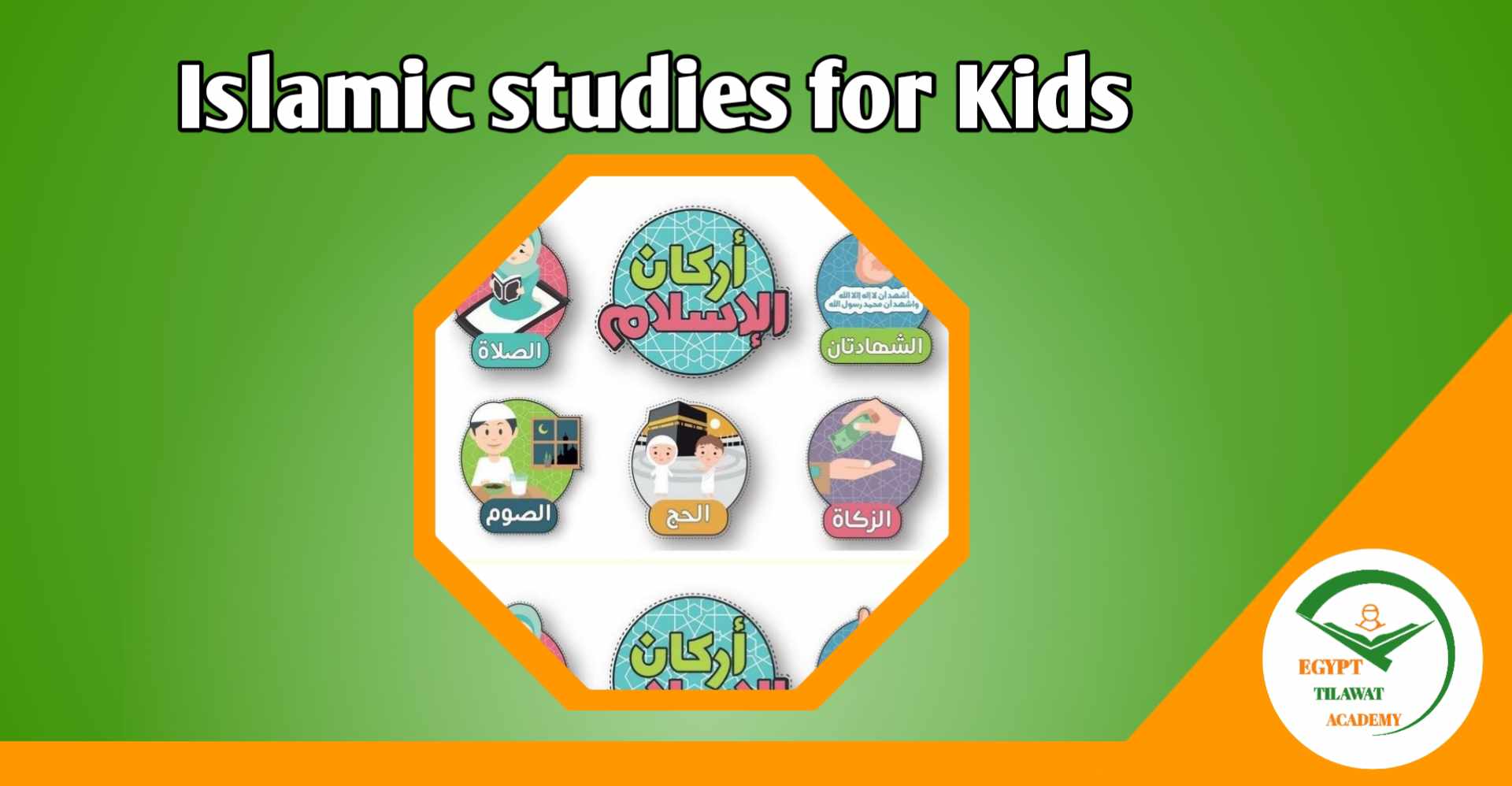
covering the five pillars, purification, and prayer from scratch
- One-on-one support, since group classes
can feel intimidating for someone brand new
- Guidance on Arabic
pronunciation,
often the hardest early hurdle
Learning Islamic teachings after reversion isn't just academic.
It's deeply personal, often tied to identity, family relationships, and
sometimes real isolation.
A teacher who understands that context — not just the material — makes an
enormous difference in how confident and welcomed a new Muslim feels.
This is an area where Islamic education online genuinely shines.
Reverts can learn privately, at their own pace, without the social pressure
of a classroom full of people who've known these practices since childhood.
Over time, that private, patient space turns into real, lasting Islamic
knowledge and genuine belonging within the wider Muslim community.
Many reverts also appreciate having a teacher who can explain not just what
to do, but why, connecting each ritual back to its meaning in the Quran and
Sunnah.
That context transforms Islamic education from a checklist of rules into
something that actually feels personal and worth holding onto for life.
Affordable Online
Islamic Education Courses with Free Trial Classes
Cost stops a lot of families before they even try.
It shouldn't, because quality Islamic education online has become far more
accessible than the private tutoring or full-time Islamic school models of the
past.
What to look for when comparing pricing:
- Transparent monthly
plans
with no hidden fees
- Free trial classes to test teacher fit
before committing
- Family or sibling
discounts
for multiple learners
- Flexible packages — from a few sessions a
week to daily classes
Egypt Tilawat Academy structures its Islamic education programs around
exactly this kind of accessibility: qualified native teachers, clear pricing,
and a free trial lesson so families can experience the teaching style firsthand
before paying anything.
That low-risk entry point matters, especially for parents who've been burned
before by inconsistent tutors or vague promises.
Affordable doesn't mean lower quality here — it means removing unnecessary
cost while keeping the essentials: certified teachers, structured curriculum,
and real progress tracking.
That combination is what makes long-term Islamic education sustainable for
an average family budget, rather than a short-lived experiment that quietly
fades out after a few months.
Before committing to any provider, it's worth asking a few direct questions:
Are teachers certified? Is there a trial class before payment?
Can the schedule change if life gets busy?
A program confident in its own quality will answer all three without
hesitation, and that confidence is usually a good sign of what the actual
Islamic education experience will be like.
Frequently Asked
Questions
What age should a child start Islamic education online?
Most programs welcome children from age five, using shorter, story-based
sessions suited to young attention spans.
Formal Quran memorization and Fiqh lessons typically build in gradually from
there.
Is online Islamic education as effective as in-person classes?
Yes, particularly with one-on-one attention from a qualified teacher and consistent
scheduling.
Many students actually progress faster online because sessions are
personalized rather than shared across a full classroom.
Do I need to know Arabic before starting Islamic studies online?
No, most beginner Islamic education programs teach Arabic basics alongside
Quran and Islamic studies from the very first lessons.
Teachers build vocabulary gradually as students progress.
How much does online Islamic education typically cost?
Pricing varies by session frequency and class type, but most reputable
platforms offer monthly packages alongside a free trial class.
This lets families evaluate teaching quality before committing to a paid
plan.
Start Your Islamic
Education Journey Today
Islamic education isn't a box to check once and forget.
It's an ongoing relationship with knowledge that shapes how you pray, speak,
raise your children, and carry yourself in the world.
Whether you're a parent seeking Muslim kids' education, an adult beginner,
or a new Muslim starting fresh, the right teacher and the right structure make
all the difference.
Egypt Tilawat Academy brings together qualified native Arabic teachers, a
clear curriculum, and flexible scheduling built for real, busy lives — all at
an accessible price point with a free trial to start.
Book a free trial lesson with a native Arabic teacher today
and take the first real step toward the Islamic education your family deserves.