How To Learn The Arabic Language?
Arabic is often described as a difficult language to learn, and in some ways that reputation is fair. The script runs in a different direction, the sounds include letters that do not exist in most other languages, and the grammar works on different logic than English or many European languages. None of that means Arabic is out of reach. It means the learning path needs to be realistic and structured, rather than based on guesswork.
Understand What Kind of Arabic You Want to Learn
One of the first decisions a new learner needs to make, often without realizing it, is whether they want Modern Standard Arabic, a spoken dialect such as Egyptian or Levantine Arabic, or Quranic and classical Arabic. These are related but not identical, and mixing them without knowing it causes a lot of confusion later. Someone learning Arabic mainly to understand the Quran and religious texts will focus on classical grammar and vocabulary, while someone learning Arabic to travel or work in a specific country will lean toward that region's spoken dialect.
Modern Standard Arabic sits in the middle. It is used in news, formal writing, and education across the Arab world, and it gives learners a foundation that makes both classical texts and regional dialects easier to pick up later.
Start With the Alphabet and Sounds
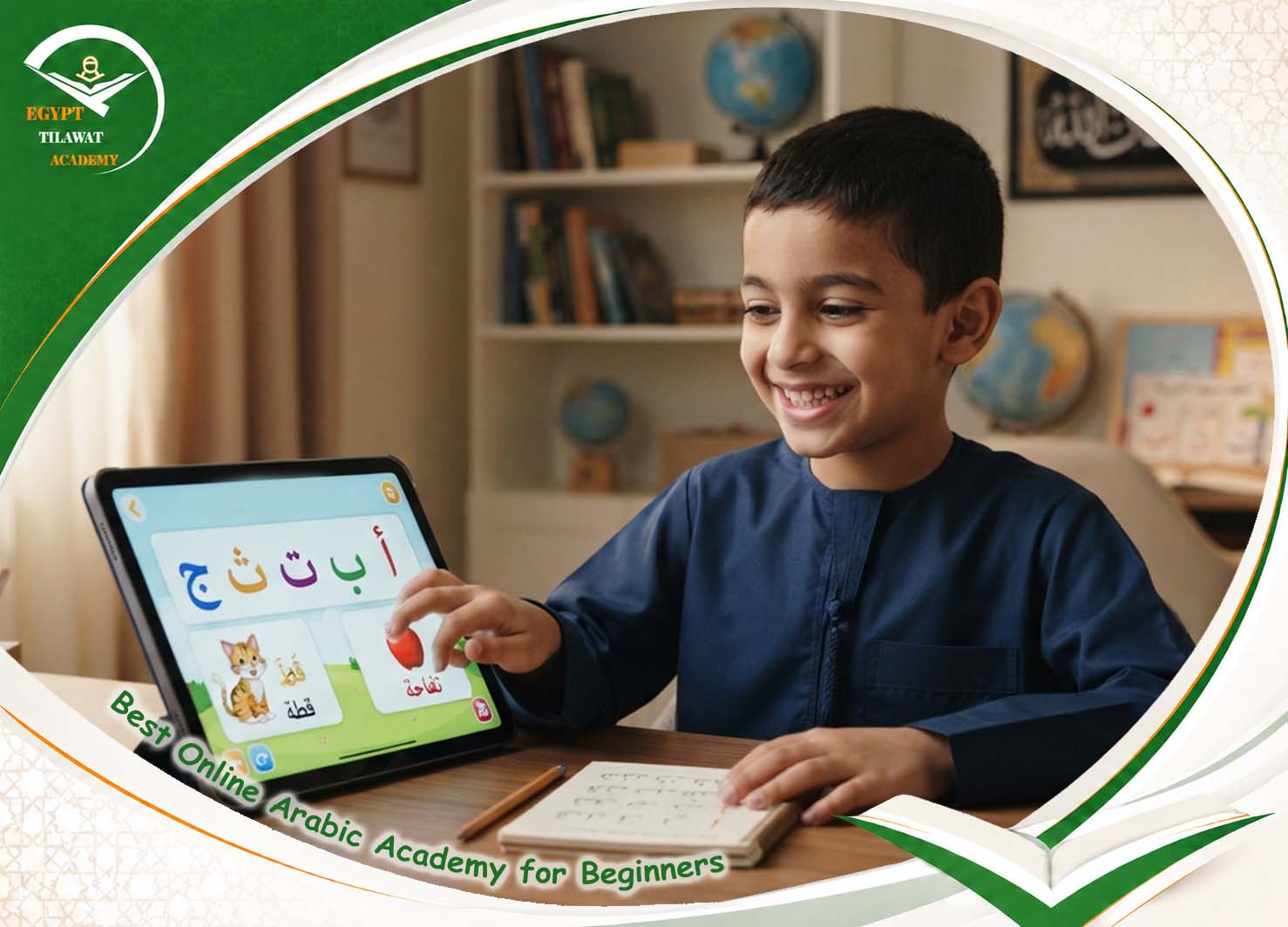
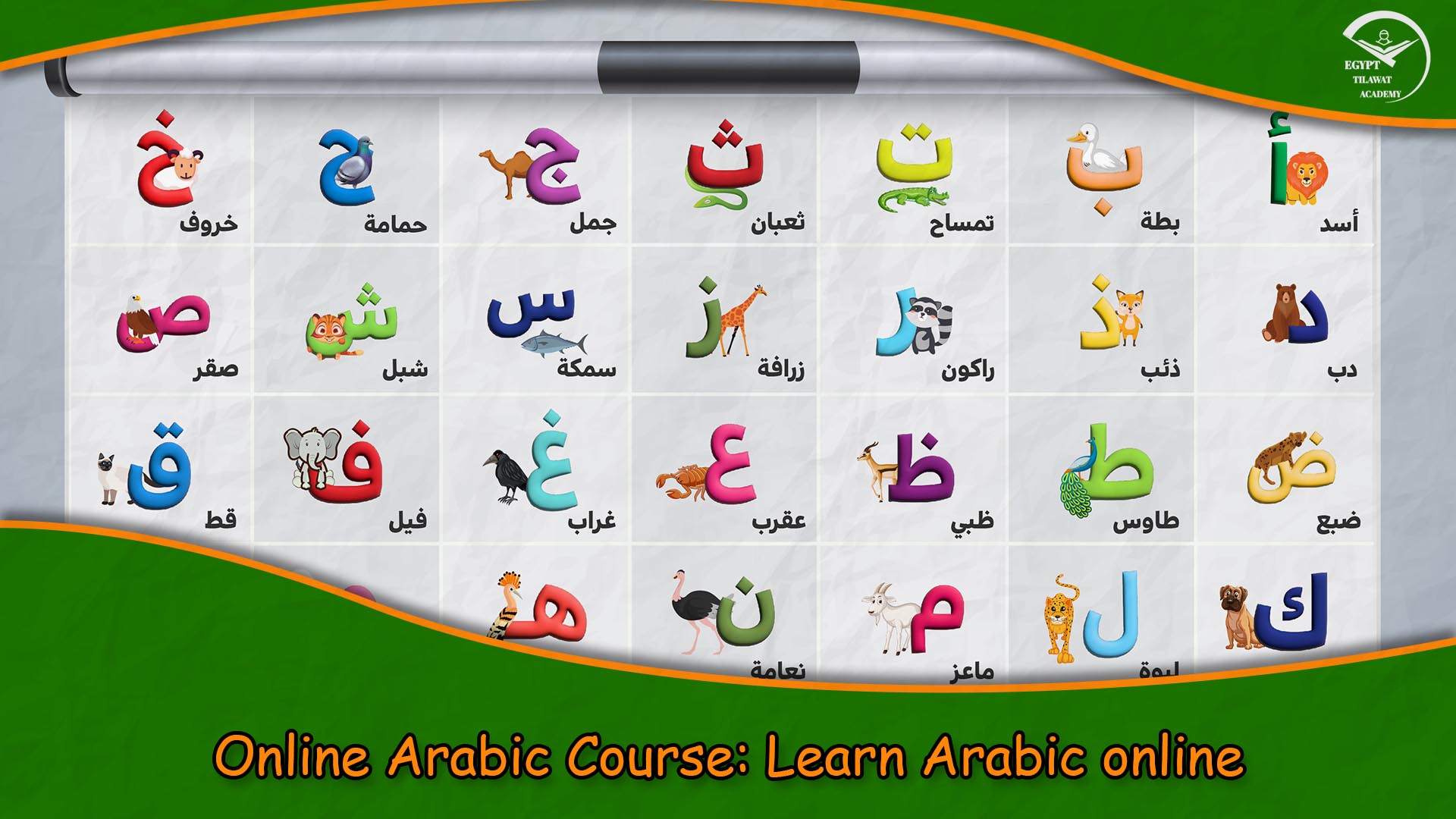
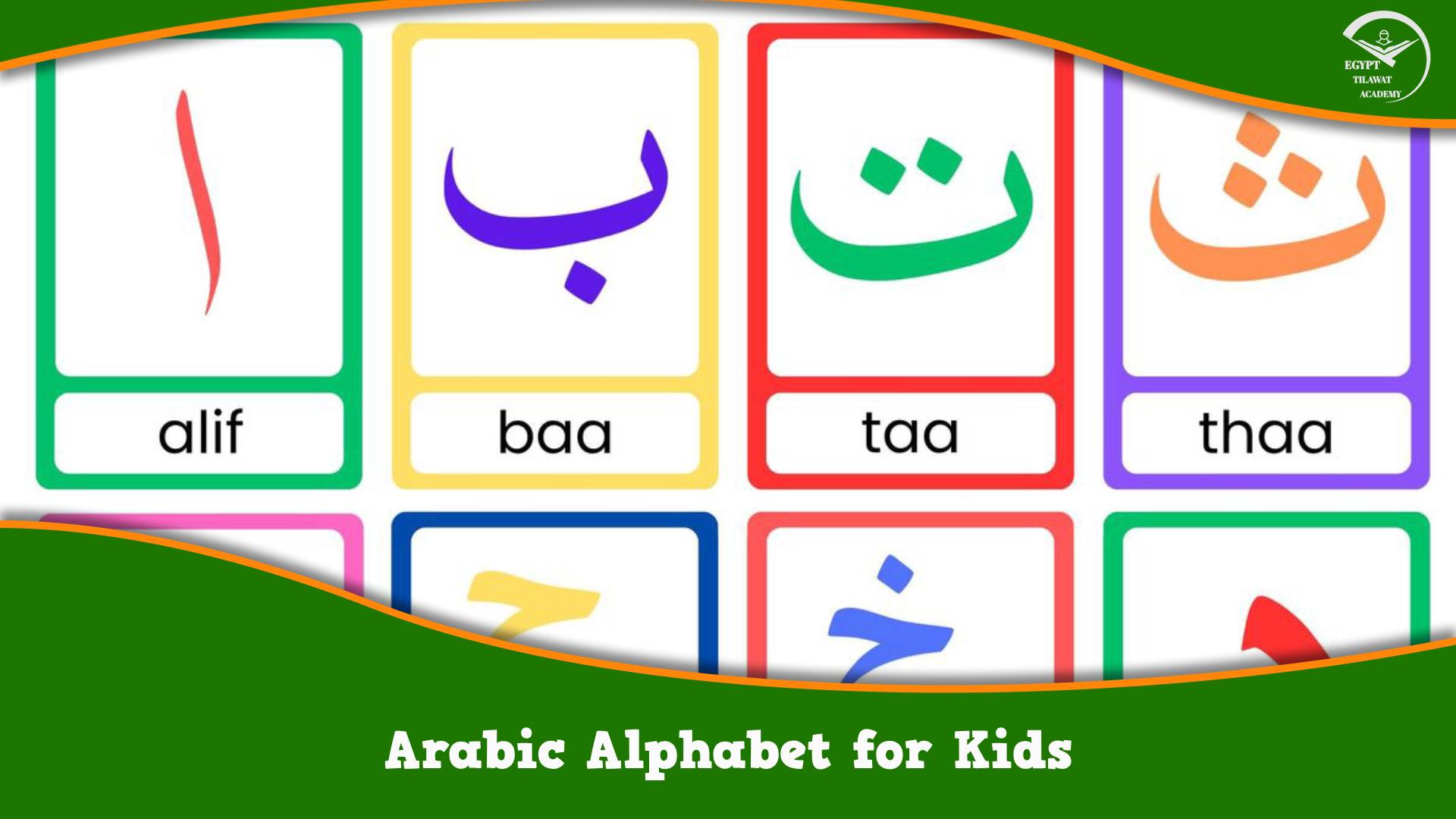
Arabic has twenty eight letters, and several of them represent sounds that simply do not exist in English. Rather than trying to approximate these sounds using English letters, it is worth spending real time listening to a native speaker or qualified teacher pronounce each letter correctly and imitating it directly. Skipping this step and relying on transliteration early on is one of the most common reasons learners develop pronunciation habits that are hard to unlearn later.
Handwriting practice matters too. Because Arabic letters change shape depending on their position in a word, at the beginning, middle, or end, recognizing them quickly takes deliberate practice rather than passive exposure.
Build Vocabulary Around Real Sentences
Memorizing long lists of isolated words rarely sticks. Vocabulary is retained far better when it is learned inside short, useful sentences that you can actually use in conversation or reading. Start with everyday topics such as greetings, family, numbers, and daily routines, then expand gradually into topics that match your specific goals, whether that is religious study, travel, or business.
Grammar in Small Doses
Arabic grammar includes concepts that do not map neatly onto English, such as the dual form for exactly two of something, and a system of root letters where most words are built from a three letter core. Understanding this root system early actually makes vocabulary easier later, because once you recognize a root, you can often guess the meaning of related words. Still, grammar is best introduced gradually alongside listening and speaking practice, not as a wall of rules to memorize before you are allowed to speak.
Listening Is Not Optional
Many learners spend most of their study time on reading and writing while neglecting listening, then feel lost the first time they hear Arabic spoken at natural speed. Regular listening practice, even just fifteen minutes a day with content slightly above your current level, trains your ear to recognize words in context rather than in isolation. This matters just as much for students focused on religious study, since understanding spoken explanations from a teacher depends on the same listening skill.
Work With a Teacher Rather Than Alone
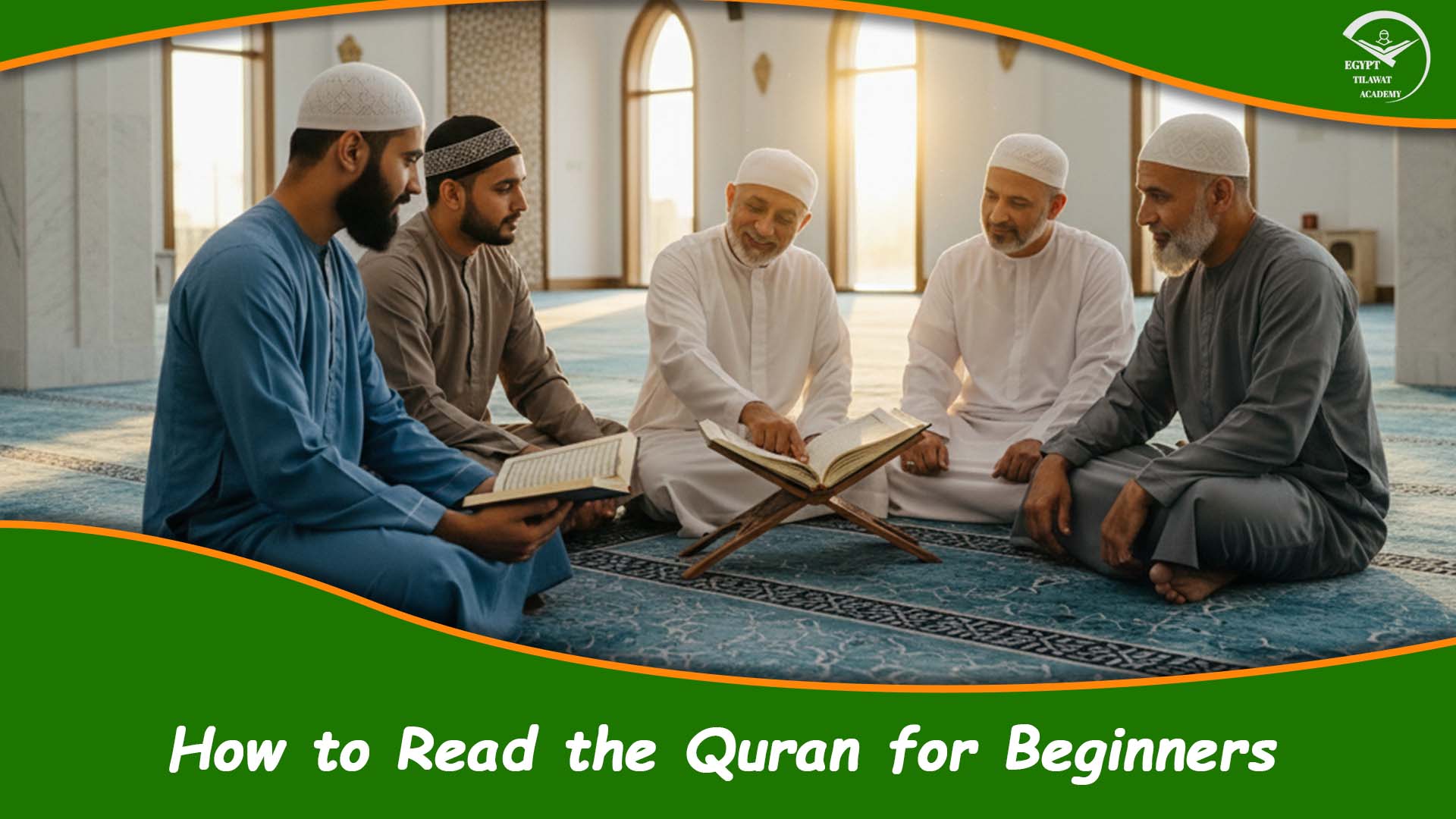
Self study has its place, but a structured Arabic language course with a live teacher gives you something self study cannot: real time correction and a curriculum that builds logically instead of jumping around based on whatever content you happen to find online. A teacher also adjusts the pace to match your actual progress rather than a generic schedule, which matters a lot in a language with as much internal structure as Arabic.
Practice Speaking Early, Even Imperfectly
It is tempting to wait until you feel "ready" before speaking, but this delay usually slows progress rather than protecting you from mistakes. Speaking from the early stages, even with an accent or grammar errors, builds the confidence and fluency that reading alone cannot provide. A good teacher will correct you gently without making you afraid to try.
Consistency Beats Intensity
Twenty minutes of focused daily practice will outperform an occasional three hour session on the weekend. Language learning depends on spaced repetition, meaning your brain needs to encounter words and structures repeatedly over time, not all at once. Set a realistic daily routine you can actually maintain for months, rather than an ambitious schedule you abandon after two weeks.
If Your Goal Is Religious Study
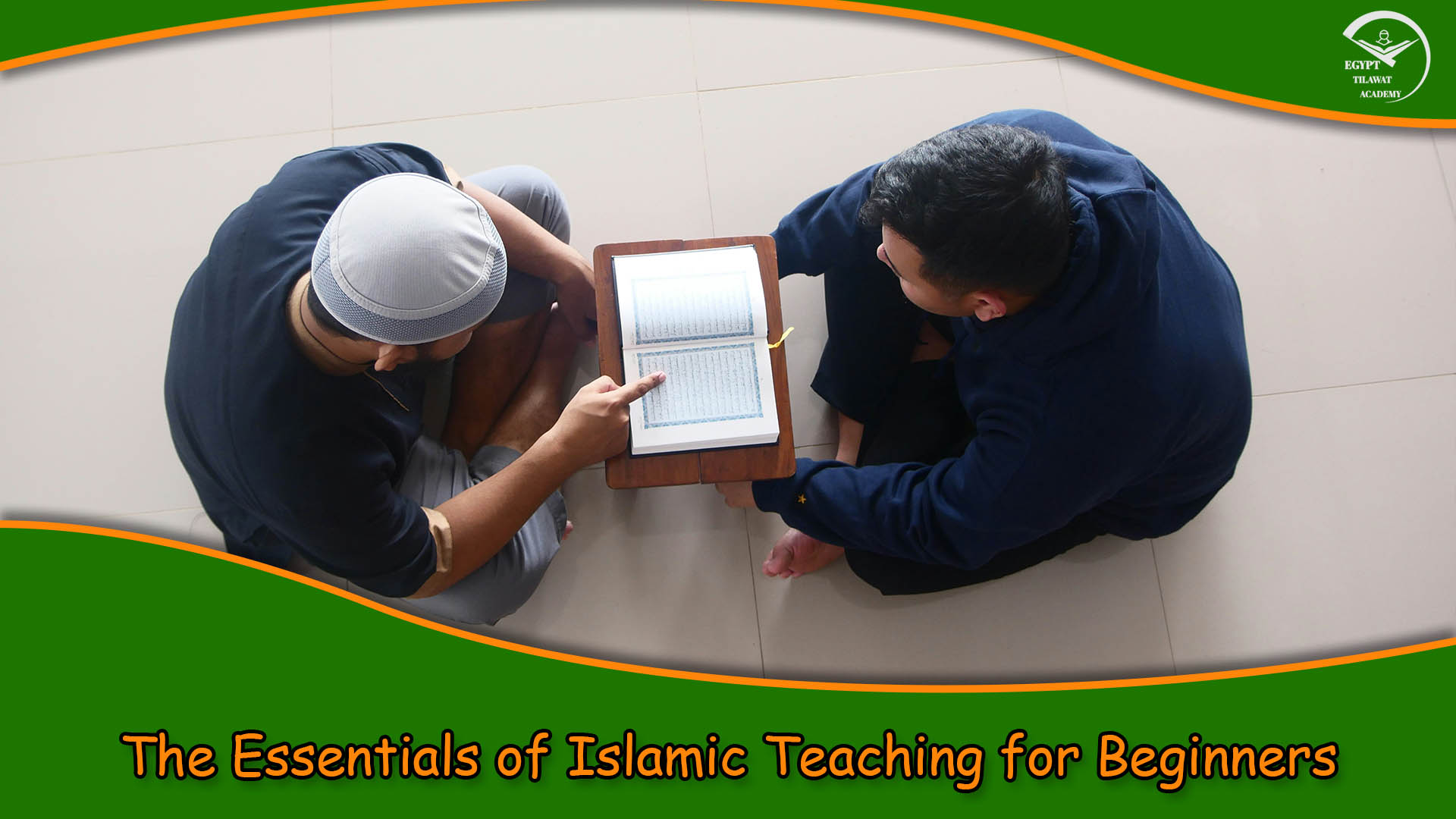
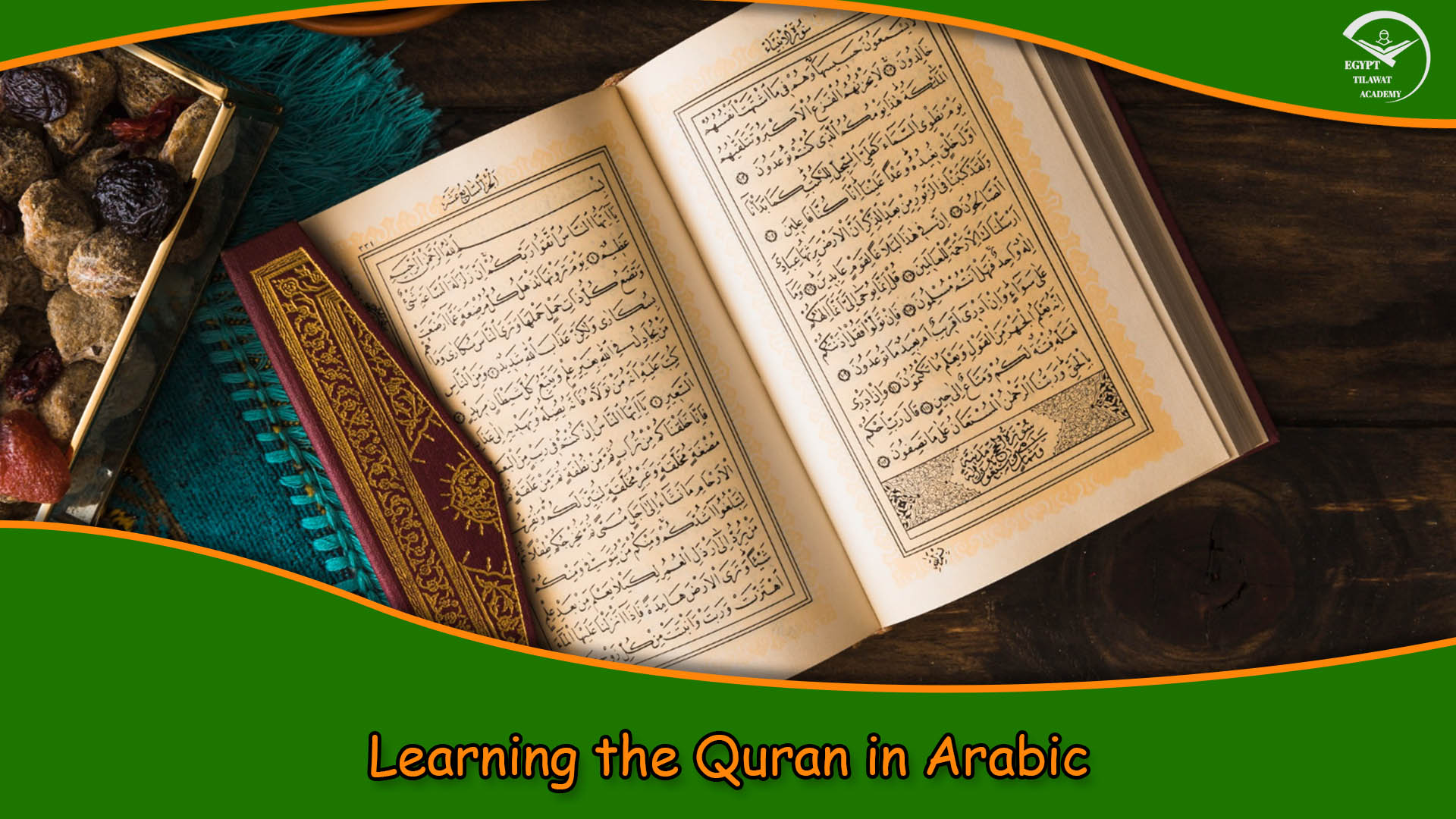
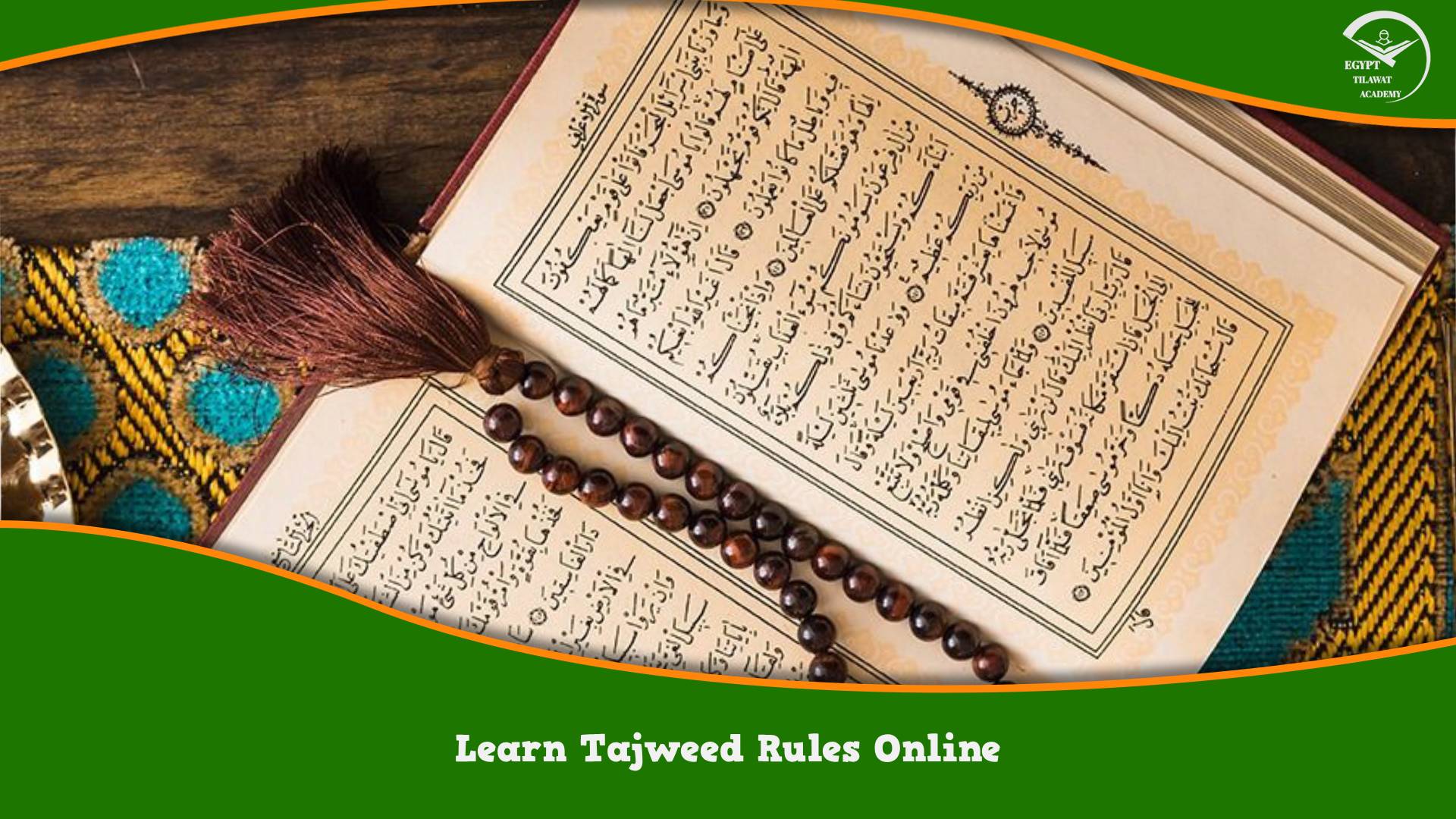
Many students learning Arabic are doing so specifically to understand the Quran and Islamic texts more deeply. If that describes you, it helps to pair your Arabic study with focused pronunciation practice, since correct recitation depends on accurate letter sounds just as much as general Arabic does. Our guide on learning Quran with correct Tajweed covers this specific angle in more depth, and works well as a companion to general Arabic study rather than a separate, unrelated track.
Learning Arabic as a Family
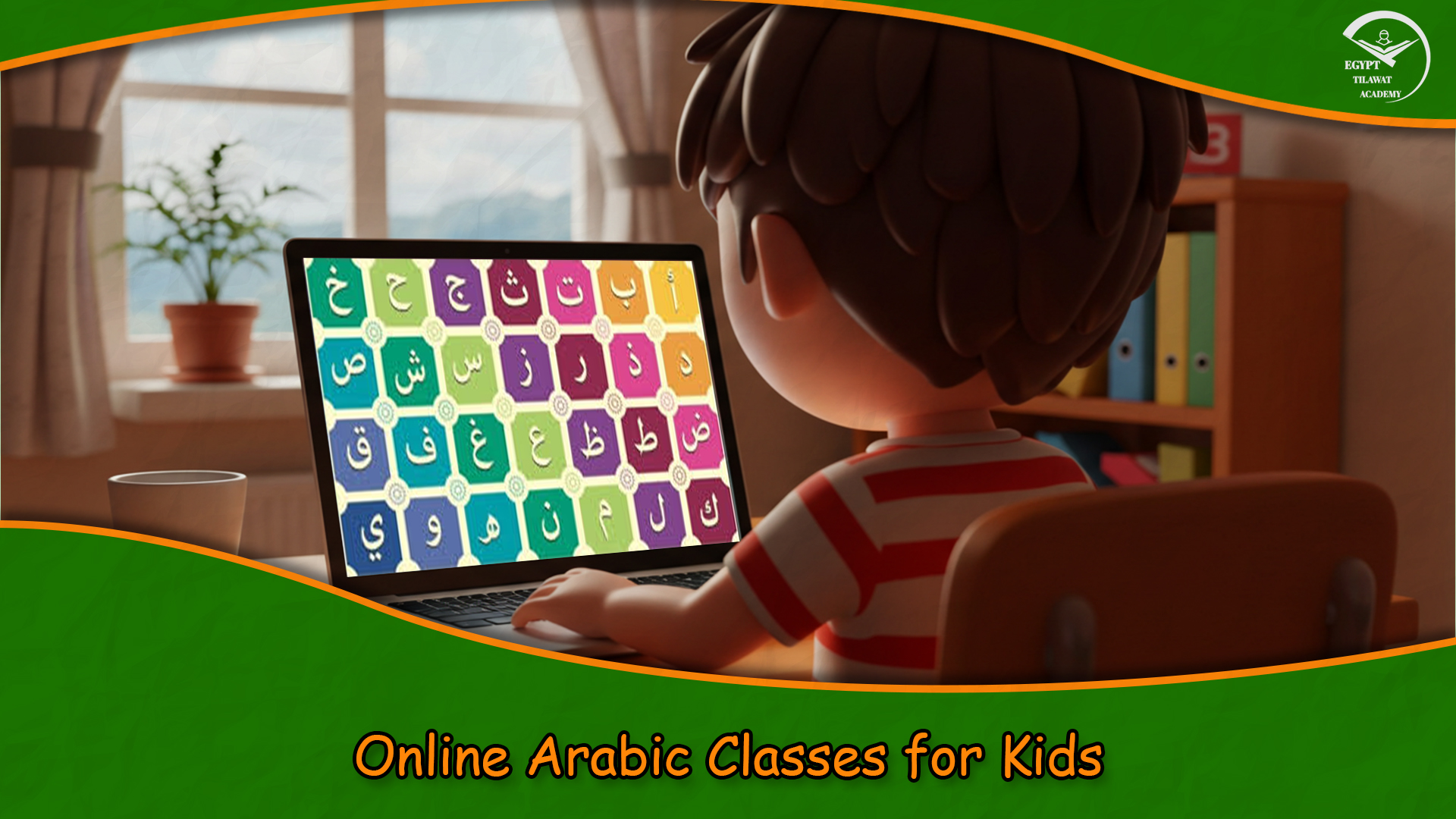
Parents often want their children to learn Arabic alongside them, particularly for religious reasons. Children generally absorb pronunciation and rhythm faster through repetition and games, while adults benefit more from structured grammar explanations. Programs designed specifically for younger learners, such as online Arabic classes for kids, take this difference into account rather than using the same materials for every age group.
Common Mistakes to Avoid
Relying too heavily on transliteration instead of learning the actual script is one frequent mistake, since it delays real reading fluency. Another is jumping between multiple apps and resources without ever committing to one structured curriculum, which leads to gaps in foundational knowledge. Avoiding speaking practice out of fear of mistakes is a third common trap that slows progress far more than the mistakes themselves ever would.
How Long Does It Realistically Take?
There is no fixed timeline, since progress depends on how many hours a week you dedicate and whether you are also immersed in the language outside of lessons. That said, most consistent students can hold basic conversations within six months to a year, and reach comfortable reading fluency for religious or academic texts within one to two years of steady study. Learners who combine live lessons with daily independent practice tend to progress noticeably faster than those relying on lessons alone.
Getting Started
The most important step is simply starting with a clear structure instead of a scattered approach. Set a specific goal, whether it is reading the Quran with understanding, holding daily conversations, or passing a language exam, and let that goal shape which type of Arabic and which resources you focus on first. With consistent practice and the right guidance, Arabic becomes far more approachable than its reputation suggests.
Frequently Asked Questions
Is Arabic harder to learn than other languages? It has a steeper initial learning curve due to the script and unfamiliar sounds, but once the fundamentals are in place, many learners find the grammar's root system actually makes vocabulary building more logical than in some other languages.
Can I learn Arabic without moving to an Arabic speaking country? Yes. Live online lessons combined with regular listening practice and speaking opportunities can build strong proficiency without relocation, though immersion does accelerate fluency for those who have the option.
Should I learn Modern Standard Arabic or a dialect first? It depends on your goal. For religious study and formal contexts, Modern Standard Arabic and classical Arabic are the priority. For everyday conversation in a specific country, starting with that region's dialect can be more practical.
How many hours a week should I study? Even thirty minutes a day, done consistently, produces better results than a few hours once a week. Regularity matters more than total volume, especially in the first year.
Tools Worth Using Alongside a Teacher
A good Arabic-English dictionary that shows root letters, flashcard apps for spaced repetition, and audio content aimed at your level all support classroom learning well. Reading children's books in Arabic once you have the basics down is also an underrated way to build vocabulary, since the sentences are simple enough to follow without a dictionary open the whole time. None of these tools replace structured lessons, but they make the hours between lessons more productive and help new vocabulary stick.
Writing practice deserves attention too. Copying out short passages by hand, even slowly, reinforces letter shapes and word patterns in a way that typing does not, and it is a habit many fluent Arabic learners point back to as genuinely useful in their early months.
Should children and adults be taught the same way? Not usually. Children benefit from songs, games, and repetition-heavy lessons, while adults tend to progress faster with clear grammar explanations and structured reasoning behind each rule. A teacher experienced with both age groups will naturally adjust their method rather than using one fixed approach for everyone.