Seerah for Kids: A Simple Guide to the Life of Prophet Muhammad ﷺ
Seerah for Kids is an engaging, age-appropriate introduction to the life of Prophet Muhammad (PBUH). It is designed to teach Islamic values, character, and history through simplified stories, visuals, and interactive methods.
It helps children build a strong spiritual foundation by highlighting key events, virtues like honesty and kindness, and the Prophet’s role as a mercy to humanity. Tailored content ensures relevance and understanding for young minds while fostering love and respect for the Prophet’s example.
Seerah for Kids offers a simple and meaningful way to introduce children to the life, character, and teachings of Prophet Muhammad ﷺ. Through carefully chosen stories, children can learn about honesty, kindness, patience, forgiveness, and faith. These lessons help them understand Islam beyond memorizing facts and encourage them to practise good manners in everyday life.
The Seerah is also an important part of children's Islamic education. It helps young Muslims understand the historical background of the Quran, the challenges faced by the early Muslim community, and the values that shaped the Prophet's mission. Parents can teach these lessons at home through books and storytelling or choose structured online Seerah classes for kids with qualified Islamic teachers.
In this guide, you will discover what Seerah means, why it matters, which stories children should learn first, and how to make Islamic history interesting for young learners. You will also learn how to choose a suitable Seerah course and what to consider when exploring online learning options, including Egypt Tilawat Academy.
The goal is simple: to help children learn about the Prophet's life in a way they can understand, remember, and apply as they grow.
What Is Seerah for Kids in Islam?
Seerah is the study of the life and biography of Prophet Muhammad ﷺ. It covers his early life, the beginning of his prophethood, the revelation of the Quran, his teachings in Mecca and Madinah, and the development of the early Muslim community.
For children, Seerah is more than a collection of historical events. It introduces them to the person whose example Muslims follow in worship, family life, relationships, and daily conduct. Seerah for Kids makes these important lessons easier to understand through clear explanations, memorable stories, and practical examples.
The meaning of Seerah for children
The Arabic word Seerah refers to a person's life story or biography. When children study the Seerah, they learn about the experiences, decisions, and character of Prophet Muhammad ﷺ.
A good lesson explains what happened, why it mattered, and what children can learn from it. For example, a story about the Prophet's honesty can lead to a discussion about telling the truth at school, even when doing so feels difficult.
Parents and teachers should present events accurately and use language that matches the child's age. Younger children may benefit from short stories and pictures, while older learners can explore historical context and discuss more complex questions.
Why the Prophet's life matters to Muslim families
The Prophet Muhammad ﷺ is a central role model for Muslims. Learning about his life helps children connect Islamic beliefs with real examples of good character and responsible behaviour.
Seerah can also strengthen family conversations about faith. Parents can discuss a story after dinner, connect a lesson to a situation at school, or encourage children to think about how they treat siblings and friends.
When taught with care, Seerah for Kids helps children build a meaningful connection with Islamic history while developing a clearer understanding of the Prophet's example.
Why Should Kids Learn About Prophet Muhammad ﷺ?
Children learn values from the people they admire. Stories about Prophet Muhammad ﷺ give Muslim children examples of how faith can guide behaviour, relationships, and decisions. Instead of simply telling children to be kind or honest, parents can explain how these qualities appeared in the Prophet's life.
Learning the Seerah also helps children understand the foundations of their faith. They discover how the Quran was revealed, why the first Muslims faced difficulties, and how the Muslim community developed. This background can make Quran lessons and Islamic studies more meaningful.
Learning Islamic values and good manners
The Prophet's life provides many opportunities to discuss values that children can practise at home and school. Lessons can focus on speaking truthfully, keeping promises, treating others fairly, and showing compassion.
For example, when a child struggles to share a toy, a parent can discuss the importance of generosity and caring for others. When a disagreement happens between friends, the family can explore forgiveness and respectful communication.
These conversations make Seerah for Kids practical rather than purely historical. Children begin to see that Islamic manners apply to ordinary situations, including classroom behaviour, friendships, family responsibilities, and online interactions.
Developing love for the Prophet
Children can develop a stronger appreciation for Prophet Muhammad ﷺ by learning about his patience, mercy, worship, and concern for others. Stories should be shared warmly and respectfully, allowing children to ask questions and reflect on what they hear.
Parents should avoid making lessons feel like a list of rules or a test of memorization. A short, engaging story followed by a simple question can be more effective than a long lecture.
For instance, ask, "What did the Prophet's behaviour teach us?" or "How could we practise this quality tomorrow?" These questions help children connect knowledge with action.
With regular lessons, Seerah for Kids can support a lasting interest in Islamic learning and encourage children to follow the Prophet's example in age-appropriate ways.
Important Stories from the Prophet's Life for Kids
The life of Prophet Muhammad ﷺ includes many events that help children understand faith, courage, patience, and mercy. When selecting Prophet Muhammad stories for kids, parents should choose reliable accounts and explain each event in simple language.
Children do not need to learn every historical detail at once. A few well-told stories, supported by accurate information, can provide a strong foundation for understanding the Seerah.
The Prophet's childhood
Prophet Muhammad ﷺ was born in Mecca. His father, Abdullah, died before his birth, and his mother, Aminah, died when he was still young. He was cared for by family members, including his grandfather, Abdul Muttalib, and later his uncle, Abu Talib.
These early experiences introduce children to the importance of family care, compassion, and supporting people who face difficulties. Teachers should explain the events sensitively, especially to younger children who may have questions about loss.
The Prophet later became known for his honesty and trustworthy character. This provides a natural opportunity to discuss why telling the truth and keeping promises matter.
The first revelation
At the age of 40, Prophet Muhammad ﷺ received the first revelation from Allah through Angel Jibril in the Cave of Hira. The first revealed verses are from Surah Al-Alaq.
This event marks the beginning of his prophethood and the revelation of the Quran. Children can learn that seeking knowledge, listening carefully, and taking time for reflection are valuable parts of a Muslim's life.
Lessons should explain the event respectfully without adding unsupported details. Older children can also explore how the Quran was revealed over time.
The Hijrah to Madinah
The Hijrah was the Prophet's migration from Mecca to Madinah with his followers after the early Muslims faced serious persecution. It was a major turning point in Islamic history.
Children can learn about courage, trust in Allah, careful planning, and the importance of community. The arrival in Madinah also provides an opportunity to discuss how the early Muslims built relationships and supported one another.
The Prophet's kindness and forgiveness
Accounts from the Seerah show the Prophet's concern for others and his commitment to mercy. His conduct provides valuable examples for children who are learning to manage anger, forgive mistakes, and treat people fairly.
Teachers can explain these stories without suggesting that children should accept bullying or remain in unsafe situations. Forgiveness and kindness can exist alongside seeking help from a trusted adult.
Together, these stories make Seerah for Kids engaging while teaching lessons children can use in real life.
What Can Children Learn from the Seerah?
One of the greatest benefits of studying the Prophet's biography is that it connects Islamic knowledge with everyday behaviour. Children learn not only what happened in the past but also how Islamic values can guide their choices today.
The best Seerah lessons for children are simple, relevant, and supported by reliable sources. They should encourage children to think about their actions rather than expect them to understand every historical detail immediately.
Honesty, patience, and compassion
Honesty is a useful starting point. The Prophet Muhammad ﷺ was known for his trustworthiness, and his example can help children understand why truthfulness matters. Parents can encourage children to admit mistakes, keep promises, and return things that do not belong to them.
Patience is another important lesson. Children often experience disappointment when they lose a game, struggle with schoolwork, or disagree with a friend. Seerah stories can help them discuss how to respond calmly and seek Allah's help during difficult moments.
Compassion teaches children to notice the needs of others. They can practise it by helping a classmate, checking on a lonely friend, or showing care for animals.
Respect, responsibility, and helping others
The Prophet's example also encourages respectful speech, fulfilling responsibilities, and treating people fairly. Children can learn to listen when others speak, help with household tasks, and show consideration for people of different backgrounds.
Parents can reinforce these qualities through small daily goals:
- Tell the truth, even after making a mistake.
- Speak politely to family members and classmates.
- Help someone without expecting a reward.
- Apologize sincerely when you hurt someone.
- Complete a responsibility before moving to playtime.
These activities help turn Seerah for Kids into practical Islamic learning. The aim is not perfection. It is to help children understand good character and keep practising it as they grow.
How Can Parents Teach Seerah to Kids at Home?
Parents do not need to be professional Islamic teachers to introduce their children to the Seerah. A few reliable resources, a calm learning environment, and regular conversations can create a strong foundation.
The most important thing is to make learning suitable for the child's age, attention span, and existing knowledge. Younger children usually respond well to short stories and simple questions. Older children may enjoy timelines, discussions, maps, and comparisons between historical events.
Using stories, books, and activities
Begin with a trustworthy Seerah book written for children or lessons prepared by a qualified Islamic teacher. Check that the material distinguishes established historical accounts from uncertain reports and avoids invented details added simply to make stories more exciting.
After reading a story, invite your child to explain what happened in their own words. You might ask which character trait stood out or how the lesson could apply at school.
Creative activities can make Seerah for Kids more memorable. For example, children can create a simple timeline of important events, draw a map showing Mecca and Madinah, or make cards with one lesson from each story. Older learners can write a short reflection or explain an event to a sibling.
Keep activities respectful. Avoid treating sacred events as games that trivialize their meaning, and make sure illustrations and storytelling follow your family's Islamic teaching preferences.
Creating a simple weekly Seerah learning routine
Consistency matters more than long study sessions. Families can begin with one or two short lessons each week and increase the time as the child becomes more interested.
A simple routine might include:
- Read: Share one short Seerah story.
- Discuss: Ask what happened and why it matters.
- Practise: Choose one good quality to apply during the week.
- Review: Revisit the previous lesson before introducing another.
Even 15–20 minutes can be a useful starting point, depending on the child's age and concentration. Choose a time that fits around school, homework, family commitments, and prayer.
For busy families in the West, a weekend session or a regular evening lesson may work well. The goal is to build a positive habit that children can maintain, rather than make Islamic learning feel like another source of pressure.
How to Choose Online Seerah Classes for Kids
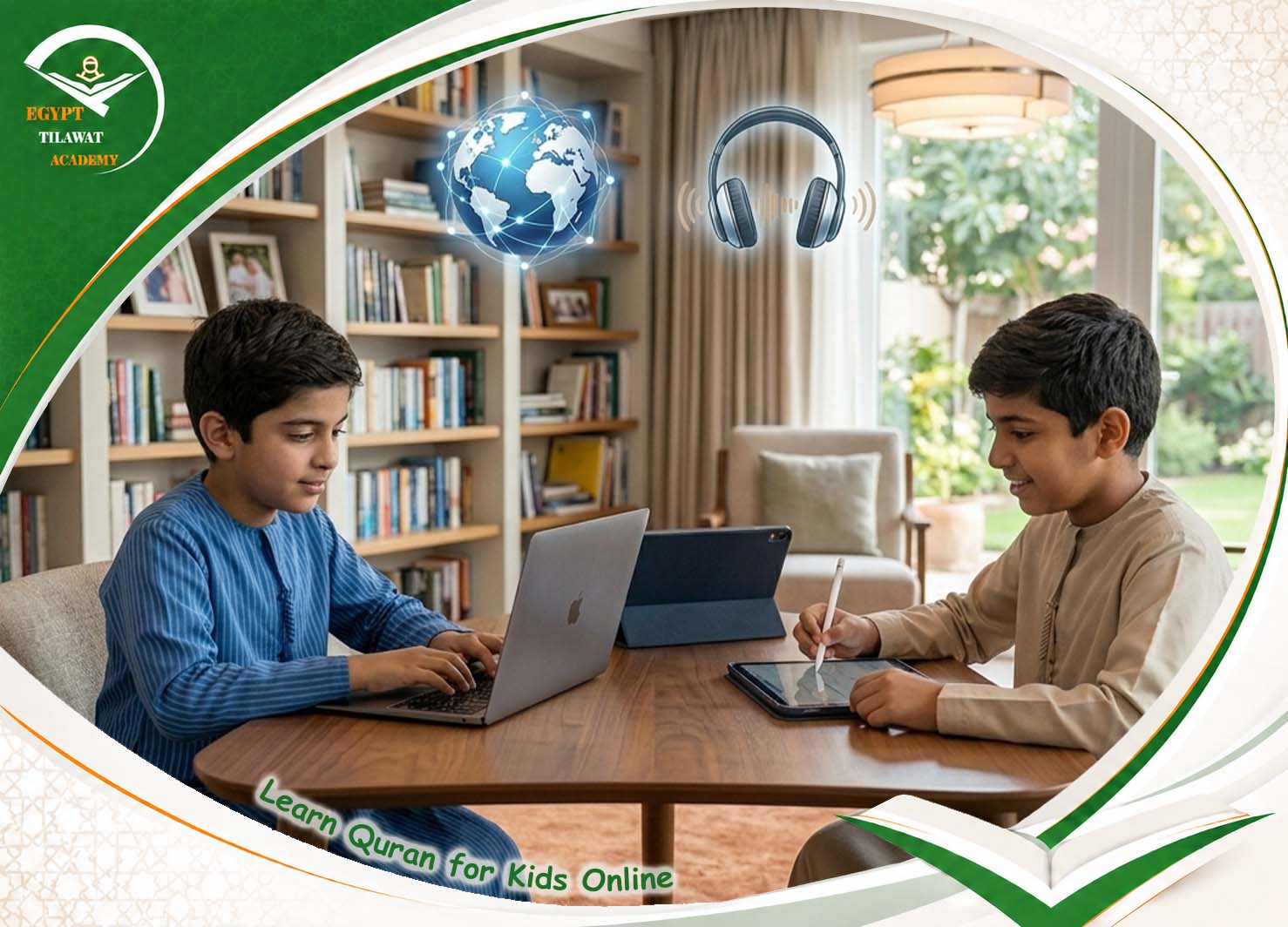
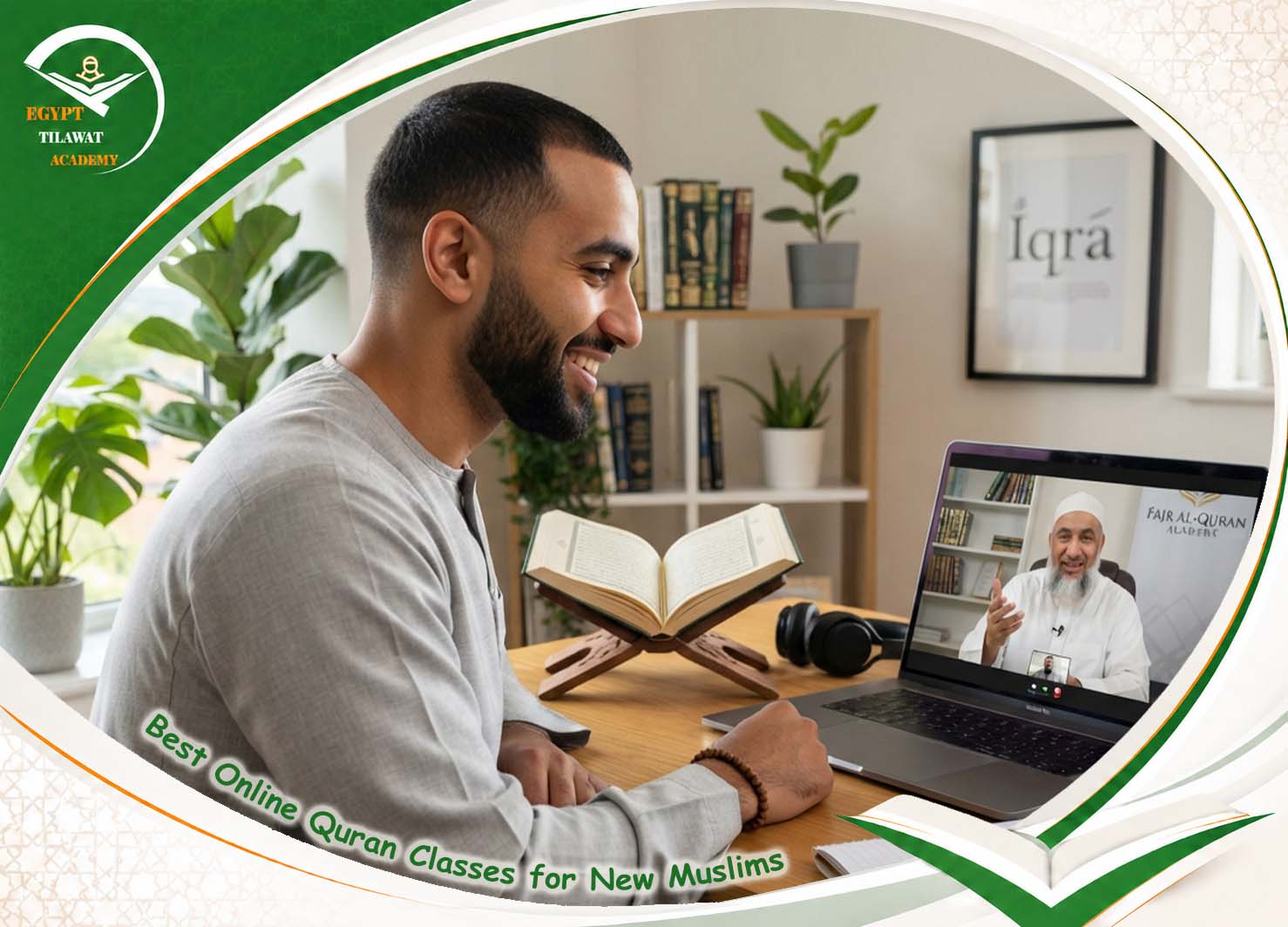
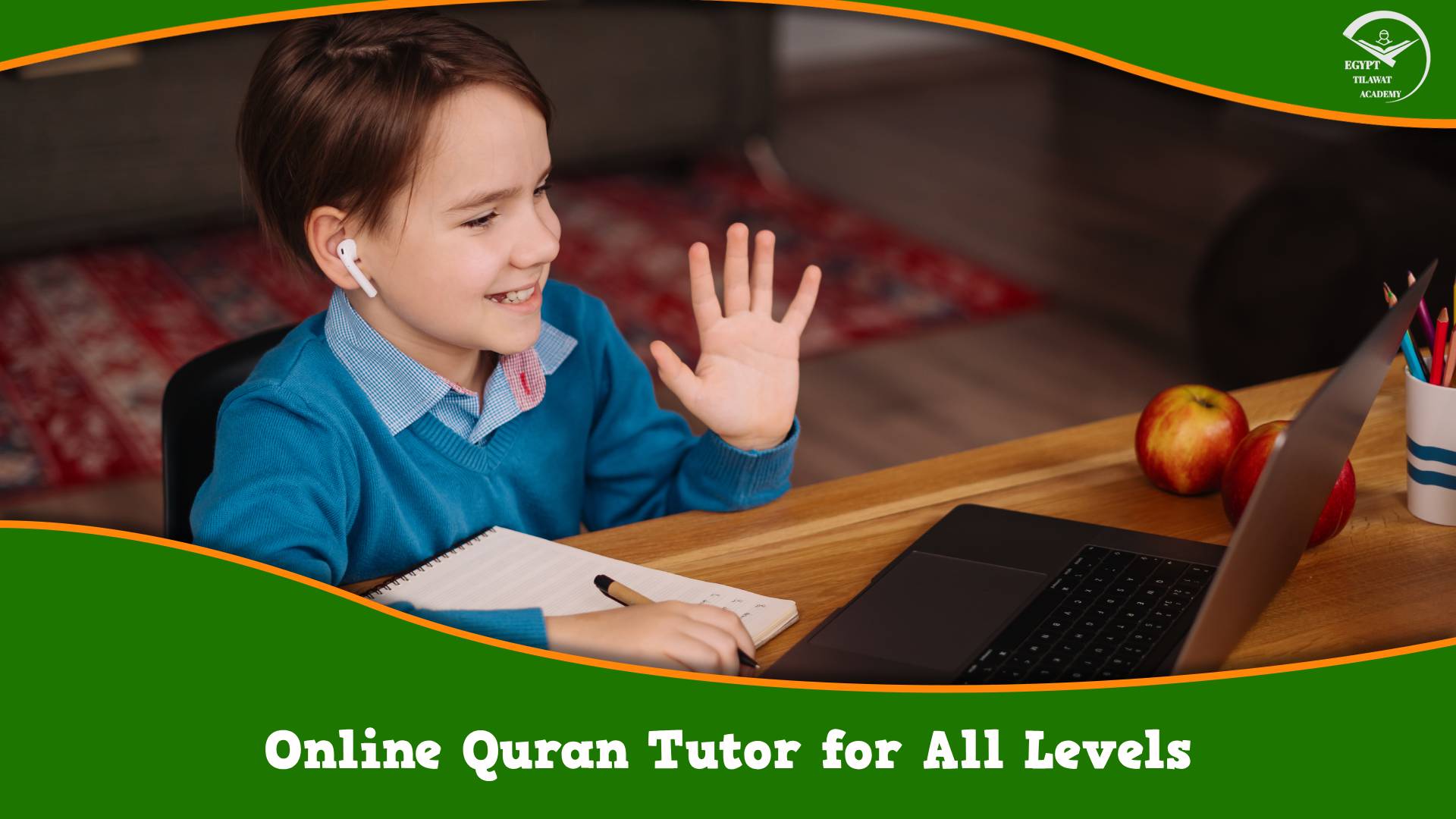
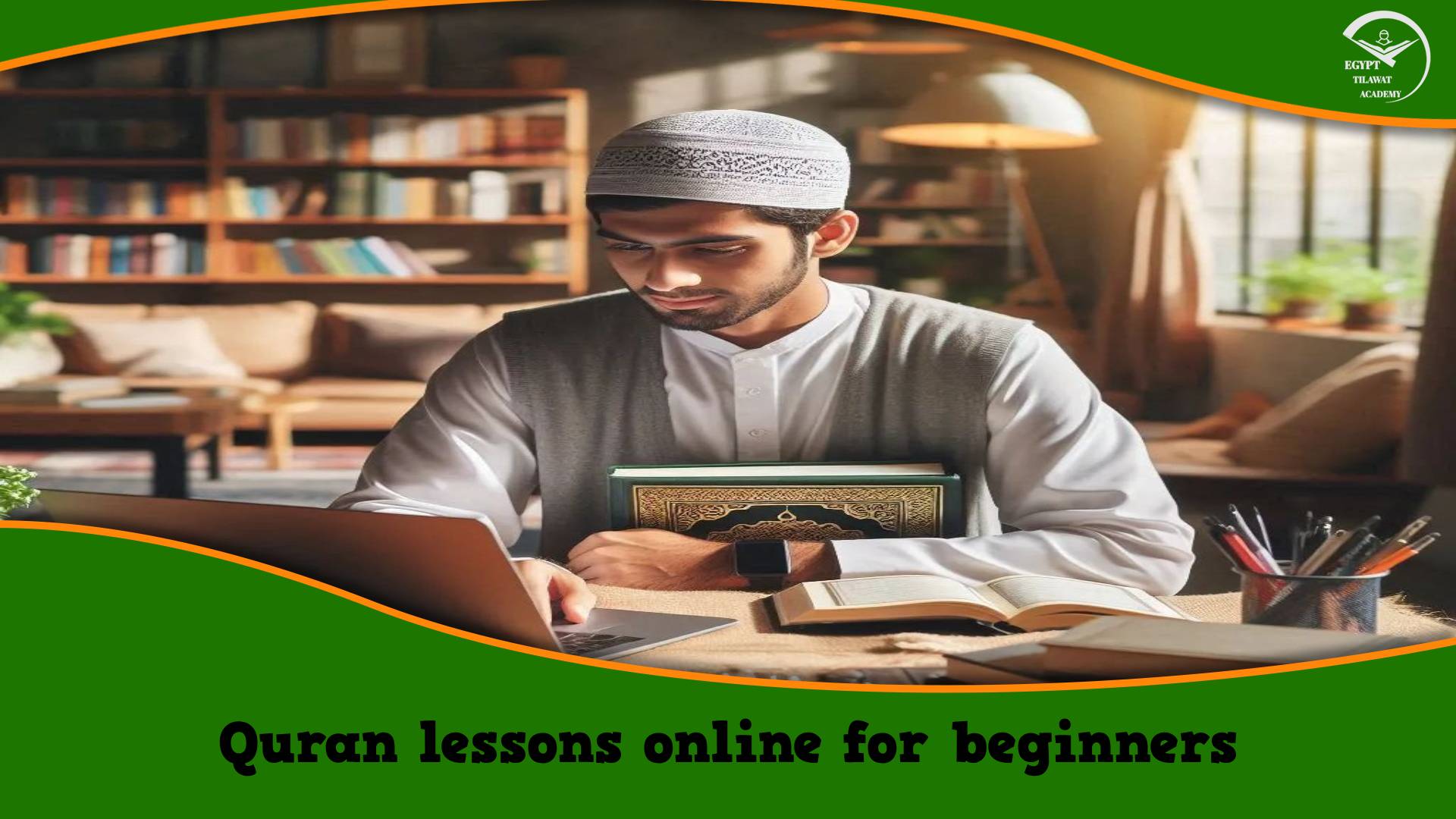
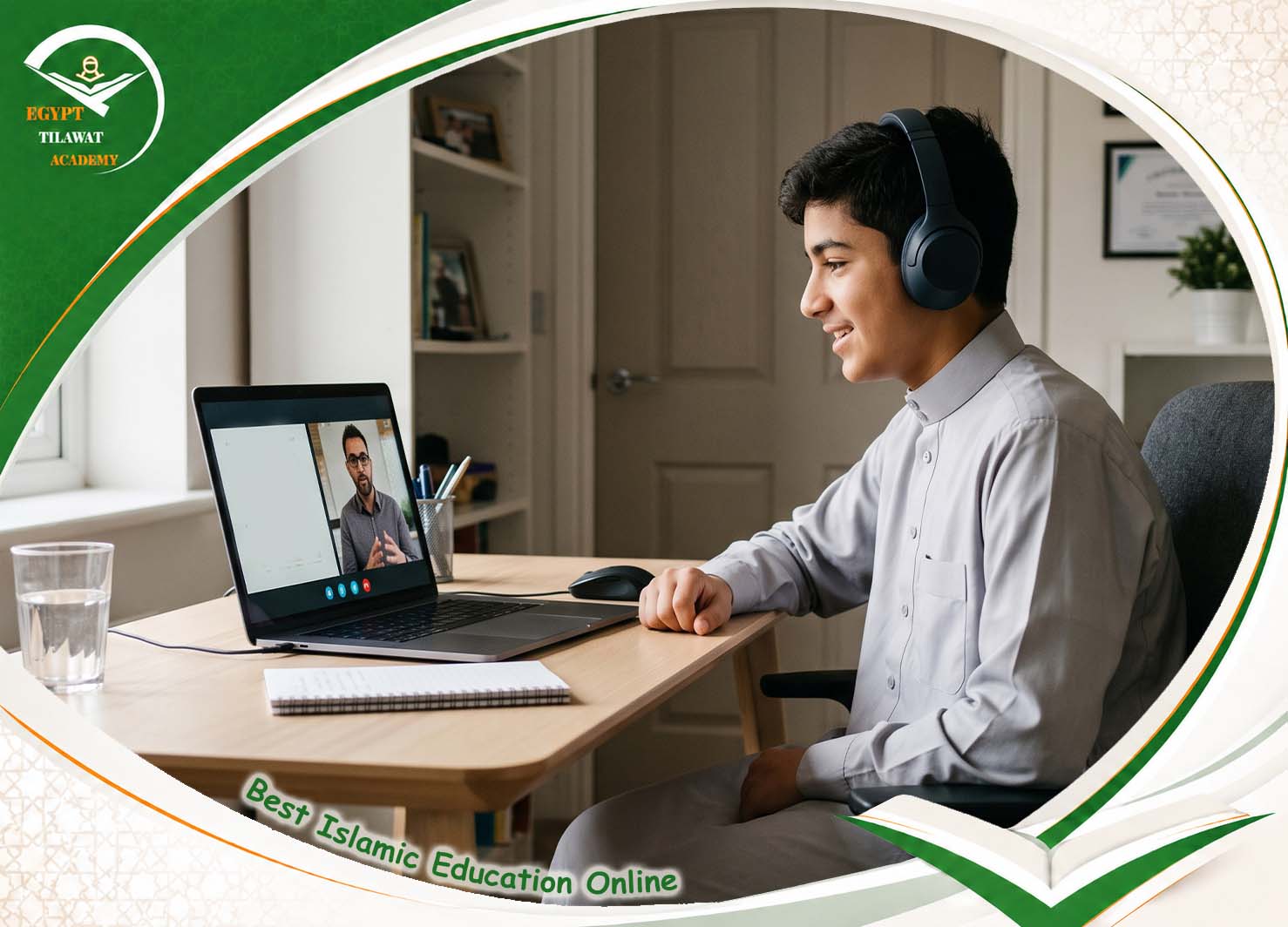
Online learning can help families access Islamic education when local classes are unavailable, travel is difficult, or school schedules leave little free time. However, not every course will suit every child.
Before enrolling, consider the teacher's qualifications, the accuracy of the content, the language of instruction, and how lessons are delivered. A good course should help children understand the Seerah, feel comfortable asking questions, and build a clear foundation in Islamic history.
Age-appropriate lessons and qualified teachers
Children learn differently at different stages. A young beginner may need short stories, repetition, and straightforward explanations. An older child may be ready to study the Prophet's life in chronological order, explore the early Muslim community, and discuss the historical setting of important events.
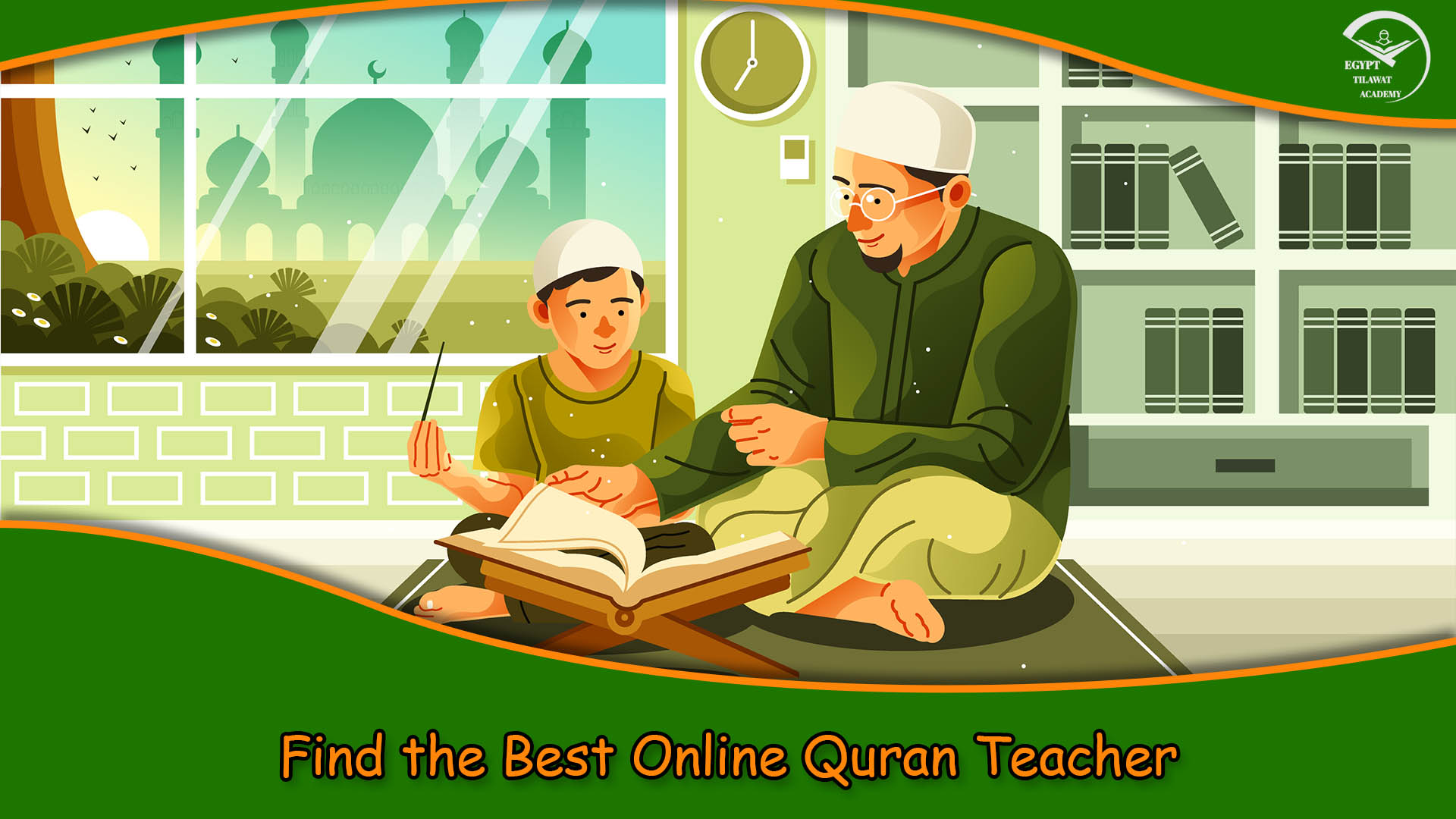
Look for teachers with relevant Islamic studies knowledge and experience teaching children. Ask how they verify their sources and whether they can explain difficult subjects in language your child understands.
A qualified teacher should also create a respectful environment where children can ask questions without embarrassment. Parents should feel comfortable discussing lesson content, learning goals, and any concerns.
English instruction and flexible scheduling
For Muslim families in the US, UK, Canada, and Australia, English instruction can make Islamic history easier for children who do not yet understand Arabic. Arabic terms can still be introduced gradually, with clear explanations of their meanings.
Flexible scheduling is another practical advantage. Look for a timetable that accommodates school hours, family routines, and your local time zone. Ask whether lessons are live, how long they last, and what happens if a session needs to be rescheduled.
Interactive learning and progress tracking
Children are more likely to stay engaged when they can participate rather than listen passively. Depending on the course, useful methods may include questions, story summaries, simple quizzes, timelines, and discussions about Islamic manners.
Ask how the teacher measures progress. A short review, regular feedback, or a clear learning plan can help parents see whether their child is understanding the material.
Before committing to a long course, request details about the curriculum, fees, class format, and trial options. The best Seerah for Kids programme is one that combines reliable Islamic knowledge with patient teaching and realistic expectations.
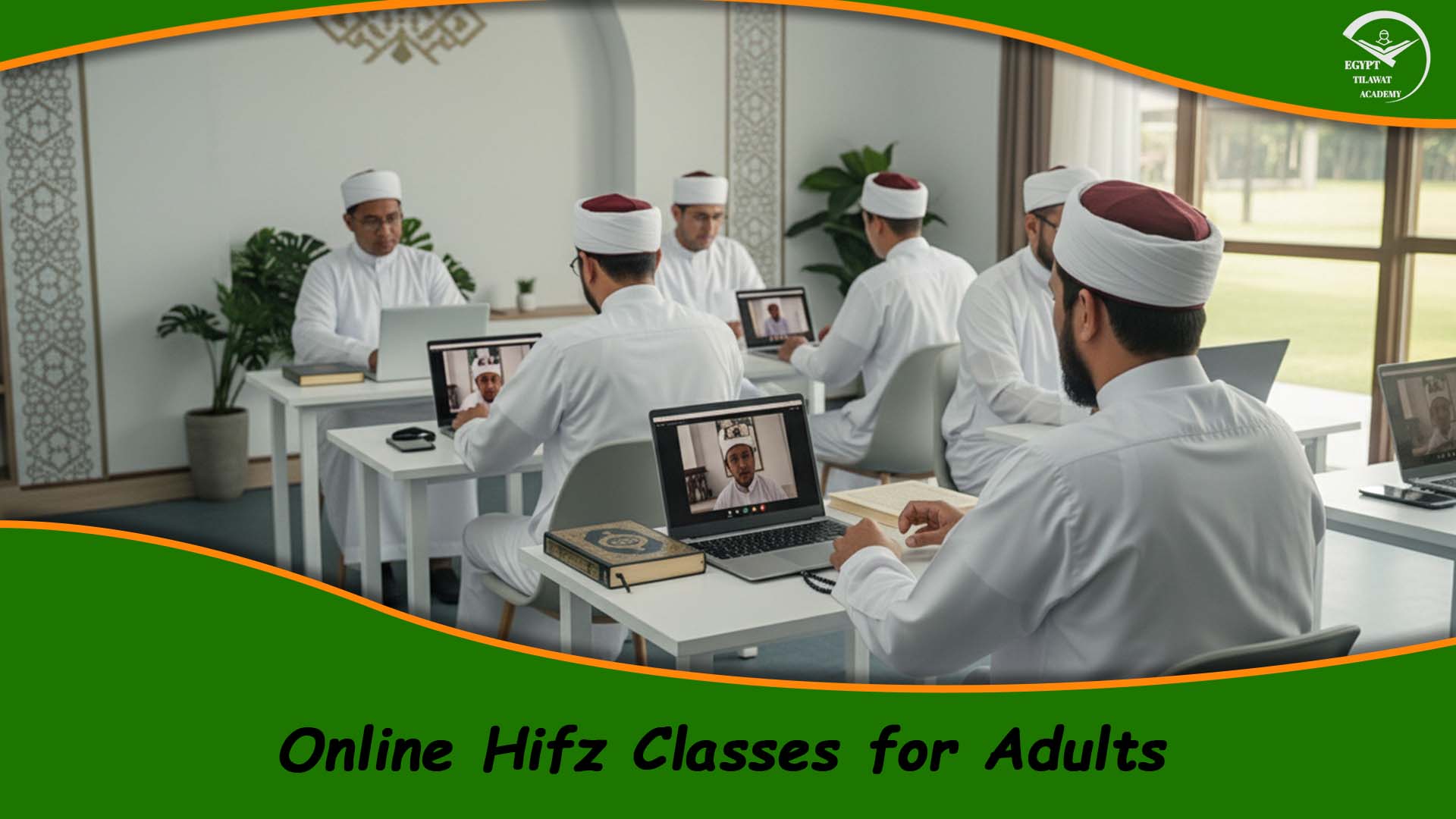
Online Seerah Classes for Kids with Egypt Tilawat Academy
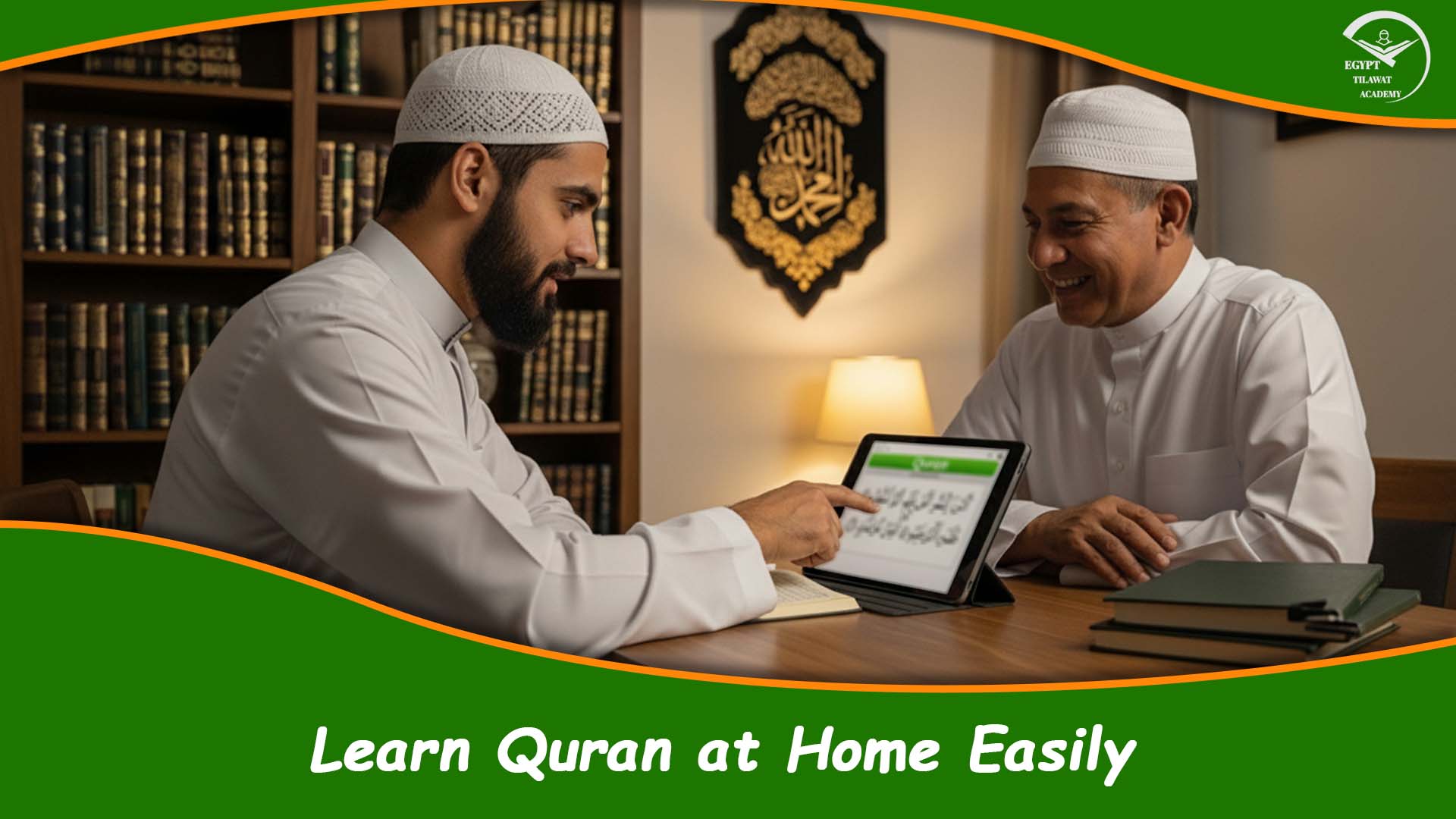
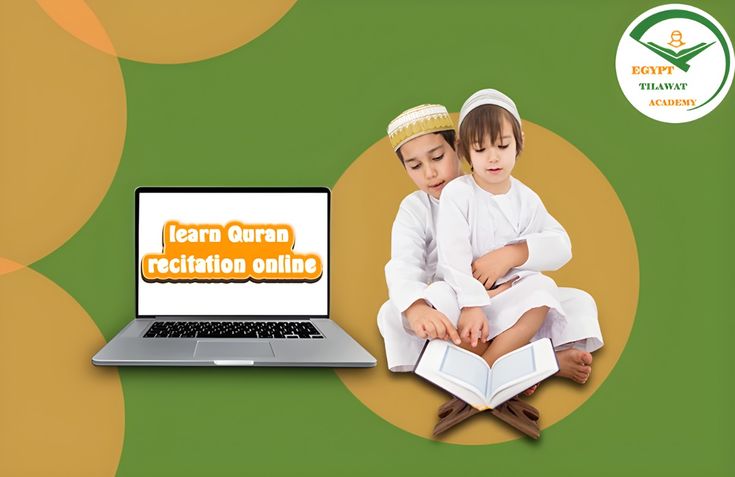
Finding a suitable Islamic learning programme can be difficult when parents want knowledgeable teachers, English explanations, and a schedule that fits family life. Egypt Tilawat Academy is an online learning platform offering Quran education, Arabic language instruction, and Islamic studies for learners from different backgrounds. Its website highlights experienced Egyptian teachers, personalised learning, courses for children, flexible scheduling, and progress tracking.
For families exploring Seerah for Kids, the academy's Islamic studies offering may be a useful starting point. Parents should confirm that Seerah is included in the current course plan and ask for the specific topics covered before enrolling.
Course format, teacher qualifications, and age groups
Egypt Tilawat Academy describes its teaching as personalised, with private lessons and scheduling options designed around students' needs. Its website also states that its teaching team includes qualified Egyptian experts and graduates of Al-Azhar University.
These details can help parents begin evaluating whether the academy suits their child's learning needs. However, the exact Seerah curriculum, teacher assigned to the course, age groups accepted, lesson duration, and availability of English-language Seerah instruction should be confirmed directly with the academy.
Before booking, explain your child's age, current Islamic knowledge, preferred language, and learning goals. Ask whether the teacher uses a structured Seerah curriculum, how stories are presented, and whether children can ask questions during lessons.
Lesson structure and enrollment options
A useful Seerah lesson for children generally introduces one topic, explains the historical background, discusses an important lesson, and ends with a short review. This is a suggested learning structure, not a verified description of every Egypt Tilawat Academy lesson.
The academy advertises a free trial class, flexible learning arrangements, and progress assessment through quizzes, assignments, and personalised feedback.
Parents can use the trial opportunity to discuss their expectations and ask how progress is communicated.
To explore enrollment, visit the official Egypt Tilawat Academy website or its contact page. Ask about current availability, pricing, class arrangements, and whether the academy can provide a Seerah programme that matches your child's needs.
The right learning environment should support a child's understanding of Islam without placing unnecessary pressure on them. Compare the course details carefully before making a decision.
How Can Parents Choose a Seerah Course for Kids?
Choosing a course involves more than finding an attractive website or a convenient timetable. Parents should look for reliable content, clear teaching methods, and a programme that matches their child's stage of development.
Start by checking the curriculum. Does it cover the Prophet's early life, the first revelation, the Hijrah, his character, and the development of the early Muslim community? A well-planned course should connect these events in a clear sequence instead of presenting unrelated stories without context.
Next, consider the teacher. Relevant Islamic knowledge, experience with children, and the ability to explain concepts in accessible English are all valuable. Ask how the teacher handles sensitive questions and whether parents can review the course materials.
It is also worth comparing lesson formats. Some children learn best in one-to-one sessions, where they can ask questions freely. Others enjoy a small group, where they can listen to classmates and discuss ideas together. Choose an arrangement that suits your child's personality and concentration.
Before enrolling, ask these practical questions:
- Is the curriculum based on reliable Seerah sources?
- Are lessons adapted to my child's age and knowledge?
- Can the teacher explain Islamic terms in English?
- How are understanding and progress reviewed?
- What are the class duration, fees, and rescheduling policies?
- Is a trial lesson available?
Finally, observe your child's response after the first few sessions. Do they understand the main points? Do they feel comfortable asking questions? Are they beginning to connect the Prophet's example with everyday behaviour?
A suitable Seerah for Kids course should build understanding and curiosity over time. Parents should look for steady progress, respectful teaching, and a positive relationship with Islamic learning rather than expecting children to memorise every detail immediately.
The Most Important Lessons from the Prophet’s Life for Kids
The greatest value of studying the Prophet Muhammad's ﷺ life is the opportunity to learn from his example. Children can discover that Islamic teachings are not limited to books or classroom discussions. They also guide how Muslims speak, behave, make decisions, and care for others.
Here are some important lessons to reinforce through Seerah for Kids.
1. Tell the truth. The Prophet ﷺ was known for his trustworthiness. Children can practise honesty by admitting mistakes, keeping promises, and speaking truthfully even when they feel nervous.
2. Be patient during difficulties. The Seerah includes many examples of hardship and perseverance. Children can learn that difficulties are part of life and that patience, prayer, and seeking appropriate help can support them through challenging situations.
3. Show mercy and kindness. Children should understand the importance of treating family members, friends, neighbours, and animals with care. Small actions, such as helping someone who is struggling, can reflect good Islamic character.
4. Respect and support others. The Prophet's example teaches Muslims to treat people fairly and value good relationships. Children can apply this lesson by listening carefully, sharing responsibilities, and avoiding hurtful words.
5. Keep learning. Studying the Prophet's life helps children develop an interest in Islamic history and the Quran. They can gradually explore how historical events relate to Islamic beliefs, worship, and the Sunnah.
6. Trust Allah while taking responsible action. Children can learn that faith goes together with making sensible choices, preparing carefully, and doing their best.
Parents should revisit these lessons through everyday conversations. Ask children to choose one quality to practise each week, then discuss what they learned from the experience. This approach makes the Prophet's biography meaningful beyond the classroom.
Frequently Asked Questions About Seerah for Kids
What is Seerah for Kids?
Seerah for Kids is the study of Prophet Muhammad's ﷺ life through age-appropriate stories and lessons. It helps children understand Islamic history and learn values such as honesty, patience, compassion, and respect.
At what age should children start learning Seerah?
Children can begin learning simple Seerah stories in their early years, with the content adapted to their understanding and attention span. Older children can explore historical events, timelines, and more detailed discussions about the Prophet's life.
What are the best Prophet Muhammad stories for kids?
Good starting points include stories about the Prophet's childhood, the first revelation, the Hijrah to Madinah, and his kindness towards others. Choose reliable sources and focus on the historical event and the lesson children can take from it.
Can children learn Seerah online in English?
Yes, children can study Seerah through online Islamic studies classes taught in English. Parents should confirm that the provider offers a structured Seerah curriculum, suitably qualified teachers, and lessons appropriate for their child's age.
Conclusion: Help Your Child Learn the Seerah with Confidence
Teaching children about Prophet Muhammad ﷺ is a meaningful way to strengthen their understanding of Islam and introduce them to examples of good character. Through reliable stories, family discussions, and age-appropriate lessons, children can gradually discover how the Prophet's life offers guidance for everyday situations.
Whether you teach at home or choose an online course, focus on consistency, understanding, and practical application. A supportive teacher and a suitable curriculum can make Islamic history easier for children to appreciate.
Ready to help your child learn more about the Prophet's life? Explore the Islamic studies programmes offered by Egypt Tilawat Academy and ask about its current Seerah learning options. Visit Egypt Tilawat Academy to enquire about a free trial class and find the learning programme that best suits your child.